

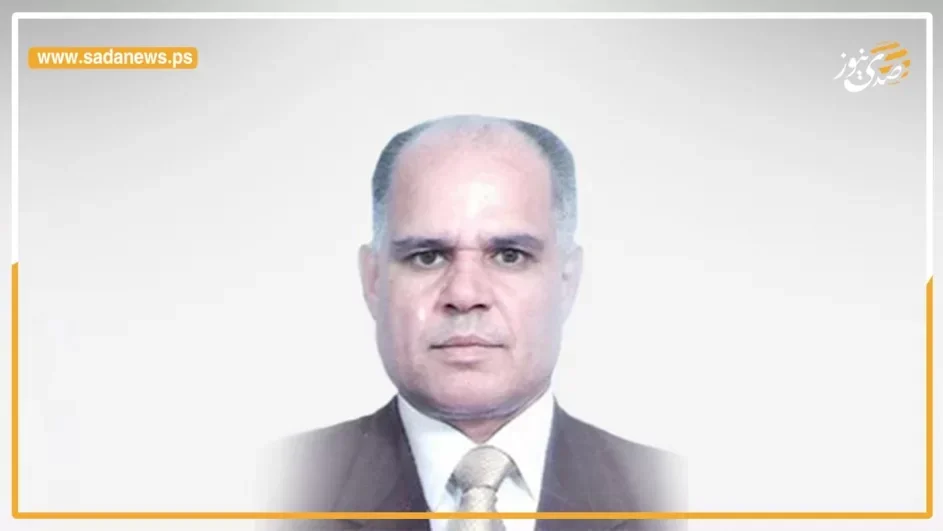
The President's Inner Circle and the Problem of Reforming the Palestinian Political System
We will continue writing about the crisis of the Palestinian political system and our internal situations, not out of neglect for the existential danger represented by the occupation and its terrorist practices, nor for the devastation, death, hunger, and migration threats our people in Gaza face. The situation of our people in the West Bank is not better either. The Trump Initiative represents risks to our national project that are no less than the threat of Israeli genocide; it complements it, despite containing ambiguous words about a Palestinian state. We also do not overlook the international popular changes in favor of the justice of our cause.
However, all this should not make us forget to pay attention to our internal situations, because regardless of how circumstances develop, negatively or positively, there will always be the crucial factor without which there can be no peace in the region and the world: the Palestinian people, who must have a title that everyone can agree on. The absence of this title and the continuation of the schism facilitate the enemy's execution of its plans and allow external parties to intervene in our internal affairs under pretexts of national, Islamist, or humanitarian ideologies. The lack of attention to our internal political situations will leave the cause in the hands of a political class that is ineffective and accused of corruption and that falsely claims to represent the Palestinian people.
It seems that President Abu Mazen, due to his numerous engagements and advancing age, can no longer keep up with everything happening on the national and international fronts or the changes in the direction of national public opinion as he once did. Thus, he relies heavily on his inner circle, among whom are sincere patriots who assess matters according to national interest, but there are also those who gauge matters and act according to their personal interests and external connections, even in their evaluation and perception of the people, including intellectuals, thinkers, and opinion leaders.
This latter group within the president’s inner circle is deeply embedded and influential in the executive and central committees and the authority. They endear the president to their loved ones—relatives, friends, and those they approve of, including hypocrites and opportunists—and they hate or completely ignore relaying news from those who do not flatter them, do not appease them, or criticize their behaviors, even if they agree with the president and his approach.
Thus, there is a gap between the president and the people, especially among opinion holders and the national, sincere intellectuals from the Fatah movement and the general populace.
The problem of the political system lies within this political class and their inner circle, who do not change, do not grow ill, do not retire, do not become obsolete, and do not die unless they are in power. They are a political class that does not err or miscalculate; how could they, since they are the guards and priests of the temple, steadfast on the principles that have become ambiguous to the public!? The sacred cow that has lost its sanctity. This class continues to surround the president so that he sees only what they want him to see and hears only what they whisper to him.
Some may argue that advancing age is not an obstacle to fulfilling major national responsibilities and overseeing the country’s affairs; many world leaders have aged significantly and remain in their posts as matters proceed smoothly in their countries. While this is true, in a state of institutions where matters are stable, and there are solid institutions and a deep state that supports the president, even in their absence from the scene, while there is a rotation of power, where are the institutions of the State of Palestine? What are they? Is there a deep state in the Palestinian context? And who constitutes it?
When we criticized Hamas's method of conducting resistance, we were accused of being against resisting the occupation. This was a deliberate conflation of Hamas with resistance and even with Islam, claiming that anyone who criticizes Hamas is anti-resistance and should not critique resistance while engaged in confrontation with the enemy! We have seen the consequences of Hamas's actions and its failed bets, and we will hear people say it is inappropriate to criticize the official political system while they face threats from Netanyahu and his right-wing government and even from the American administration. Anyone who criticizes the Palestinian leadership will be accused of being against the national project and against the president.
But will silence about what is occurring and allowing the organization, the authority, and the president’s inner circle, even Fatah, to remain as they are pull the national cause out of its stalemate? Can we define Fatah and the Palestine Liberation Organization now, detached from their historic narrative in terms of their principles, foundations, and initial political program? What is their political program and current role in resisting the occupation, whether in the West Bank or Gaza Strip? Why are their positions hesitant and obscure toward Hamas? Why do they hide their corruption and inadequacies by supporting the Al-Aqsa flood and Hamas's resistance while ignoring the suffering of the people of Gaza, as if they are agreeing with Hamas that all Gazans are martyrdom candidates!?
Why is the revival and reform of Fatah dependent on the return of its expelled members? Why is the reform and revival of the Palestine Liberation Organization dependent on the inclusion of Hamas and Islamic Jihad? Why this decay and near-paralysis of these two institutions, leaving them in the hands of certain individuals to manipulate them and speak on their behalf, hiding their corruption and inadequacies by accusing anyone who opposes or criticizes them of betrayal?
And until when will we rely on and submit to the American vision and demands for reforming the authority without a democratic national project for national unity and the reform and revitalization of the state institutions and the organization and Fatah?
We criticize the leadership of the Palestinian state and authority, including the president, because they are the only address for the people at this stage after all bets on alternatives, whether Hamas and its allies or alternative structures and entities that attempted to be established abroad, have failed.
 Follow the latest Sada News via Google News
When Indicators Fail to Narrate the Palestinian Economy

The Tale of a People Who Refused to Believe the Well

What Does the Supreme National Interest Mean for Palestinians? And How Can It Be Achieved?

The Wronged Ramallah

Between Pragmatism and Survival Management: Where Does Hamas Go After the Election of Khal...

Khalil Al-Hayya as President of Hamas.. Continuation of the Founders' Approach

The Annihilation of Sportsmanship
