

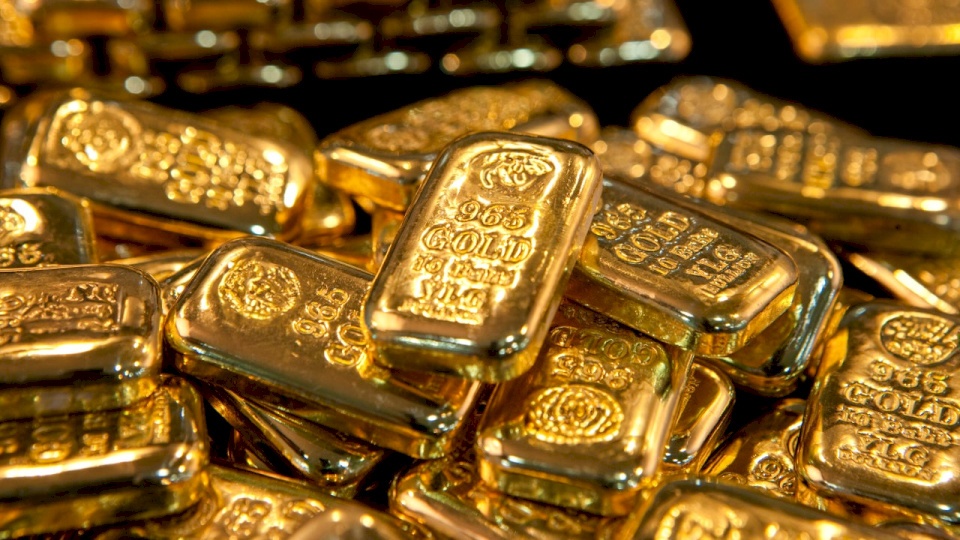
Gold Fluctuates Near $5,000 Amid Escalating War and Rising Oil Prices
SadaNews - Gold prices fluctuated as the war in the Middle East entered its third week, while investors assessed the impact of the dollar's decline against the ongoing threats to global oil supplies.
The precious metal traded around $5,000 per ounce, after falling by as much as 1% before trimming its losses.
Gold stabilized after recording a decline for the second consecutive week, under pressure from rising energy prices and inflationary fears stemming from the war waged by the United States and Israel against Iran.
Crude oil also erased its early gains on Monday, while a dollar performance index declined, contributing to the support of commodities priced in the U.S. currency.
The War Disrupts Market and Economic Expectations
The uncertainty regarding the duration of the war makes it difficult to assess its effects on the markets and the broader economy.
One of U.S. President Donald Trump's aides indicated that the conflict could last between four to six weeks, while both sides sent mixed signals.
Trump noted that Iran wishes to reach an agreement, but the United States seeks better terms, while Tehran stated it had not requested negotiations or a ceasefire.
Over the weekend, the United States attacked a major oil export facility in Iran, while Iran continued its strikes on energy infrastructure across several countries in the Gulf.
Traffic through the Strait of Hormuz, the strategic shipping lane through which typically one-fifth of the world's oil and LNG trade passes, remained nearly halted.
Declining Expectations for Interest Rate Cuts
As the war continues, the chances of cutting interest rates have decreased. The latest consumer spending data in the United States, released on Friday, showed that spending barely rose in January due to weaker-than-expected economic growth, even before the outbreak of the war.
Meanwhile, the U.S. consumer confidence index fell to its lowest level in three months, with increasing concerns in recent weeks about the impact of the conflict on gasoline prices.
Traders now see very slim chances of an interest rate cut at this week's Federal Reserve meeting. Usually, high borrowing costs weigh on precious metals, which do not yield returns.
Kyle Rodda, an analyst at Capital.com, stated that short-term movements in gold appear "mechanical," as the metal reacts to dollar movements and interest rate cut expectations. However, he added that the war could support gold in the long run, as the conflict "undermines confidence in the United States among adversaries and even allies increasingly."
Inflationary Recession Fears Support Prices
Despite the upward momentum halting since the war's onset, the metal remains up about 16% year-to-date.
Concerns about inflationary recession, a combination of slowing growth and rising inflation, may drive investors toward gold as a better store of value in the long run.
However, Rodda pointed out that these positive effects could remain limited if central banks aggressively raise interest rates to control inflation.
Contrary to Expectations: Why Didn't the War Raise Gold Prices?
The price of gold in spot transactions rose by 0.1% to $5,022.02 per ounce at 8:55 AM Singapore time. Silver also increased by 0.8% to $81.23, while both platinum and palladium saw gains. In contrast, the Bloomberg Dollar Spot Index declined by 0.3% after having risen by over 1% the previous week.
 Follow the latest Sada News via Google News
London Stock Exchange Enters the Era of 24/7 Trading

Shamaran Petroleum: Suspension of Oil Production in Duhok Fields in the Kurdistan Region o...

Dollar Steadies Near One-Week High Amid War Developments

Trump Imposes Tariffs on Canadian Imports... Ottawa Vows to Respond

Oil Prices Drop After Reports of Mediation Efforts Between the U.S. and Iran

Gold Price Rises Supported by Increased Buying Amid Lower Prices

Due to "Hazardous and Counterfeit Products".. Europe Fines "AliExpress" $627 Million
