

Organizational Criticisms of the Performance of the Preparatory Committee for the Eighth Fatah Conference and Calls to Correct the Course
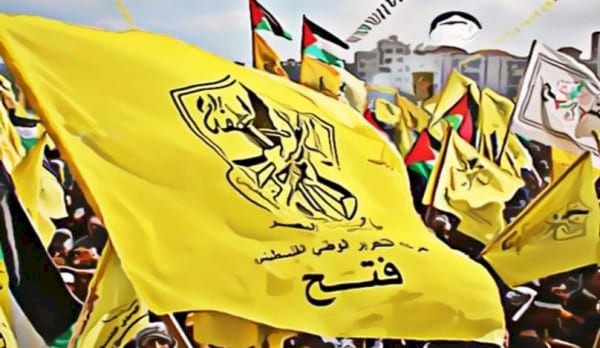
Exclusive to SadaNews: Fatah sources revealed to SadaNews various criticisms directed at the Central Committee and Revolutionary Council of Fatah Movement regarding the performance of the preparatory committee for the eighth conference, warning of the repercussions of what they described as "structural imbalances" that could affect the outcomes of the eighth movement conference, the integrity of representation, and the future of the movement.
According to the sources speaking to "SadaNews", the process of including conference members has been lacking in commitment to clear organizational criteria, with the number of conference members reaching about 2,500 names so far, a figure that is likely to increase under the title of "competencies". They also indicated a lack of reliance on specific selection mechanisms, which weakened the principle of genuine representation. They noted a disruption in organizational balance with the expansion of participation for groups that do not engage in actual organizational work, appointed in non-professional ways, while effective cadres were marginalized, according to what the Fatah sources told SadaNews.
The sources pointed out that criticisms directed at the Central Committee and Revolutionary Council focused on the inclusion of large numbers of employees from the National Authority institutions and security apparatuses. They also pointed out that ministers, ambassadors, and officials were included by their job titles without clear organizational basis.
In a related context, questions were raised about the inclusion of what is known as "movement offices" for ministries, which are not based on elections, as more than 50 names were added in addition to the deputy and the minister, far from any organizational criteria or elections. They also introduced names that are not actually connected to the organizational frameworks from business circles, which could affect the conference outcomes. The sources also criticized the representation mechanisms of certain categories, including engineers, doctors, youth, and women, arguing that they were not based on unified organizational rules, harming significant cadres from popular organizations.
The sources also highlighted what they deem a conflict of interest due to most members of the preparatory committee participating in running for conference bodies alongside exceeding the predetermined number of advisory council members and the continuous expansion of conference membership without a clear ceiling or review mechanisms. They pointed out that some officials imposed names without criteria through the ministries and institutions they head.
The sources indicated that organizational and activist cadres, including former prisoners and field activists, were excluded for not meeting the criteria, while others were included without applying these criteria equally, which reflects – according to the sources – selectivity in application and prejudging the conference results before its convening.
The sources that spoke to SadaNews addressed a malfunction in the organizational process that preceded the conference, especially regarding regional elections, considering that they were not conducted according to sufficiently democratic foundations, which was reflected in the composition of the conference. They also criticized the absence of political and intellectual preparation and the inadequate preparation of programs and work papers, such as the political program or the organizational and national building program.
The sources pointed out that to date, the Revolutionary Council has not convened to discuss these issues, despite assigning some Central Committee members to prepare them, while these matters should ideally be given months of discussion among conference members, whose membership is not yet resolved, which has turned the conference – according to the sources – into an electoral framework rather than a comprehensive review station.
The Fatah sources warned that these issues have led to a decline in the grassroots organizational trust in the decision to hold the conference and the strengthening of the appointment approach at the expense of election, which may exacerbate the gap between leadership and grassroots, especially in light of what they described as dysfunction in appointments within the Authority's institutions led by Prime Ministers and ministers who are not affiliated with Fatah and do not adhere to the movement's decisions.
In response to a query from "SadaNews", a member of the preparatory committee for the conference – who preferred to remain anonymous – explained that ensuring the convening of the conference according to sound organizational foundations requires a series of measures, foremost among them the adoption of transparent criteria for selecting conference members, separating organizational and functional work, and preventing candidates from the preparatory committee to enhance the principle of integrity. He also emphasized the importance of restoring the status of elected organizational frameworks and reviewing the member lists, and appealing them through sessions of the Revolutionary Council that need months, not hours or days, which is time currently unavailable. He called for activating internal oversight mechanisms and restricting membership while simultaneously calling for delaying the convening of the conference to allow room for addressing existing imbalances and correcting the organizational course and pointed out that including the names of ministers, ambassadors, and employees who are not actually members of Fatah was outrageous, indicating that the name of the head of the administrative committee in the Peace Council is included in the conference lists despite contradicting the movement's organizational decision.
The sources confirmed that these observations come within the framework of concern for the future and unity of the Fatah Movement and the enhancement of its national role, ensuring the convening of a conference that reflects the true organizational base and preserves its historical legacy.
 Follow the latest Sada News via Google News
High-level sources reveal to SadaNews: Washington seeks to hold a Gaza Reconstruction Conf...

France Studies Imposing Sanctions on Settlers Involved in Violence Against Palestinians

Sources to "SadaNews": The New Revolutionary Council of Fatah Will Hold Its First Meeting...

85 Members of Congress Urge Trump to Intervene to Halt Colonial Project East of Jerusalem

CNN: Israeli Secret Units Operated from Azerbaijan Against Iran

Sources to 'SadaNews': A Hamas delegation arrives in Cairo on Friday to begin new negotiat...

New Poll Shows Likud Decline and Smotrich's Party Surpassing the Threshold
