
Palestinian Monetary Authority to SadaNews: Over 16 Billion Shekels in Cash Surplus Accumulated in the Palestinian Banking Sector
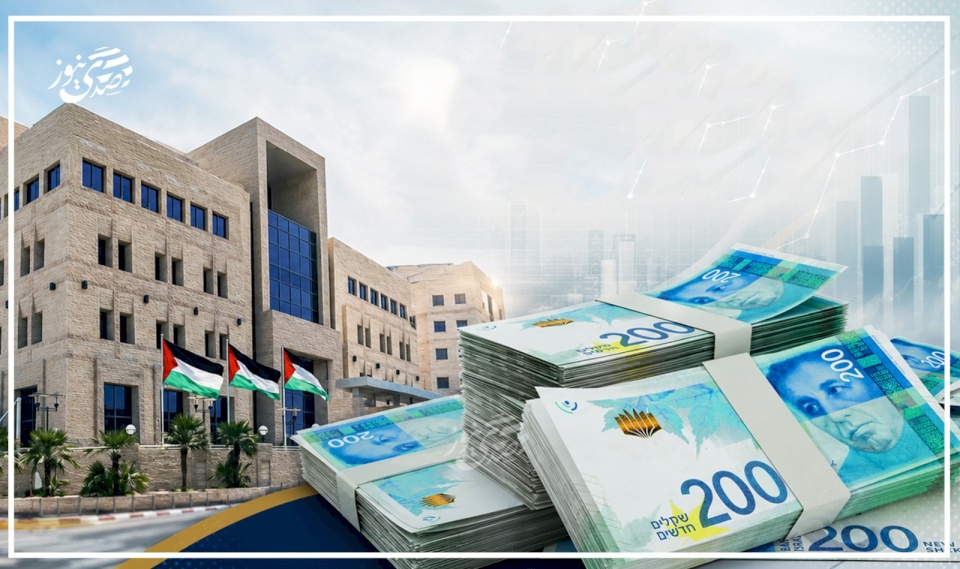
Exclusive to "SadaNews": The Palestinian Monetary Authority announced that the value of the cash surplus in shekels accumulated in the Palestinian banking sector has exceeded (16 billion) shekels, which represents one of the biggest challenges facing the banking sector at present due to the pressures it puts on liquidity management and operational costs associated with storing and circulating cash.
The Monetary Authority stated in exclusive comments to "SadaNews" that it continues to work on enhancing the use of electronic payment methods and developing modern payment systems, in addition to taking regulatory and supervisory measures aimed at reducing reliance on cash and gradually alleviating the effects of this problem.
Previously, the Monetary Authority indicated that the Israeli side imposes obstacles regarding receiving shekels from banks operating in Palestine, as it only receives more than (18 billion) shekels annually, averaging (4.5 billion) shekels, while there is a need to receive around 25-30 billion shekels annually to eliminate the problem of the shekel surplus, which the Israeli side refuses.
In the meantime, the Monetary Authority pointed out that it is currently working on preparing the necessary executive instructions for the implementation of the law to reduce cash use, in coordination with the Ministry of Finance and relevant parties, alongside completing the timeline for implementation to ensure a gradual application that considers the specifics of the Palestinian market and the existing economic situation.
The Monetary Authority emphasized that current efforts are focused on developing the infrastructure for electronic payment systems, enhancing technical and regulatory readiness, and raising awareness and confidence in the use of digital payment methods among various economic sectors and the public.
The effective application of the law is expected to begin after completing the necessary regulatory, technical, and technical requirements.
Regarding the main challenges it faces, the Monetary Authority stated that they consist of the continued refusal of the Israeli side to accept the accumulated cash and absorb the liquidity available in the market, so that various economic sectors can transition to using electronic payment tools and reduce reliance on cash shekels in commercial transactions.
The Monetary Authority indicated that the application of the law would contribute to enhancing financial inclusion, expanding the use of electronic payment methods, reducing the informal economy, and improving the efficiency of the cash cycle, thereby enhancing transparency and efficiency in the Palestinian economy.
The decision pursuant to Law No. (4) of 2026 concerning reducing cash use in Palestine was approved on February 17, 2026, and officially entered into force after its publication in the official gazette on February 25, 2026.
The law prohibits cash payment in transactions that exceed in any case the amount of (30,000) shekels, or its equivalent in the legally circulating currency in the country for each transaction, and the cash ceiling may be amended by a decision from the Monetary Authority after coordinating with the Ministry of Finance.
The draft law originally set the cash transaction ceiling at (20,000 shekels), based on studies and indicators related to the Palestinian banking sector, where 96% of cash deposits in shekels are less than (20,000) shekels, however, the ceiling was raised in response to demands from the private sector.
 Follow the latest Sada News via Google News
Soaring Oil Prices Burn the Pockets of the Palestinian Citizen "The Poor"

Millions of Dollars in Losses.. "SadaNews" Reveals Shocking Figures for Traders from Pales...

The Problem of Shekel Overcrowding Worsens.. Fuel Station Owners Threatened with Closure o...

The Palestinian Economy at a Crossroads: 4 Files Awaiting Resolution

The Monetary Authority Keeps the Discount Rate at 25% of Public Sector Employees' Salaries...
Fuel Crisis in the West Bank: Supply Disruption or Liquidity Shortage?

Government Contact Center Issues Clarifying Statement Regarding the Establishment of a Gov...
