

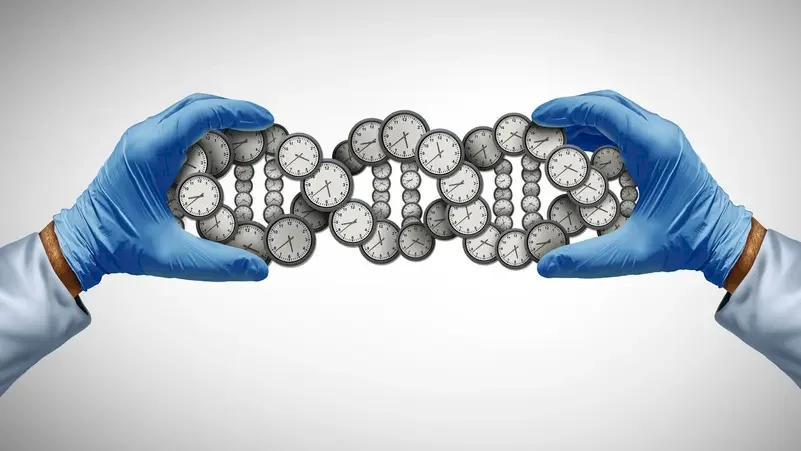
Scientists: Some "Zombie" Cells May Contribute to Lifespan Extension
SadaNews - A growing body of research is changing scientists' perspectives on one of the most studied types of cells in aging biology, specifically senescent cells, often referred to as "zombie cells." While these cells have long been associated with aging and chronic diseases, new evidence suggests that their role in the body is much more complex than previously thought.
According to a report published on Science Daily, a scientific review published in the journal Aging-US, titled "Cellular Aging: From Pathological Mechanisms to Precision Interventions Against Aging," explores how senescent cells contribute to aging throughout the body and why future anti-aging treatments may need a more targeted approach.
The review was led by principal investigator Jian Ding and co-investigator Dong Yang from the Department of Targeted Therapy and Immunology at the West China Cancer Center, Sichuan University.
Senescent Cells
Senescent cells are cells that have permanently stopped dividing. For years, they were widely viewed as harmful byproducts of aging, due to their accumulation over time and the release of inflammatory molecules that can damage surrounding tissues.
However, researchers are now recognizing that senescent cells are not always harmful. In some cases, they perform important functions, including supporting wound healing, aiding in embryonic development, and contributing to the maintenance of normal tissue balance.
This increasing understanding is reshaping scientists' views on aging and related diseases.
The Impact of Aging on Various Organs
This study reviews the evolution of cellular aging in several major organs and tissues, including the liver, lungs, kidneys, heart, adipose tissue, brain, and skin.
In these systems, cellular damage associated with aging may result from a variety of factors, including oxidative stress, mitochondrial dysfunction, DNA damage, chronic inflammation, metabolic stress, telomere shortening, and exposure to environmental factors such as UV radiation and pollution.
Over time, senescent cells accumulate in specialized cell types throughout the body, including liver cells, endothelial cells, fibroblasts, macrophages, astrocytes, and epithelial cells. As their numbers increase, they can alter tissue structure and contribute to the development and exacerbation of chronic diseases.
The Importance of Context
One of the main focuses of this scientific review is that senescent cells are highly diverse. Instead of functioning as a homogeneous group, they can behave quite differently depending on the tissue and surrounding biological conditions.
Some senescent cells may help prevent excessive scarring or support tissue repair, while others promote chronic inflammation, metabolic disorders, tissue degradation, and even cancer development. Due to these differences, researchers are increasingly moving away from the idea that all senescent cells need to be eliminated.
Precision Therapeutic Strategies
The realization that senescent cells have both beneficial and harmful effects has led to a significant shift in anti-aging research towards more precise therapeutic strategies. Early senolytic drugs, including dasatinib, quercetin, and fisetin, were developed to destroy senescent cells by disabling the pathways that help them survive.
Newer methods are constantly evolving. Researchers are exploring highly targeted immunotherapies, including engineered CAR-T cells designed to recognize markers present on senescent cells.
Other experimental treatments, known as anti-aging therapies, aim to reduce the harmful inflammatory signals produced by senescent cells without eliminating the cells themselves. These emerging strategies reflect a broader effort to intervene more accurately in the aging process.
The Future of Longevity Research
The concept of "precision protection against aging" is one of the key themes discussed in this review. Rather than removing all senescent cells, this approach seeks to identify and remove clusters of cells that contribute to disease only, while preserving senescent cells that continue to support tissue maintenance and repair.
To achieve this goal, researchers are increasingly relying on advanced techniques such as single-cell genomics, lineage tracing, and spatial analysis. These tools can help scientists gain a better understanding of the many subtypes of senescent cells and identify safer therapeutic targets. At the same time, significant challenges remain before these treatments can be widely applicable to patients.
As research continues to reveal the diverse roles these cells play throughout the body, future therapies may be able to promote healthy aging by targeting disease-causing cells while preserving those that contribute to tissue health and recovery.
 Follow the latest Sada News via Google News
Goodbye to Cavities.. A New Gel That Rebuilds Tooth Enamel

UNESCO Officially Lists the Tunisian Village of "Sidi Bou Said" as a World Heritage Site

Morning Chaos of Choosing Clothes.. Is the "Capsule Wardrobe" the Solution?

Joshua defeats Brinjar by knockout and approaches a fight with Fury

After a Century of Unity.. Discovery of an Unknown Relative of a Rare Plant in Oman

Can you be healthy while obese?

Opening of the National Festival for Theater.. Esaad Younes dedicates her honor to Samir G...
