

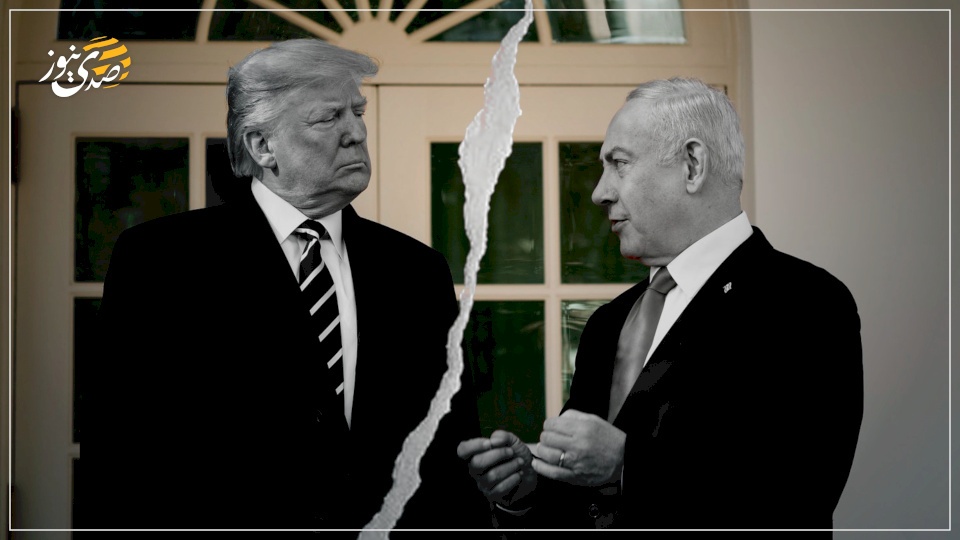
Newsweek: Has Trump Lost Control Over Netanyahu?
SadaNews: Newsweek magazine believes that the growing discussion about disagreements between U.S. President Donald Trump and Israeli Prime Minister Benjamin Netanyahu does not necessarily indicate a collapse of their alliance, but reflects differing priorities and political and military objectives amid the ongoing war against Iran and its allies in the region.
A report by Tom O'Connor notes that the tension between the two men has become more apparent in recent months, especially after Trump repeatedly urged Netanyahu to avoid escalation that could undermine ongoing negotiations between Washington and Tehran.
The U.S. President also confirmed that a heated argument occurred between them due to Israel's insistence on continuing its military operations in Lebanon, which Iran considers one of the sensitive battlefields in any potential understanding with the United States.
According to the report, the Israeli airstrikes on sites in southern Beirut and the subsequent direct Iranian response prompted Trump to ask his Israeli ally to exercise restraint, but these calls did not receive a complete response, highlighting clear divergences in crisis management.
Strategic Consensus Amid Tactical Differences
However, analysts and former officials warn against overstating these disagreements as indicators of a political rift. Dan Rothman, a researcher at the "Israeli Policy Forum," states that the relationship between Trump and Netanyahu has proven time and time again to be more cohesive than many observers believe, explaining that the two sides often differ tactically but remain aligned on major strategic goals.
Rothman asserts that any U.S. president holds significant leverage over Israel, whether through military support or political and diplomatic backing, but the real question, as he puts it, is not whether Trump can exert this influence, but whether he sees its use as serving his political and strategic interests.
The report reviews previous moments of tension between the two leaders, including controversies related to the war in the Gaza Strip. Trump entered his second term pushing for a ceasefire with the Islamic Resistance Movement (Hamas) but did not strongly oppose the resumption of Israeli military operations after stalled negotiations.
However, the Iranian issue remains the most complicated. The U.S. President, despite his engagement in negotiations with Tehran, did not oppose the extensive Israeli military campaign against Iran, and the U.S. itself previously participated in targeting fortified Iranian nuclear facilities.
Diverging Interests
Former American diplomat Dennis Ross believes that the disagreement between the two men is genuine and reflects a divergence in interests. Trump focuses on ending the war, reopening the Strait of Hormuz, and ensuring that Iran does not acquire nuclear weapons under terms he deems practical and implementable, while Netanyahu pursues much broader objectives.
According to Ross, Netanyahu wants the complete dismantling of the Iranian nuclear infrastructure and to prevent its future reconstruction, as well as to weaken Iran's ballistic missile and drone arsenal and its network of regional allies linked to Tehran. Therefore, Netanyahu believes that the war must continue to inflict more strategic damage on Iran.
On the other hand, Daniel Shapiro, the former U.S. ambassador to Israel, sees that the interests of the two countries have begun to diverge since the war broke out. Washington is now more concerned with ending the conflict, securing navigation in the Strait of Hormuz, and gaining advantages related to Iran's nuclear program, while Netanyahu prefers to continue military operations and not to rely on any agreement with Tehran.
Political Risks
Nevertheless, Shapiro stresses that the final decision regarding the end of the war will remain in Trump's hands, and that Netanyahu will ultimately find himself compelled to adapt to the American direction, regardless of his reservations.
Newsweek points out that Netanyahu faces increasing political risks as a result of this divergence. He has built much of his political image on presenting himself as the guarantor of Israel's security and as having the strongest relationship with Trump. However, continued disagreements could weaken both of these assets as the upcoming electoral deadlines approach.
Conversely, analysts believe that the future of the relationship between the two sides may largely depend on Iran's own behavior. If the war continues, it is likely that U.S.-Israeli coordination will remain in place. However, if U.S.-Iranian negotiations succeed in achieving real progress, that could turn into the biggest test facing the relationship between Trump and Netanyahu in years.
 Follow the latest Sada News via Google News
Boy injured by occupation fire during the storming of Qalandia camp

Behind the Suspension of Strikes on Iran: A Recommendation from the Commander of CENTCOM t...

Occupation hands over the body of the martyr Sufyan Abu Leil after holding it for 4 months

Israeli President Talks with King of Bahrain About Regional Developments

Israeli Cabinet Approves the Entry of the "Peace Council" and International Forces into Ga...

Katz Signals Expansion of Camps Evacuation Model to Other Areas in the West Bank

Progress in Iran-Oman Talks on Managing the Strait of Hormuz
