

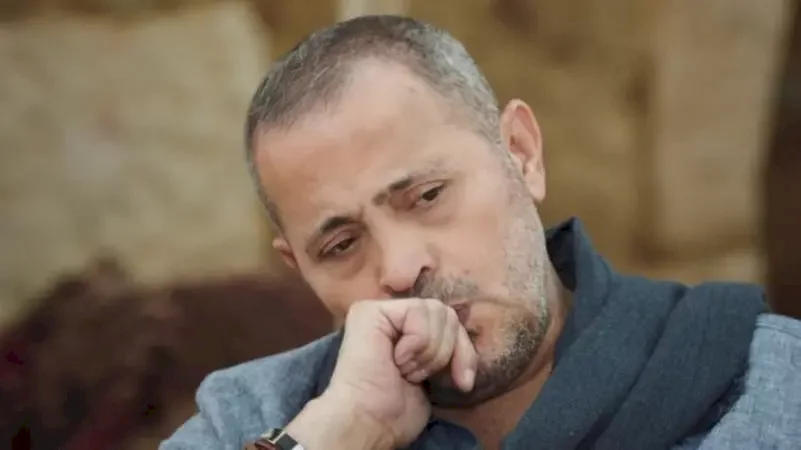
George Wassouf: The Pain of Losing a Son Does Not Fade.. and Fairouz's Message Lightened My Burden
SadaNews - Artist George Wassouf revealed details of the most difficult periods of his life, talking about the passing of his son Wadih, the moments surrounding his funeral, and how this loss impacted him, alongside the happiness brought by the birth of his grandson who carries the same name.
A Great Tragedy
Wassouf described in his interview with the "Mna w Finna" podcast hosted by Heba Hayder on "Al-Mashhad" channel, the death of his son as "a great tragedy," confirming that Wadih was not just his son, but his closest friend and companion in his later years. He said: "May God have mercy on him, losing him was one of the greatest trials I have faced; he was my son, my friend, and the closest person to me, and I took him with me everywhere."
He also recalled the details of his son’s funeral, explaining that he urged his fans to refrain from shooting during the funeral proceedings, for fear of causing more victims. He added that he posted a video message stating: "If you love me, do not shoot, for Wadih has passed, and we do not want to lose another person," pointing out that his audience responded to this plea and adhered to it.
He mentioned that the most enduring solace after that ordeal was prayer, affirming that the pain of losing a child does not fade with time.
Wassouf confirmed that the birth of his grandson brought joy to the family, especially after naming him "Little Wadih," considering this step filled the family with much meaning and human emotion.
He noted that naming his grandson after Wadih fulfilled a wish he held onto since his son’s death, explaining that he had hoped for one of his children to have a child named after him, which indeed materialized years later.
He said that this moment felt like a remedy for his heart, as the presence of his grandson with the same name restored many emotions and memories to the family, affirming that the departure of his son still leaves a profound mark on him despite the passing time.
Wadih passed away in January 2023 at the age of 39, and his death came as a great shock.
A Message in the Handwriting of Fairouz
In the episode, the 64-year-old artist talked about one of the moments that eased the weight of his son's loss, noting that he received a condolence message in the handwriting of artist Fairouz after the death, a message he still cherishes today as one of his most valued possessions.
He explained that the message arrived via a mail carrier, and he did not expect it. It contained words of comfort that left a significant impact on him during that time, affirming that it was not just a condolence message, but a humanitarian gesture he still remembers to this day.
Wassouf stated that he decided to keep the message in a small safe containing items belonging to his late son, including personal belongings, considering it has acquired significant moral value for him.
The Syrian artist also spoke about his relationship with Fairouz, recalling a meeting they had years ago, stating that the visit was at her request, describing the encounter as simple and warm, far from any formal atmosphere.
Wassouf, who is nicknamed the "Sultan of Tarab," said he never considered presenting Fairouz's works, as her songs are so tightly linked to her artistic persona that it's difficult to re-present them. He affirmed that each artist has their unique imprint, and her exceptional mark made him refrain from approaching her musical legacy.
He also recalled some memories shared with the late musician Malhim Barakat, discussing the nature of their relationship over the years, revealing that their last meeting was just days before Barakat’s passing.
In the course of his discussion, Wassouf pointed out that his artistic journey has seen many instances where he stood by several artists in their beginnings, emphasizing that supporting others was never something he sought to announce, but a behavior stemming from his personal convictions.
At the end of his talk, Wassouf directed a message to the new generation of singers, including Nasif Zeytoun and Al-Shami, urging them not to rely solely on talent, affirming that the artist's continuity also depends on their humility and how they interact with people, as love and respect are what keep their impact alive among their audience.
Wassouf recalled behind-the-scenes moments from some of the highlights of his artistic career, discussing the circumstances that preceded the release of the songs "Kalam Al-Nas" and "Half Al-Qamar," and how they evolved over time into two of the most prominent songs in his career.
He affirmed that his connection with his audience was the most important factor in his persistence in the musical arena, noting that many of his works have transcended their time of release and have become part of listeners' memories and personal experiences.
He added that standing on stage remains one of the moments that gives him the enthusiasm to continue singing, noting that the audience's interaction with his songs makes him feel they are still present in the souls of people, which drives him to continue presenting new works.
On the artistic front, George Wassouf is preparing to hold a concert as part of the 40th edition of the Jerash Festival for Culture and Arts in Jordan.
He is also continuing preparations for a new song titled "Tamanni Ahalibayb," which revives his collaboration with Egyptian composer Salah Sharnoobi after years of works they produced together, including "Kalam Al-Nas" and "Bayain Al-Hawa."
Source: Al Jazeera
 Follow the latest Sada News via Google News
George Wassouf: The Pain of Losing a Son Does Not Fade.. and Fairouz's Message Lightened M...

7 Alerts Place the 2026 World Cup Under the Scrutiny of Betting Integrity

"Google" tests "Selfie" video for account recovery

Wildfires Force NASA to Evacuate Major Site in Spain

SpaceX Launches Starship Rocket and Deploys First Developed Satellites from Starlink

A Self-Confident Person Does Not Interrupt Others to Prove Their Point of View.. Psycholog...

Not Just Folk Remedies... 8 Home Treatments Supported by Science
