

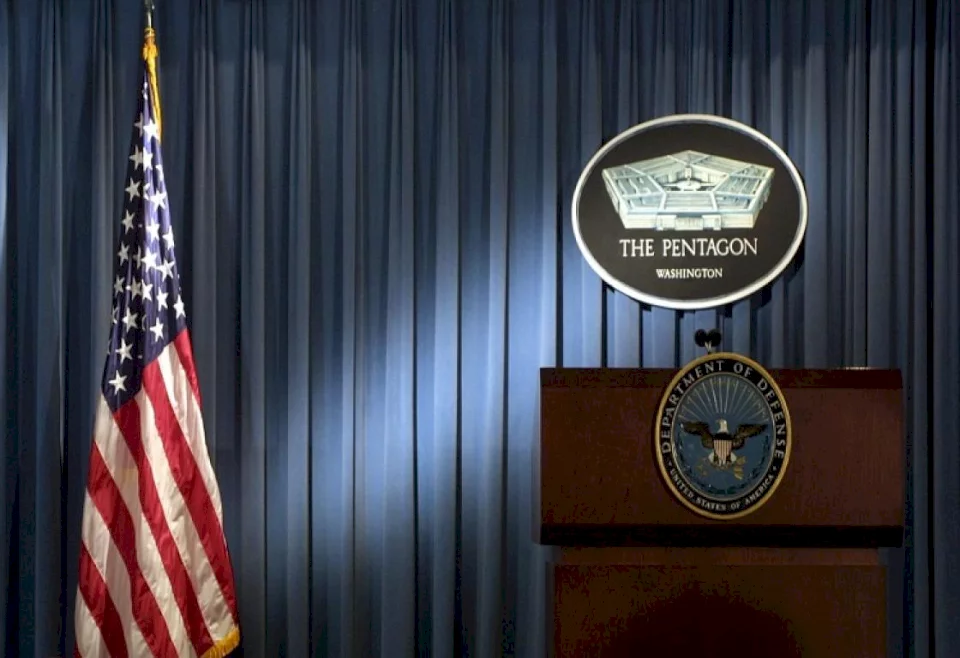
Pentagon Accused of Concealing U.S. Military Losses in War
SadaNews - An article in The Guardian addressed a widely debated issue within the United States, concerning accusations against the U.S. Department of Defense (Pentagon) of deliberately implementing a policy to restrict information related to the human losses incurred by the U.S. military in the war with Iran.
David Smith's article in the newspaper was based on interviews with former officials, national security experts, and organizations concerned with press freedom, alongside the Pentagon's responses denying any attempts to conceal information.
The author opened his piece with statements from Defense Secretary and former CIA Director Leon Panetta, who described the Pentagon's handling of casualty information as "disgraceful," considering that there is a deliberate effort to withhold information from the American public.
Panetta stated that it is the government's duty to inform citizens of the true costs of the wars the country is fighting, noting that during the wars in Iraq and Afghanistan, war secretaries held regular press conferences to update the media and the public on military operations and human losses.
However, the Department of Defense - as the article points out - has not held any press conferences for about two and a half months, which critics consider an indicator of a fundamental shift in communication policy with the media, especially since the department is accused of limiting the dissemination of information related to the war, fearing that it would lead to a rise in public anger as the midterm elections approach.
The article explains that the war has entered a more complicated phase after the collapse of the fragile ceasefire between the United States and Iran and the resumption of daily military strikes between them, increasing fears of the conflict turning into a lengthy and costly war, in contradiction to President Donald Trump's pledges during his election campaign to avoid "endless wars."
The report detailed figures concerning human losses, noting that 18 American soldiers were killed, and hundreds of others were injured, emphasizing that the announcement of these figures came late, after the Pentagon later acknowledged them through social media.
A report that appeared on the Pentagon's website sparked controversy after it discussed different figures for the death toll, before the department attributed it to "a temporary data glitch," although former officials and experts believe that the issue is not merely administrative errors but reflects a political strategy aimed at minimizing media coverage of human losses.
Some argue that the administration recognizes that combining the economic cost of war, rising fuel prices, inflation, and human losses may increase the decline in public support for the war and affect its political future.
The article allocated significant space to discuss the tense relationship between the Pentagon and the media since Trump's return to power, noting that the Department of Defense has taken a series of actions, which journalists and press freedom organizations deemed unprecedented, including excluding some major media outlets from its headquarters in the Pentagon and granting greater privileges to media outlets described as closer to the administration.
Additionally, the department imposed additional restrictions on journalists' movement within the building, requiring them to be accompanied by official staff, before later announcing that some media offices had become areas that journalists were not allowed to enter.
The article cites the opinions of officials from organizations concerned with press freedom, who believe that the level of restrictions imposed on the media within the Pentagon is unprecedented in recent decades, even during major wars such as the Gulf War and the war in Afghanistan, emphasizing that what is happening represents a significant regression in the level of government transparency.
The report compared the early weeks of the war, when War Secretary Pete Hegseth consistently appeared at press conferences and confidently spoke about the success of military operations, to the current phase in which his media presence has diminished and his verbal attacks have notably increased, coinciding with a surge in criticism directed at the war.
Experts quoted by the newspaper believe that the lack of regular official communication often reflects field difficulties or a lack of a clear vision for the war's trajectory, as governments usually become more reserved in providing information when they are not confident in the outcomes of military operations or their political implications.
The article also addresses the economic cost of the war, stating that spending on it has reached tens of billions of dollars, at a time when the administration faces increasing criticism in Congress due to its ongoing requests for additional funding without presenting a clear strategy to end the conflict.
From another perspective, the article relayed opinions from former national security officials who believe that the current administration has started to view the media, as well as Congress and public opinion, as political adversaries rather than entities deserving access to information related to the war, which they argue explains the tightening restrictions on the flow of information.
Conversely, the report includes a response from the Pentagon, which categorically denies any attempt to downplay or conceal the extent of losses, asserting that the department and the U.S. Central Command provide continuous updates on military operations, and that the president and the secretary of defense provide information directly to citizens through official statements and digital platforms.
The article concludes by stating that the decrease in press conferences does not mean the cessation of journalistic work, as military correspondents continue to rely on their private sources for information. It quotes Leon Panetta as believing that attempts to limit information may delay the emergence of the truth, but will not ultimately prevent it, as journalism will continue to seek the facts, regardless of the imposed restrictions, affirming that "the truth always comes out in the end."
 Follow the latest Sada News via Google News
Pentagon Accused of Concealing U.S. Military Losses in War

Kuwait Denies Allegations of Its Involvement in Operations Against Iran

Israeli Media: Government Meeting Moved to a "Safe Location" Due to Tensions with Iran

ضباط بجيش الاحتلال: المستوى السياسي بدعم اعتداءات المستوطنين بالضفة

Settler Outburst and Accelerating Escalation in the West Bank Amid Warnings of an Imminent...

American Report Reveals the Depth of Arab Disagreements on Managing the Crisis with Iran a...

Report Reveals Reasons Behind Washington's Freeze on Escalation Against Iran
