

Expectations of a Delay in European Interest Rate Hike Amid War Risk Preparedness
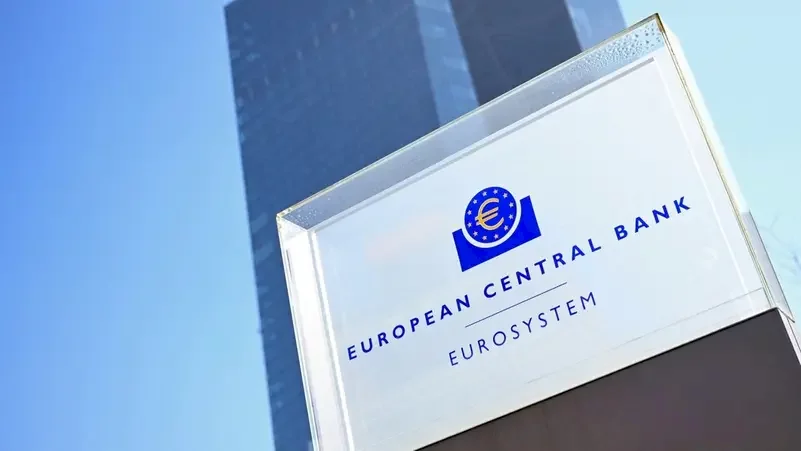
SadaNews Economy - The European Central Bank is expected to postpone the interest rate hike for the second time next week, while keeping this option open for the September meeting.
After raising borrowing costs in June following a spike in energy prices, monetary policy officials initially expressed confidence that peace negotiations between Washington and Tehran would mitigate the conflict's impact on consumer prices in the Eurozone.
However, renewed fighting and uncertainties regarding shipping routes through the Strait of Hormuz have brought them back to square one, according to Greek Central Bank Governor Yannis Stournaras.
It is unlikely that the data released since the June meeting will prompt European Central Bank officials to act immediately on Thursday. Oil and gas prices are close to the baseline levels established by policymakers last month, and inflation has slowed more than expected. The bank's upcoming lending survey on Tuesday is also not expected to significantly alter the picture.
This gives monetary policy officials time to assess developments over the summer. President Christine Lagarde may point to the abundance of data expected before the September meeting, including two additional inflation reports, second-quarter economic growth readings, and several business surveys.
The first of this data will arrive on Friday, when S&P Global publishes its monthly Purchasing Managers' Index (PMI) survey. In June, the composite index for the Eurozone rose to exactly 50 points, the threshold between growth and contraction.
Investors and economists are likely to believe that the new data will ultimately persuade the European Central Bank's Governing Council to continue tightening monetary policy in its anticipated decision on September 10.
Robin Sigura Caiola, an economist at Bank of America, stated: "If we see a significant deterioration in economic activity data from now until the September meeting, that may increase the motivation to keep interest rates unchanged, as long as energy prices do not rise sharply. However, nothing suggests that activity will deteriorate significantly."
Regarding Bloomberg Economics' view: "We expect the European Central Bank to keep borrowing costs unchanged in July before raising them for the last time in September. The increasingly tightening credit conditions will add to factors that limit the inflationary effect of the energy shock, such as the limited subsequent effects of the energy shock, preventing the need for a greater increase in interest rates."
On another note, purchasing managers' indexes from around the world are expected to be released, along with new UK Prime Minister and Chancellor of the Exchequer taking office, as well as inflation data from Japan, Britain, and Mexico. Additionally, 12 interest rate decisions worldwide are anticipated, with expected hikes in Indonesia and South Africa, and possible cuts in Russia and Hungary.
 Follow the latest Sada News via Google News
Israel Increases Gas Supplies to Egypt by 26% to Reach 1.2 Billion Cubic Feet Per Day

Expectations of a Delay in European Interest Rate Hike Amid War Risk Preparedness

Oil Jumps 4% to Record Highest Level in Over a Month

Oil Prices Rise as Brent Hits $85.28 a Barrel

Gold Heads for Largest Weekly Loss in a Month and a Half

Oil Rises Amidst Rising Tensions in Hormuz and Renewed Supply Fears

US Legislation Threatens Major Buyers of Russian Energy with 100% Tariffs
