

30 grams a day makes a difference.. How does fiber protect you from serious diseases?
SadaNews - Medical studies indicate that dietary fiber is one of the most important components of a healthy diet, due to its role in supporting digestive health, regulating blood sugar levels, and reducing the risk of heart disease and certain types of cancer.
Fiber is a type of carbohydrate that the body cannot digest. While most carbohydrates are broken down into sugar molecules called glucose, fiber passes through the body without digestion. Fiber helps regulate the body's use of sugars, which helps control hunger and blood sugar levels.
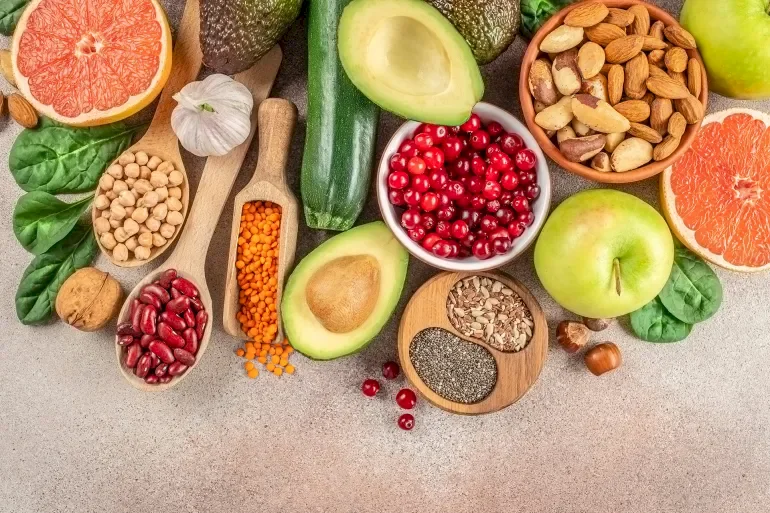
Children and adults need at least 25 to 35 grams of fiber daily to maintain good health, but most Americans, for example, only consume about 15 grams per day. Some of the best sources of fiber include whole grains, whole fruits and vegetables, legumes, and nuts.
The German website Apotheken.de, the official portal for pharmacists in Germany, stated that regular fiber intake offers a range of important health benefits, especially when included in a balanced diet.
Dietary fiber nourishes the beneficial bacteria in the gut, helping to maintain the balance of the gut microbiome. It also absorbs water and increases the bulk of stool, facilitating bowel movements and preventing constipation. Research indicates that gut health does not only affect digestion but is also linked to immune functions and overall health.
Helping with weight control
Eating fiber-rich foods helps you feel full longer, as they slow down the process of emptying the stomach. This reduces the desire to eat between meals, potentially supporting weight control without the need for strict diets.
Regulating blood sugar levels
Fiber slows the absorption of sugar into the bloodstream, reducing the rapid spikes in glucose levels. According to studies published by the World Health Organization, a fiber-rich diet may help reduce the risk of type 2 diabetes, especially in individuals who have insulin resistance.
Supporting heart health
Soluble fiber binds with bile acids in the intestines and helps eliminate them, contributing to lowering harmful cholesterol levels in the blood.
The American Heart Association indicates that fiber-rich diets are associated with a reduced risk of heart and vascular disease.
Preventing certain types of cancer
Epidemiological studies show that adequate fiber intake may reduce the risk of colon and rectal cancer, and some research suggests a potential protective effect against breast cancer.
The recommended daily amount
The German Nutrition Society recommends that adults consume about 30 grams of dietary fiber daily at a minimum. However, many do not reach this amount due to reliance on low-fiber processed foods.
Key sources of fiber
Fiber can be obtained from a wide variety of natural foods, including:
Fruits: such as apples, bananas, berries, and avocados.
Vegetables: such as broccoli, carrots, spinach, and sweet potatoes.
Whole grains: such as oats, whole wheat bread, and brown rice.
Legumes: such as lentils, chickpeas, beans, and peas.
Nuts and seeds: such as almonds, chia seeds, and flaxseeds.
Nutrition experts recommend gradually increasing fiber intake while drinking adequate amounts of water to avoid gastrointestinal disturbances and to maximize its health benefits.
Source: German + websites.
 Follow the latest Sada News via Google News
After Deschamps' Departure... Zinedine Zidane Tops the Candidates to Lead France

Mbappe Surpasses Messi and Becomes the All-Time Top Scorer in the World Cup

England Defeats France and Achieves Largest World Cup Achievement Since 1966

Messi Refused to Play for Spain and Missed 3 World Cups

Publishers Sue Google for Allegedly Using Books to Train Artificial Intelligence

Google Expands Capabilities of Google Search Console to Support Social Media Accounts

The Mediterranean Table... An Ancient Diet Revealing Its New Secrets for Health and Longev...
