

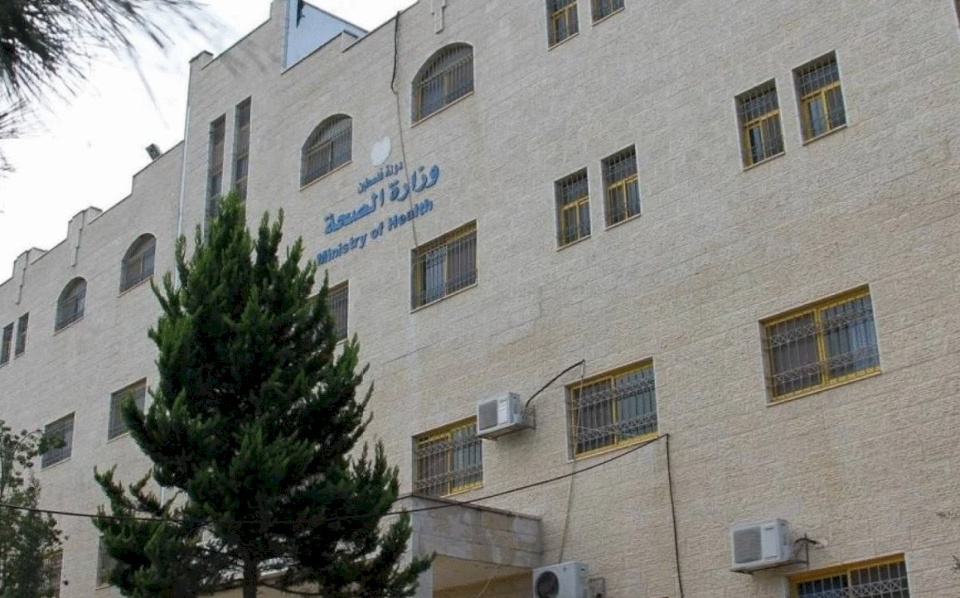
Ministry of Health: Lives of Thousands of Patients at Risk and Urgent Appeals for International Intervention
SadaNews: The Ministry of Health has warned about the accelerating crisis regarding medications, medical supplies, and laboratory stocks, confirming that more than a third of the items listed on the essential medicine list have zero stock, and that hundreds of items have stock levels below the emergency demand threshold.
The ministry emphasized in a press release today, Wednesday, that the lives of more than 4,000 cancer patients and thousands of dialysis patients are endangered due to the shortage of medications.
Continuous Government Efforts and Urgent International Appeals
The Ministry of Health confirmed that the Palestinian government is making relentless efforts around the clock to prevent the collapse of health services, despite the extraordinary financial conditions it is facing, by managing available resources with the highest efficiency, prioritizing urgent and essential health needs, and securing what can be secured in terms of medications, consumables, and health services to maintain the continuity of care for citizens.
At the same time, the Ministry of Health called upon the international community, humanitarian organizations, and friendly and fraternal countries to intervene urgently to pressure for the release of the withheld Palestinian tax revenues (clearance funds) and to provide necessary support for the Palestinian health sector, to avoid the collapse of basic health services and the resulting serious humanitarian repercussions affecting the lives of thousands of patients, especially those with chronic diseases, cancer, kidney failure, and critical conditions. The ministry also called for obliging Israel to fulfill its responsibilities in light of international law and the obligations imposed on the occupying power towards the people under occupation.
Shortage of Cancer Medications
Data from the Ministry of Health indicates that the financial crisis has weakened the government's ability to pay the dues owed to pharmaceutical companies, due to the full withholding of Palestinian tax revenues (clearance funds) by the occupation for the past 15 months, which constitutes about 68% of the Ministry of Finance's revenues, leading to slow or halted delivery of medications, severe shortages in chronic disease medications, cancer treatments, and intensive care, and an imbalance in the strategic stock of medicines.
The number of drug items from the essential medicines list that have reached zero stock is about 180 items, out of 520 essential items provided by the Ministry of Health, while regarding cancer medications, the number of items that recorded zero stock is 50 out of 97 items available from the ministry.
Shortage of Dialysis Filters and Surgical Threads
The central warehouses have witnessed a severe shortage of several vital specialized consumables, most notably dialysis filters, which are an essential component that cannot be dispensed with during dialysis sessions.
There is also a severe shortage of surgical threads, especially the delicate types used in sensitive surgeries, such as heart surgeries and specialized operations, which has reflected on the readiness of operating rooms, in addition to a shortage of cardiac catheterization materials, including catheters and stents, which has led to the postponement of some interventional procedures.
79 Laboratory Items with Zero Stock
Data from laboratory supply warehouses indicate a rise in the number of critical items and zero stock levels, as well as a continuous gap between supply and consumption.
The number of laboratory items that have recorded zero stock is 79 items provided by the Ministry of Health.
265 Specialized Medical Consumables with Zero Stock
The Ministry of Health indicated that 265 specialized medical consumables reached zero stock, out of the total items.
Postponed Surgeries
According to ministry data, about 65,000 major and minor surgeries were performed in government hospitals during 2025, while the number of surgeries performed from the beginning of 2026 until June 1, 2026, reached about 19,500 surgeries.
In contrast, the number of programmed surgeries that were postponed and not performed due to shortages of consumables and strikes has exceeded 11,000 operations due to the increasing shortage of medical supplies, surgical threads, and materials necessary for surgeries, in addition to the repercussions of the crippling financial crisis that has overshadowed the performance of health institutions and the accompanying reduction of working hours and strikes, which has directly reflected on the operational capacity of hospitals and the speed with which patients can access the required surgical services.
In addition to tens of thousands of chronic patients and walk-in patients being deprived of receiving primary healthcare services and specialized clinic services in government hospitals.
The Catastrophic Health Conditions in Gaza
The ministry noted that the current crisis coincides with the ongoing health and humanitarian catastrophe in the Gaza Strip, where health facilities are facing a severe shortage of medications, medical consumables, fuel, and life-saving supplies, amidst widespread destruction of hospitals and health centers and the continuous depletion of medical staff.
The ministry confirmed that health needs in the Gaza Strip are rising at an unprecedented rate, while the health system suffers from a severe shortage of capabilities and resources, which amplifies the responsibility on Palestinian health institutions and necessitates urgent international action to ensure a sustainable and unobstructed flow of medical and humanitarian supplies.
Accumulated Debt Pressures Suppliers and Service Providers
The ministry also clarified that the worsening financial crisis and the rising level of debt owed to the Ministry of Health place pharmaceutical companies, suppliers, and healthcare service providers under significant financial pressures, directly affecting their ability to continue supplying and providing the required services, with the ministry's debt amounting to 3.8 billion shekels, of which 1.3 billion shekels is owed to suppliers of medications and medical consumables.
It added that suppliers and pharmaceutical companies are a key partner in the sustainability of the Palestinian health system, yet the prolonged financial crisis has put these institutions in critical financial situations, affecting medical supply chains and consequently impacting the health sector as a whole, making it more challenging to maintain strategic stocks of medications and medical consumables.
The ministry reiterated that the continued withholding of Palestinian clearance funds not only threatens the government's ability to meet its financial commitments but also jeopardizes the stability and sustainability of the entire health sector, including national institutions and companies that are partners in providing health services to citizens.
Urgent Appeal to Donors
The Ministry of Health urged donors to urgently provide life-saving medications, estimated at 50 million dollars sufficient for one year, in addition to critically important medications worth another 50 million dollars, along with the other necessary medications and consumables, to continue providing medical and health services to citizens.
The ministry also called on donors to provide as much financial support as possible to cover the salaries of the ministry's employees urgently, amounting to 60 million shekels monthly, and to provide emergency support to assist pharmaceutical companies and service providers from the public and private sectors, alongside contributions to settling the debts of the private sector, to preserve the healthcare sector, prevent its collapse, and ensure the continuation of health services for Palestinian citizens.
 Follow the latest Sada News via Google News
Morocco Hosts Formative Exercise for International Stabilization Force in Gaza

Sheikh Holds Meeting with Security Leaders to Follow Up on Current Developments

Hebrew Channels: The Likelihood of Israel's Participation in the Attack on Iran is Increas...

Netherlands Sets September Deadline for Ban on Settlement Products

12 Martyrs in Gaza Strip since Dawn Today

A Series of Important Decisions Taken.. The Cabinet Discusses Developments in the Deterior...

Organizations of the Temple Prepare for the Largest Raid on Al-Aqsa on What is Called the...
