

3 Scenarios.. How Will Insurance Companies Be Affected in Case of a US Attack on Iran?
SadaNews - Babak Tafasooli, Chief Political and Credit Risk Analyst at Scor, said in a post on "LinkedIn" that a US attack on Iran is now the most likely scenario following the steps Washington has taken to bolster its military presence in the region recently.
Tafasooli noted what he described as the largest mobilization since the invasion of Iraq in 2003, saying that the extent of the deployment indicates more than mere deterrence, writing, "You cannot mobilize such force just for show."
He outlined three potential scenarios, each with very different implications for insurance companies.
Strike Followed by Agreement
The baseline scenario suggests that the United States will carry out targeted strikes on missile production facilities, nuclear assets, and the infrastructure of the Iranian Revolutionary Guard.
The aim is to establish clear dominance in the event of escalation and to compel Tehran to return to the negotiating table.
In this scenario, insurance will cover material damage in Israel, particularly in major urban centers such as Tel Aviv, Haifa, Ashdod, and Netanya.
Tafasooli noted that there would also be an increased exposure to damages including ports and energy infrastructure.
Commercial credit losses would be limited, and a widespread decline in credit or political risk is not expected under this scenario.
Mobilization Without Attack
In this scenario, Tafasooli stated that the mere strengthening of American military power is enough to pressure Tehran into negotiations.
Here, the threat of using force, rather than its actual use, prevents any military confrontation.
As a result, the insurance industry would incur no material losses, and the geopolitical tensions would have no significant negative impact on financial or operational aspects.
Prolonged Campaign
Tafasooli said that the least likely scenario, but the most dangerous, involves a prolonged military campaign by the United States lasting several weeks. The operations would include strikes on Iranian oil export facilities, potentially targeting the leadership of the regime, with the aim of maximizing leverage before any diplomatic agreement.
He added that the insurance implications in this case would be wider-ranging damages to Israeli property and broader commercial credit risks.
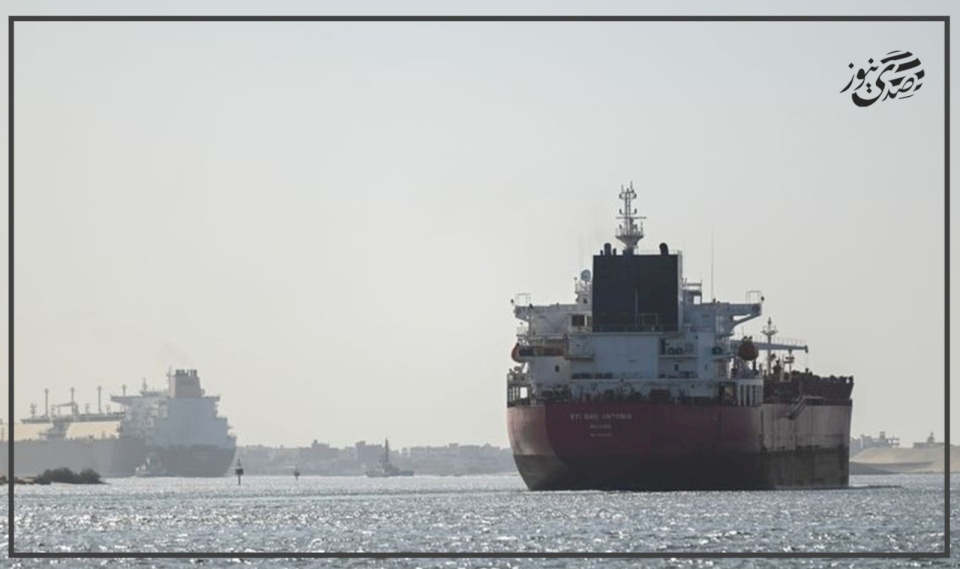
The risks of maritime shipping incidents would increase significantly, especially for non-Chinese vessels unrelated to China. The closure of the Strait of Hormuz could push oil prices to $150 a barrel, increasing credit pressures on oil-importing economies.
 Follow the latest Sada News via Google News
The World Bank Warns: "The Worst-Case Scenario" for Global Growth is Approaching

Trump Prepares to Impose New Tariffs on Dozens of Economies

Gold Surpasses $4,100 as Selling Pressure Eases

Oil Rises for the Fourth Day as Supply Risks Escalate

An Additional $8 Billion.. A New Account from the Pentagon on the Cost of the War with Ira...

London Stock Exchange Enters the Era of 24/7 Trading

Shamaran Petroleum: Suspension of Oil Production in Duhok Fields in the Kurdistan Region o...
