

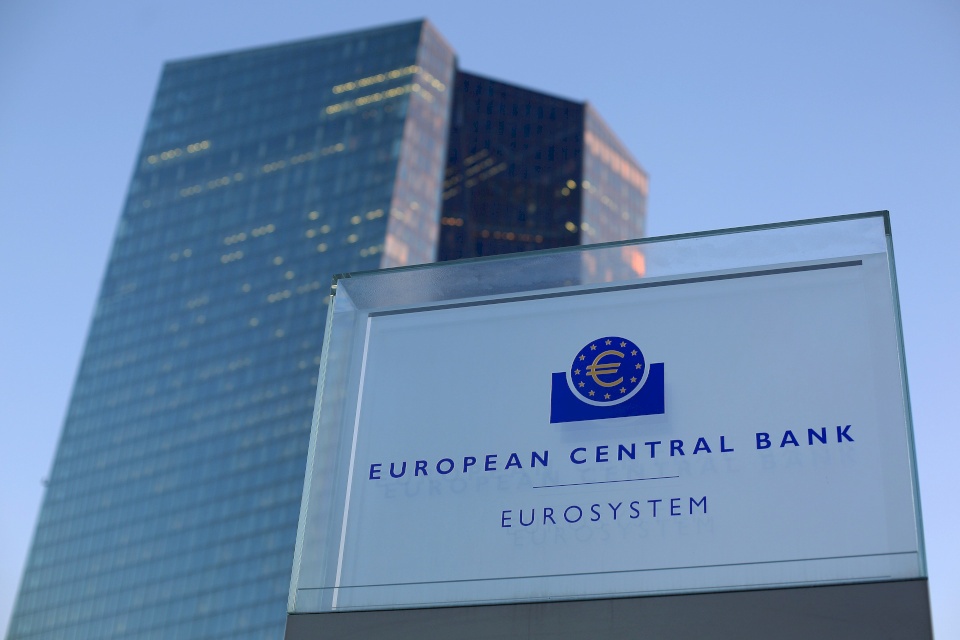
European Bank for Reconstruction and Development Cuts Growth Forecasts for 2026
SadaNews - On Wednesday, the European Bank for Reconstruction and Development (EBRD) projected a slowdown in economic growth this year in several emerging markets due to the sharp rise in energy prices and supply chain disruptions caused by the Middle East conflict.
The economies of the 41 countries covered by the development finance institution are expected to grow by 3.1% this year, which is below expectations, 0.5 percentage points lower than anticipated in February.
The bank noted a slowdown in growth in key countries including Turkey and Ukraine. However, the biggest adjustments to its forecasts issued in February came for Lebanon and Iraq, where it cut forecasts by six percentage points for Lebanon and 5.1 percentage points for Iraq.
The economies of both countries are expected to contract this year, by 2% in Lebanon and 1.5% in Iraq.
Beata Javorcik, chief economist at the European Bank for Reconstruction and Development, told Reuters: "This report is a story about the continuing energy shock."
She added, "It occurred at a moment that was challenging for Europe, a moment when sentiment was weak in the European manufacturing sector."
Last year, the economies of the EBRD region grew at a faster-than-expected rate of 3.4%, adapting quickly to tariff and trade disruptions.
The inflation rate rose by 1.2 percentage points between February and April, reaching an average of 6.4%, and the bank warned that any further increases in food prices - should high fertilizer costs affect crops - would have a clearer impact on the low-income economies of the EBRD.
It also warned that rising borrowing costs mean that inflation increases are no longer reducing debt-to-GDP ratios as they did after the COVID-19 pandemic.
This year's energy price increases remain below the surge that followed Russia's war against Ukraine in 2022, but European gas prices are still about five times higher than in the United States.
The report indicates that this is already leading to a shift in exports away from energy-intensive sectors, while exports related to artificial intelligence from EBRD-affiliated regions are growing at a faster pace.
Nearly two-thirds of EBRD economies and about a quarter of global economies have taken at least one action to conserve energy or support consumers in response to rising energy prices.
Javorcik warned that canceling or reducing fuel taxes "destroys the incentive for people to cut back on consumption, which could exacerbate shortages in the future."
 Follow the latest Sada News via Google News
London Stock Exchange Enters the Era of 24/7 Trading

Shamaran Petroleum: Suspension of Oil Production in Duhok Fields in the Kurdistan Region o...

Dollar Steadies Near One-Week High Amid War Developments

Trump Imposes Tariffs on Canadian Imports... Ottawa Vows to Respond

Oil Prices Drop After Reports of Mediation Efforts Between the U.S. and Iran

Gold Price Rises Supported by Increased Buying Amid Lower Prices

Due to "Hazardous and Counterfeit Products".. Europe Fines "AliExpress" $627 Million
