

America Proposes New Tariffs of No Less Than 10% on 60 Countries
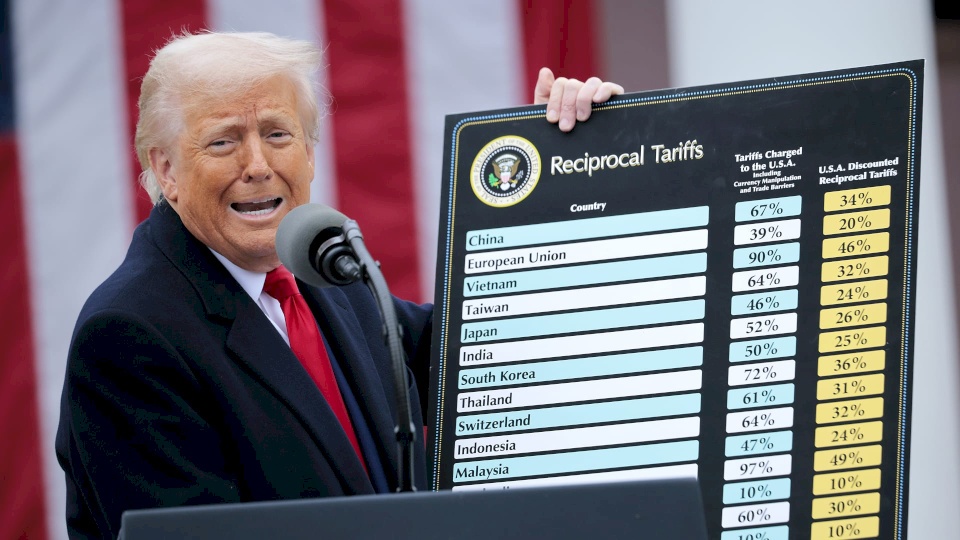
SadaNews - The United States is proposing new tariffs of no less than 10% on imports from about 60 of its main trading partners, following an investigation into goods allegedly produced using forced labor, as part of President Donald Trump's efforts to revive the tariff file that was annulled by the U.S. Supreme Court.
The new tariffs may apply to imports from Canada, Mexico, the European Union, Taiwan, and the United Kingdom, as well as other countries and regions, according to a statement from the Office of the U.S. Trade Representative.
In contrast, goods imported from other major economies, including China, India, Japan, South Korea, Brazil, and Switzerland, will be subjected to a tariff rate of 12.5%.
Standard for Benefiting from Minimum Tariffs
The U.S. Trade Representative's office explained that the minimum (10% tariff) will be imposed on goods from countries that prohibit the import of products linked to forced labor or have committed to enforcing such restrictions. Countries that "have failed to effectively enforce these measures" will be subject to a higher tariff rate.
This step represents a main station in Trump's efforts to revive the bilateral tariffs imposed during his first year in office before they were deemed unconstitutional.
The proposed tariffs result from investigations launched under a legal authority known as "Section 301" of the Trade Act of 1974.
These tariffs will not take effect immediately, as they will be subject to a review period and public comment before implementation, which may lead to adjustments before they are finally approved.
According to the notice, the deadline for written comments is July 6, with the "Section 301" committee to begin public hearings on July 7.
Greer: Protecting the American Worker First
U.S. Trade Representative Jamieson Greer stated, "It is unacceptable that our leading trading partners have failed to address the import of goods produced using forced labor. This creates a situation that forces American workers to compete globally in an environment lacking level playing fields." He added, "We will no longer accept the continuation of this disparity."
This step will test the tolerance of America's largest economic partners, who have largely refrained from responding equally to Trump's tariffs, instead opting to negotiate agreements to lower tariffs and ensure market access. Investigations related to forced labor are just one aspect of the administration's efforts to reinstate Trump's tariffs.
The administration is conducting separate investigations under "Section 301" regarding the excess manufacturing capacity of the U.S. trade partners.
The proposed tariff system includes several exemptions. Clothing and textile imports from certain countries will enter the U.S. at reduced tariffs, while quotas will be set based on the volume of U.S. textile exports to those countries.
Wide Exemptions for Food Products from Tariffs
Other products will also be completely exempt from tariffs, including beef, tomatoes, bananas, coffee, orange juice, and other food items. The metals sector, which is already subject to other tariffs, along with some fuels and chemicals, will also be exempted.
Trump's broad trade agenda suffered a severe blow in February when the Supreme Court invalidated the tariffs he imposed using emergency powers.
The investigation conducted under "Section 301" regarding forced labor practices initially targeted about 60 economies worldwide.
Tariffs imposed under "Section 301" are considered legally more appropriate and flexible compared to other mechanisms Trump sought to utilize, although they take longer to implement.
As a temporary measure to bridge the gap, the president also imposed global tariffs of 10% under "Section 122" of the Trade Act, but these tariffs will expire in July.
Tariffs imposed under "Section 122" are also facing legal challenges that are still ongoing in the judiciary.
Greer stated that the goal is to complete a series of trade investigations, allowing Trump to impose new tariffs rapidly once the current measures expire.
Questions about the Stability of the Trade Truce with China
These moves raise questions about the stability of the trade truce with China following the summit between Trump and Chinese President Xi Jinping in May, which resulted in both sides agreeing to establish new councils for trade and investment to manage the relationship between the world's two largest economies.
More broadly, these tariffs come at a highly sensitive time for the global economy, amid concerns dominating financial markets due to the war with Iran and its resultant sharp rise in oil and gas prices.
Rising energy prices have fueled new fears regarding inflation and have increased concerns in the U.S. related to rising living costs among voters, which could pose a threat to Trump's Republican Party in the upcoming midterm elections scheduled for November.
 Follow the latest Sada News via Google News
London Stock Exchange Enters the Era of 24/7 Trading

Shamaran Petroleum: Suspension of Oil Production in Duhok Fields in the Kurdistan Region o...

Dollar Steadies Near One-Week High Amid War Developments

Trump Imposes Tariffs on Canadian Imports... Ottawa Vows to Respond

Oil Prices Drop After Reports of Mediation Efforts Between the U.S. and Iran

Gold Price Rises Supported by Increased Buying Amid Lower Prices

Due to "Hazardous and Counterfeit Products".. Europe Fines "AliExpress" $627 Million
