

What Are the Signs of Fiber Deficiency in Your Diet?
SadaNews - Dietary fiber plays a crucial role in supporting digestive health and regulating blood sugar and cholesterol levels, and it contributes to the prevention of several chronic diseases. However, many people do not get the recommended daily amount without realizing it.
A report published by the "Verywell Health" website highlights the main signs that may indicate a fiber deficiency in your diet.
1. You Suffer from Frequent Constipation
There are two types of fiber: soluble and insoluble. Both support the digestion process, but insoluble fiber, in particular, helps increase stool bulk and prevent constipation. Whole grains, wheat bran, and vegetables are good sources of this type of fiber.
People who do not consume enough fiber may suffer from intermittent constipation. It is important to gradually increase fiber intake, as a rapid increase may lead to additional digestive issues.
It is also recommended to drink enough water when increasing fiber intake; proper hydration helps fiber perform its role effectively and reduces the risk of constipation.
2. Your Diet is Full of Processed Foods
Many people rely on processed foods in their diet, which are often not a good source of fiber.
Emma M. Ling, Ph.D. in Nutrition, Clinical Professor, and Director of the Nutrition Science Program at the University of Georgia, told "Verywell" via email: "Choosing a whole fruit or vegetable as a snack is a simple and effective choice if you are trying to increase fiber in your day."
Fruits and vegetables contain a significant amount of fiber in their skin, which is often removed during processing.
For example, a medium-sized baked potato with skin contains 3 grams of fiber, while a serving of packaged potato chips contains only 1 gram. A medium-sized apple with skin contains 4.8 grams of fiber, whereas a serving of packaged applesauce contains only 1 gram of fiber.
3. You Have Elevated Blood Sugar and Cholesterol Levels
Fiber plays an important role in regulating blood sugar levels and preventing diabetes.
Ling said: "Eating enough fiber can slow the speed at which glucose enters the bloodstream after digestion. Fiber-rich foods are digested and absorbed at a slower rate, reducing the rapid spike in blood sugar after a carbohydrate-rich meal."
Soluble fiber, found in nuts, peas, and some fruits and vegetables, also helps lower LDL cholesterol, also known as "bad cholesterol."
Ling explained that this type of fiber forms a gel-like substance that binds to LDL cholesterol and helps eliminate it from the body before it can be absorbed.
4. You Feel Bloated When Eating Fiber-Rich Foods
People who do not consume enough fiber may experience gas, bloating, or stomach cramps when introducing fiber-rich foods into their diets.
Ling said: "While introducing fiber into the diet is usually safe and does not harm most people, it is important to monitor any uncomfortable or painful side effects, such as gas, bloating, or diarrhea."
It is preferable to add only about 5 grams of fiber daily until the desired target is reached. As the body gets used to the additional fiber intake, the severity of digestive discomfort decreases.
Fiber-Rich Foods That Support Overall Health
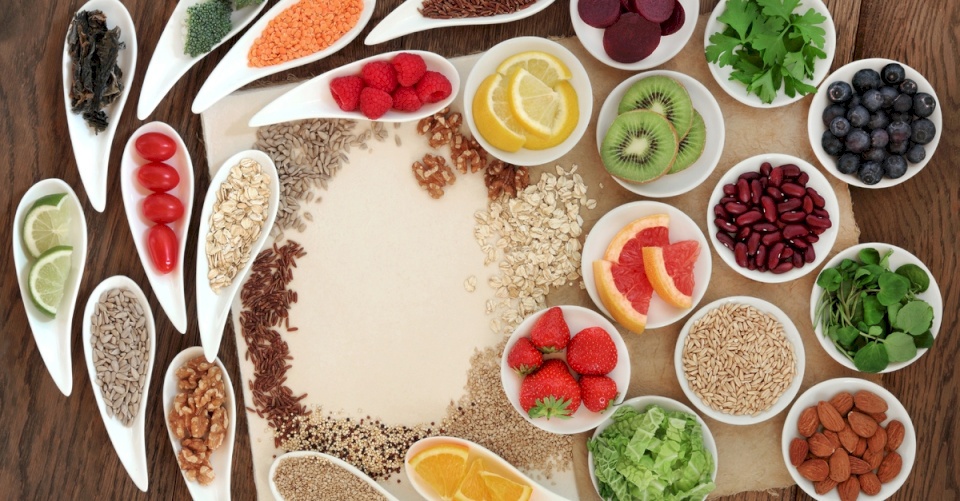
Most people associate fiber with digestive health, but adding a variety of nutritious and fiber-rich foods to the diet can enhance overall health, support the immune system, reduce the risk of certain types of cancer, and aid in weight maintenance.
Ling explained that "Fiber is part of a larger picture that affects health. Positive health outcomes are linked to dietary patterns that include a variety of vegetables, fruits, legumes, whole grains, dairy products, lean meats, nuts, and unsaturated oils."
What Does That Mean?
If you suffer from frequent constipation, rely heavily on processed foods, or have elevated blood sugar or cholesterol levels, you may not be getting enough fiber. Gradually increasing your intake of whole fruits and vegetables, legumes, and whole grains, while ensuring adequate hydration, can improve digestion and support long-term health. Monitor your body's response and focus on gradual, sustainable changes.
 Follow the latest Sada News via Google News
FIFA Referees Committee, Led by Colina, Clarifies Cases from Egypt vs. Argentina Match

The Egyptian Federation Files Official Complaint Against Referee Letexier

Do You Know How to Comfort Someone Who is Crying? Here's What to Say and Do in Tough Momen...

"Backrooms": From Digital Legend to Cinematic Phenomenon

Prediabetes.. The Silent Bomb Carried by Millions Without Their Knowledge

From Sweden 1958 to the Epic of Egypt 2026.. Argentina's History with World Cup Comebacks

After the South Africa Precedent.. Nigeria Investigates the Encroachment of Technology Com...
