

Fasting and Exercise: A Delicate Balance Between Enthusiasm and Health
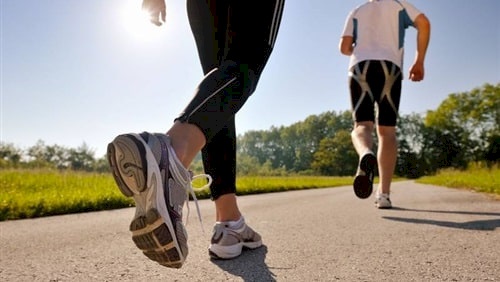
SadaNews - In the month of Ramadan, eating, sleeping, and activity patterns noticeably change, which directly impacts the physiological balance of the body. While some fasting individuals choose to stop exercising for fear of fatigue or dehydration, others insist on maintaining their usual training programs.
Amid this, a fundamental question arises: What does science say about physical activity during fasting? And do recommendations differ between healthy individuals and patients, particularly those on chronic medications?
Exercise in Ramadan: Conditional and Not Prohibited
Physiologically, the body undergoes progressive metabolic phases during fasting. After hours of food deprivation, blood glucose levels drop, and the body then relies on glycogen stored in the liver and muscles, before gradually transitioning to using fats as a source of energy.
These transformations are natural, but they are accompanied by a gradual decrease in fluids, which may limit the ability to endure physical exertion, especially in hot conditions.
Published scientific reviews in databases like PubMed indicate that fasting does not necessarily lead to a comprehensive deterioration in physical performance, especially in moderate-intensity exercises, although it may affect some components of peak performance such as high speed or extreme endurance at advanced times of the day.
Additionally, some studies have shown that maintaining moderate physical activity during Ramadan is associated with improvements in body composition indicators, weight management, and some metabolic markers.
Conversely, behavioral studies have recorded a general decrease in daily activity rates among fasting individuals compared to non-fasters, indicating that the real challenge lies not in the dangers of exercise itself, but in the tendency towards inactivity during the month.
Potential Benefits: Improving Metabolism and Mental Health
Clinical studies conducted during Ramadan in various countries suggest that engaging in moderate and organized physical activity may contribute to:
Enhancing insulin sensitivity and regulating blood sugar in certain categories.
Reducing body fat percentage and improving some blood lipid indicators.
Supporting mental health and reducing stress thanks to endorphin release.
Experiments on individuals suffering from overweight have shown that incorporating organized physical activity during Ramadan can enhance fat loss without significantly affecting muscle mass, provided that the exercise is moderate and accompanied by sufficient nutrition after breaking the fast.
However, these positive results remain linked to critical factors such as exercise intensity, timing, and the individual's health condition. They also represent a highly sensitive area for patients on medications, as the discussion becomes more precise. Fasting not only affects energy and fluids, but it may also change the dynamics of medications in the body in terms of absorption, distribution, and duration of effect.
Diabetic patients on hypoglycemic medications are the most at risk for complications during exercise while fasting, as physical activity increases glucose consumption by muscles, and in the absence of food intake, a sharp drop in blood sugar may occur. Clinical Ramadan studies documented an increase in the incidence of hypoglycemic episodes among some patients whose medication doses were not appropriately adjusted.
Patients with high blood pressure or heart diseases who take diuretics or antihypertensive drugs may be at risk for low blood pressure or dehydration if fasting is accompanied by intense physical activity. Fluid loss through sweating, along with the drug's effect, may lead to dizziness or fainting, especially later in the day.
Even patients taking medications that do not directly impact blood sugar or fluids, such as some thyroid or psychiatric medications, may have their responses affected due to changes in sleep patterns and dosing schedules, impacting their physical endurance.
Untreated Patients: The Risk of Underestimating
Another group often overlooked in the discussion is patients with mild chronic conditions or those in early stages who are not on medication.
In the case of a diet-controlled diabetic patient or a person with mild untreated hypertension, physical activity may appear completely safe, but long fasting combined with fluid deprivation and sleep disruption may reveal hidden imbalances in blood sugar or pressure. Therefore, absolute safety should not be assumed simply due to the absence of medication.
Timing and Intensity of Exercise: What Do the Evidence Recommend?
Medical literature agrees that the best times to engage in physical activity during Ramadan are:
About an hour before breaking the fast, with adherence to light to moderate intensity exercises.
Or two to three hours after breaking the fast once fluids and energy have been restored.
High-intensity or long-duration exercises during fasting hours are associated with an increased risk of dehydration, pressure or sugar disorders, especially among patient groups.
The Medical Decision is Individual, Not Collective
The conclusion supported by clinical studies and sports medicine experiences is that fasting does not prohibit physical activity, but it necessitates its reorganization. The benefits are possible, but the risks are real, especially for patients. Therefore, the decision remains uniquely individual.
The treating physician is the authorized party to assess the degree of risk, adjust medication doses if necessary, and determine the type, intensity, and timing of exercise. The equation in Ramadan is not between exercise or fasting, but between enthusiasm and knowledge.
In the end, maintaining health is part of the objectives of worship, and moderation is the golden rule where science and experience converge.
Source: Al Jazeera
 Follow the latest Sada News via Google News
After Deschamps' Departure... Zinedine Zidane Tops the Candidates to Lead France

Mbappe Surpasses Messi and Becomes the All-Time Top Scorer in the World Cup

England Defeats France and Achieves Largest World Cup Achievement Since 1966

Messi Refused to Play for Spain and Missed 3 World Cups

Publishers Sue Google for Allegedly Using Books to Train Artificial Intelligence

Google Expands Capabilities of Google Search Console to Support Social Media Accounts

The Mediterranean Table... An Ancient Diet Revealing Its New Secrets for Health and Longev...
