

How Much Vitamin C Does the Body Really Need Daily? Learn More
SadaNews - Vitamin C is one of the most common and widely used vitamins, known for its role in supporting immunity, improving iron absorption, and contributing to skin and vascular health. But the question many ask is: how much Vitamin C does the body actually need daily? And does excess intake provide additional benefits or could it cause harm?
According to the National Institutes of Health (NIH) in the United States, the recommended daily amount of Vitamin C for adults is about 75 mg for women and 90 mg for men, a quantity that can be easily obtained from the diet without the need for supplements in most cases, according to a health report from the scientific site "VeryWellHealth".
Taking Vitamin C is More Beneficial for Your Skin than Creams
Daily needs for Vitamin C vary by age and physiological condition. Children need smaller amounts, ranging from 15 to 45 mg daily, depending on their age group, while pregnant women need about 85 mg daily, and the requirement increases for nursing women to 120 mg.
As for smokers, it is advised that they get an additional 35 mg daily, as smoking increases oxidative stress and accelerates Vitamin C consumption in the body, raising the risk of deficiency.
Who Needs Larger Amounts?
While Vitamin C deficiency is rare in developed countries, some groups may be more susceptible to lower levels, such as the elderly, individuals suffering from malnutrition or difficulties in nutrient absorption, as well as patients with certain chronic diseases like gastrointestinal disorders.
Research also indicates that Vitamin C may be beneficial in relatively higher doses in certain cases, such as supporting immunity during infections, improving iron absorption in anemic patients, or contributing to slight blood pressure reduction.
Vitamin C Intake May Support Immunity
Studies indicate that taking 100 to 200 mg daily may support immunity, while some research has used higher doses - up to 500 mg daily - to study its effects on heart health or lowering uric acid associated with gout, although these higher doses are not officially recommended for everyone.
On the other hand, health authorities warn against excessive Vitamin C intake, as doses exceeding 2000 mg daily may cause digestive issues such as diarrhea, stomach cramps, and headaches, although Vitamin C toxicity is considered rare since the body excretes excess amounts through urine.
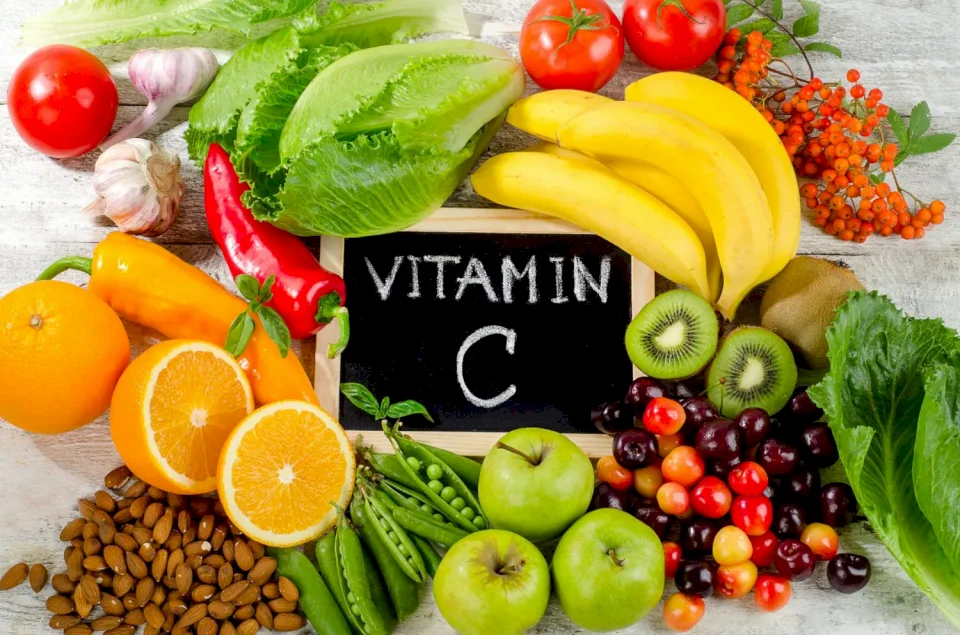
Nutrition experts affirm that the best source of Vitamin C is natural food, such as citrus fruits, kiwi, strawberries, bell peppers, broccoli, and leafy greens. One orange or a cup of strawberries can cover the entire daily requirement.
As for supplements, they are not recommended unless there is a proven deficiency or based on medical advice.
 Follow the latest Sada News via Google News
After Deschamps' Departure... Zinedine Zidane Tops the Candidates to Lead France

Mbappe Surpasses Messi and Becomes the All-Time Top Scorer in the World Cup

England Defeats France and Achieves Largest World Cup Achievement Since 1966

Messi Refused to Play for Spain and Missed 3 World Cups

Publishers Sue Google for Allegedly Using Books to Train Artificial Intelligence

Google Expands Capabilities of Google Search Console to Support Social Media Accounts

The Mediterranean Table... An Ancient Diet Revealing Its New Secrets for Health and Longev...
