

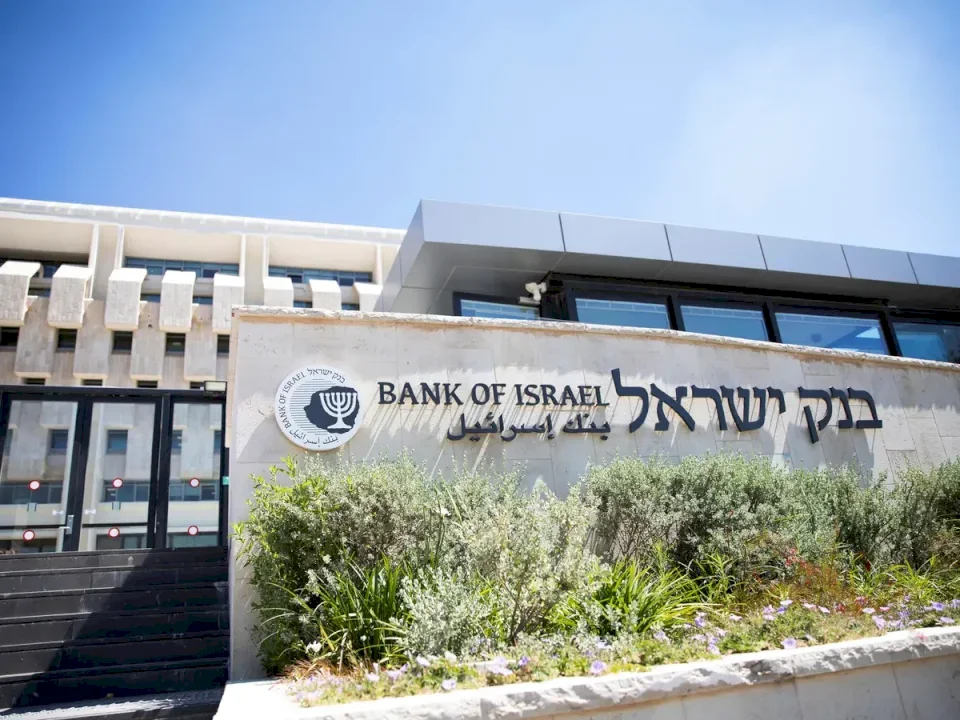
Israel Bank Publishes Exceptional Data Showing Economic Damage to Israelis Due to War
Translation of SadaNews Economics - Annual data from the Bank of Israel has revealed the extent of damage inflicted on the living standards of Israelis two and a half years after the war that broke out following the attack on October 7, 2023.
According to the data, as reported by the Hebrew website Walla and translated by SadaNews Economics, what has been published shows stark numbers that begin to illustrate the impact of the war on the loss of welfare reality for the population in Israel.
The data indicates a cumulative loss in welfare for Israelis amounting to approximately 35,000 shekels per person.
According to the Hebrew site, this represents a theoretical cut of about 3,900 shekels from the income of every Israeli in each quarter of the year during the period of the war. It added: "This money did not go towards consumption, savings, or improving the quality of life, but was swallowed by the fires of war and the debts accumulating on the state."
Among the concerning phenomena to which the report lends official credibility is the radical change in migration balance, noting that Israel used to enjoy a surplus of immigrants compared to newcomers, but the picture has turned upside down over the past two years, with an average migration deficit of 20,000 people annually.
Excluding migrants from Russia and Ukraine who used Israel as a transit point, the data indicates a sharp decline in motivations to come and an increase in the number of departures.
The economic impact lies in two aspects: a labor shortage and a decrease in housing demand, which may indicate a malfunction in social and economic flexibility in the long term, according to the Hebrew site.
In parallel with the internal situation, the Bank of Israel reveals for the first time the political repercussions, as the bank's economists divided European countries into two categories: "critical" and "moderate," with a clear and unambiguous result: exports to critical countries (such as Spain, Ireland, and France) have notably slowed, dropping by billions of dollars from expectations; despite rising defense exports to other destinations, the quiet boycott or negative sentiments in Europe are already showing their marks on the pockets of Israeli industrialists, the site says.
Meanwhile, the Bank of Israel praises the responsible policies followed in recent decades, as Israel entered the war with a low debt-to-GDP ratio and a significant surplus of foreign currency, which allowed the economy to absorb the shock. Additionally, inflation, which has returned to the target range (2.6%) thanks to the rising value of the shekel, provides some relief. However, the bank warned that this accumulated luck and this resilience will not last long.
The real challenge facing the Israeli government lies in the upcoming budgets, as the Bank of Israel publicly speaks of a "structural deficit" of 3.7%, which is a permanent gap between spending and income not solely related to the war.
To prevent a cycle of debt and interest rates, the Governor of the Bank of Israel has called for unpopular measures, such as raising taxes, especially on the middle class (from the fifth to the eighth tiers), and reducing spending that does not support growth, as translated by SadaNews Economics.
The Bank of Israel did not hesitate to direct sharp criticism regarding the issue of burden sharing, pointing out that recruiting about 7,500 ultra-Orthodox Jews annually would save the economy at least 9 billion Israeli shekels annually in reserve costs.
The Bank of Israel sent a clear message to the Israeli government: "The war has revealed the economy's resilience, but to avoid waking up to the reality of a lost decade, the government must return to managing a tight, transparent, and growth-oriented budget, not merely management that is limited to quelling the crisis."
 Follow the latest Sada News via Google News
Soaring Oil Prices Burn the Pockets of the Palestinian Citizen "The Poor"

Millions of Dollars in Losses.. "SadaNews" Reveals Shocking Figures for Traders from Pales...

The Problem of Shekel Overcrowding Worsens.. Fuel Station Owners Threatened with Closure o...

The Palestinian Economy at a Crossroads: 4 Files Awaiting Resolution

بنك إسرائيل يخفض توقعات النمو ويحذر من ارتفاع العجز

Exchange Rates of Currencies Against the Shekel on Tuesday (July 21)

Inflation Expectations in Israel Stabilize at 1.5%
