

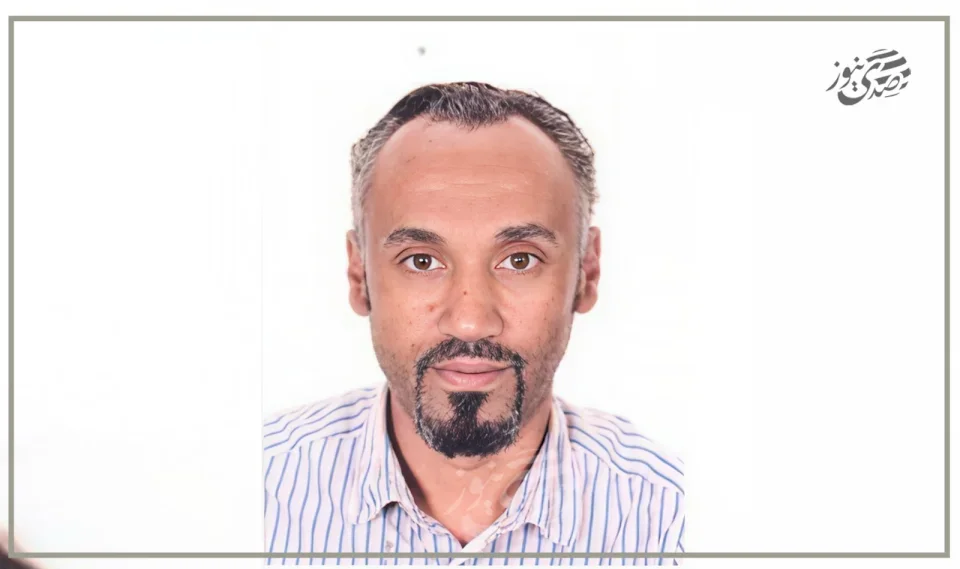
Between Pragmatism and Survival Management: Where Does Hamas Go After the Election of Khalil Al-Hayya?
The Palestinian politics can no longer afford superficial readings or hasty judgments. What is happening today is not merely a change of names within the factions but a reflection of profound transformations imposed by war, human losses, and regional and international changes. From this perspective, the election of Khalil Al-Hayya to lead Hamas raises a legitimate question: Are we witnessing a change in approach, or just a change in personnel?
When reviewing the course of Hamas in recent years, it becomes clear that the movement has gradually shifted from a phase of focusing on managing the conflict to a phase of managing survival. The recent war in the Gaza Strip created an unprecedented reality; widespread destruction, a suffocating humanitarian crisis, political and security pressures, and existential questions about the future of the Strip and the movement's position in it.
In such circumstances, maintaining political and organizational existence becomes a goal that is no less important than managing military confrontation. Therefore, it seems that the movement is heading towards a greater degree of political pragmatism, without declaring its abandonment of its traditional rhetoric or its vision for resistance. Pragmatism here is not necessarily a concession but an attempt to adapt to a new reality imposed by the balance of power.
It should not be viewed that the election of Khalil Al-Hayya represents a radical shift in the movement's policy. Hamas is not an organization based on individual decision-making; it relies on leadership institutions and internal consultative mechanisms that determine its general directions. However, the selection of a figure with political presence and extensive experience in negotiation files and relations with mediators may reflect a desire to give greater space to political and diplomatic tools in the upcoming phase.
The most pressing issue for the new leadership may be how to transition from a phase of war to managing its consequences; starting with a ceasefire, addressing the prisoners' file, and leading to reconstruction and governance arrangements in Gaza. These files require negotiation skills and the ability to engage with multiple regional and international parties, as much as they require a political discourse capable of addressing both the domestic and external audiences simultaneously.
However, it is a mistake to believe that simply changing the movement's leadership will alter the reality of the Gaza Strip. The future of the Strip is linked to factors greater than any Palestinian faction, including the nature of Israeli politics, the American position, the role of regional mediators, the future of the Palestinian political system, and the possibility of reaching a consensual formula for managing the upcoming phase. Therefore, any leadership, no matter who, will continue to operate within a limited space imposed by the surrounding political and security environment.
Perhaps the greatest challenge facing Hamas today is not only how to maintain its political presence but also how to regain the trust of a community that has been exhausted by war and is seeking security, stability, and reconstruction just as much as it seeks out slogans and political positions. Communities emerging from wars often reorder their priorities, becoming more concerned with improving daily living conditions, without necessarily abandoning their national convictions.
The upcoming phase will not merely be a test of Hamas's ability to resist but of its ability to adapt politically, manage crises, and balance between national constants and the requirements of reality. The success of any leadership will not be measured by its rhetoric but by its ability to transform suffering into an opportunity to rebuild individuals and institutions, and open up a political horizon that alleviates the suffering of the Palestinians.
In conclusion, the election of Khalil Al-Hayya may indicate a development in the management tools of the movement, but it does not necessarily mean a change in the essence of its political project. As for the future of Gaza, it will not be shaped by one individual or one faction, but will be defined by a complex interaction between Palestinian will and the regional and international environment, and the capacity to overcome division and build a comprehensive national vision that prioritizes the interests of the Palestinian people.
 Follow the latest Sada News via Google News
Between Pragmatism and Survival Management: Where Does Hamas Go After the Election of Khal...

Khalil Al-Hayya as President of Hamas.. Continuation of the Founders' Approach

The Annihilation of Sportsmanship

Until When Will the Palestinian Citizen Pay the Price of an Endless Phase?

7-10 Billion Shekels.. The Bill for the Absent Worker from Brussels

Why Does Marwan Barghouti Remain the Key to Unity and Settlement?

The Joy That Passes Through Barriers
