

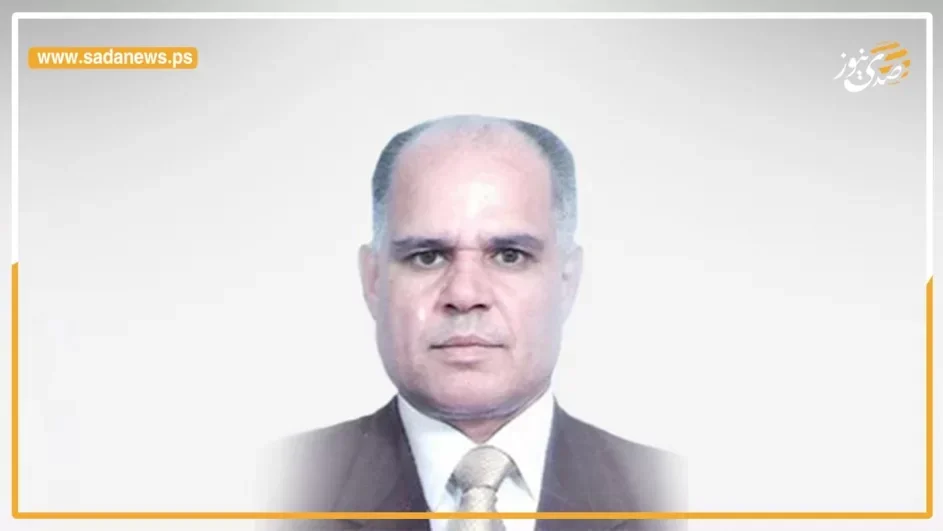
19 Years Since the Hamas Coup and This is the Result
After returning to the Gaza Strip following my resignation from the Fayyad government in February 2008, Dr. Ghazi Hamad, a friend of mine, contacted me and said he had arranged a meeting for me with Prime Minister Ismail Haniyeh. It would not have been appropriate to refuse the request. Indeed, this happened, and he was accompanied by his office director at the time, Mohammad Awad. "Abu Al-Abed" was, as usual, friendly and calm, and when he asked me about my political vision, I criticized the coup that Hamas had carried out. He interrupted me, saying: "What happened was not a coup but a decisive action against those who refused to empower the legitimate government to carry out its duties" (referring to the preventive security apparatus). I told him: "As a professor of political science, I have not encountered the term (military decisiveness), and changing governments happens either through peaceful agreement on power transition, through popular revolution, or through military coup. What happened was a coup, and changing its label does not change the reality, especially since after your decisive action against the rebels, the authority was no longer as it was." The meeting ended, despite this discussion, on a friendly and calm note.
Now, after 19 years have passed since the event, Hamas still insists that it was a "decisive action" and not a "coup," even though everything that has transpired after the coup and before it confirms that what occurred was a bloody coup that led to all the collapses in the Palestinian political system in the West Bank and Gaza, and to the devastating events that the Gaza Strip has since faced, the latest being the ongoing war of extermination and ethnic cleansing that the sector is experiencing today.
The roots of the coup and division go back to the moment Hamas was founded, as it positioned itself as an alternative to the Palestine Liberation Organization (PLO), then turned against it, working alongside its allies to undermine it and its authority. The appropriate opportunity came to it following Sharon's decision to unilaterally withdraw from the Gaza Strip in the autumn of 2005, amidst the chaos and the presence of multiple armed militias and the weakness of the security apparatuses, especially the preventive security; the last director of the preventive security at that time, Yusuf Issa, was appealing to the leadership before the coup to intervene to save the apparatus from collapse due to the elements not receiving their salaries for several months, leading to a depletion of the apparatus, where many of its personnel turned into bodyguards for Fatah leaders and their wives or engaged in other jobs.
Yes, Hamas wanted to control the Strip specifically to make it a launch pad for its Islamist Brotherhood project, but the Palestinian Authority, the PLO, and Fatah did not do what was necessary to defend the Strip and prevent the coup, even some Fatah leaders in the Strip – who had armed elements – such as Ahmed Hilles, refused to participate in fighting Hamas on the day of the coup, saying, "This battle is not mine, but the battle of the preventive security and Dahlan!".
After the coup, the Palestinian leadership formed a committee headed by Azam Al-Ahmad to investigate what happened, and the committee's report did not conceal the existence of flaws in the authority and its security apparatuses. In fact, some security officials were held accountable, and condemnations were directed at others, but the report ignored the responsibility of the high leadership and its negligence regarding what was happening in the sector before the coup, and the condescending view of some West Bank leaders towards Gaza and its people and their desire to rid themselves of the burden of the Strip and the disputes of its people. Later, Fatah continued its reconciliation dialogues with Hamas despite the coup and its publicly declared hostile policies towards the authority and the PLO.
In our book published in 2014 by Al-Jundi Publishing under the title (The Division: The Second Palestinian Catastrophe), we documented all the details of the coup and stated that the coup and the political and societal division that occurred served Israel's interests, which created all the conditions for the event of the division. It could have quelled the coup on the first day but did not do so because it served its interests and continued to strengthen it until the Hamas flood occurred. Hamas and its allies are also responsible, as is Qatar, which was the midwife of the division, and even the authority, the PLO, and Fatah bear part of the responsibility for their inability and early complacency in confronting Hamas before the coup.
 Follow the latest Sada News via Google News
19 Years Since the Hamas Coup and This is the Result

The Major Gap in the Post-War Plan for Gaza: Everyone Talks About Hamas... No One Talks Ab...

The Goalkeeper of the World
From the Deception of the Gaza Siege to the Deception of Hamas's Weaponry

On the Edge of Salary ... and on the Edge of the Homeland ..

No Presidential Elections

A Critical Reading of the Book: "National Initiatives: The Past, Present, and Future"
