

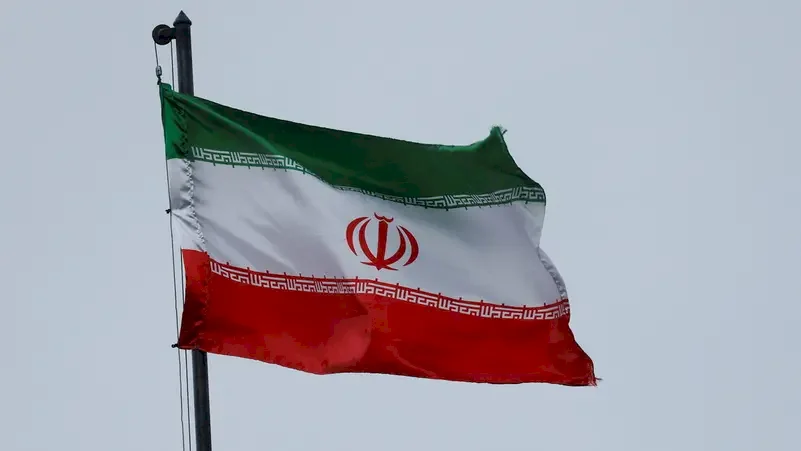
New York Times: Iran Emerges from War More Hardline
SadaNews - An analysis published by the New York Times indicates that the war fought by the United States and Israel against Iran in recent months did not achieve the strategic objectives announced at its outset. Instead, it has resulted in a new political and security reality that has made Iran more hardline and willing to take risks.
The report pointed out that the two primary goals of the war were to weaken the Iranian regime or push it toward internal political change, and to eliminate its nuclear capabilities and prevent it from continuing to develop its nuclear program. However, the results were different, as the regime did not collapse but rather reorganized the centers of power within, enhancing the influence of the military establishment, particularly the Iranian Revolutionary Guard, at the expense of the traditional religious elites that had represented the backbone of the regime.
As both parties move closer to a preliminary agreement that could pave the way for broader negotiations regarding the Iranian nuclear program and the future of regional balances, the analysis suggests that Iran has emerged from the war more reliant on military and security leadership and more convinced of the need to maintain its strategic power elements.
Instead of abandoning its nuclear project, the new Iranian leadership views it as a fundamental guarantee for the country's security and a means to prevent any large-scale attack in the future.
This shift comes at a time when Tehran and Washington continue their attempts to reach a political understanding that stops the repercussions of the war. Indicators show that the two sides are close to signing a preliminary memorandum of understanding that opens the door to a 60-day negotiation round to discuss the more complicated issues, including the Iranian nuclear program and Tehran's role in the Strait of Hormuz.
The report confirms that Iran enters these negotiations from a position of greater confidence, having managed to preserve a significant part of its military structure and nuclear facilities despite the damages it sustained. Its security institutions have demonstrated their ability to control internal situations and prevent any political or security collapse.
Several experts, according to the report, believe that the new Iranian leadership differs from the previous one in its approach to thinking and crisis management. It appears more willing to take risks and more convinced that resilience against military and economic pressures can yield political gains in negotiations.
In this context, Tehran believes that the United States is not prepared to engage in a new comprehensive war, and that President Donald Trump prefers to reach an agreement that alleviates tension and restores stability to global energy markets, which grants it greater maneuvering space and reduces its feeling of needing to make significant concessions.
The analysis indicates that Iran's fundamental demands have not changed despite the war. It still insists on its right to enrich uranium, refuses to abandon its ballistic missile program, and insists on continuing to support its regional allies, including Hezbollah, the Islamic Resistance Movement (Hamas), and the Houthis.
Tehran also demands the release of billions of dollars in its frozen assets and seeks guarantees that will allow it to increase oil exports and mitigate the impacts of sanctions that have caused significant harm to its economy, which is suffering from sharp declines and rising inflation and unemployment rates.
From the perspective of many analysts, the war that was supposed to prevent Iran from moving closer to the nuclear threshold may have practically pushed it to adhere even more firmly to this option, as even if it agrees to temporary constraints, it will still possess the scientific expertise, facilities, and infrastructure needed to quickly restore its nuclear capabilities.
The report also warns that Iran may use its geographic position and influence in the Strait of Hormuz as a permanent leverage against the United States and its allies, as any threat to shipping there could immediately impact energy prices and international markets.
The war has not ended the Iranian challenge, according to the report, but has reshaped it in a new form, especially since Tehran has emerged from the confrontation more reliant on the military establishment, more convinced of the necessity to maintain strategic deterrent tools, and less willing to succumb to external pressures, while the United States seems in need of an agreement that alleviates tension and restores stability to the global economy.
The report concluded that reaching a memorandum of understanding or even a preliminary agreement does not necessarily mean resolving the crisis, as the core issues related to the Iranian nuclear program, Tehran's regional influence, and maritime security in the Gulf remain far from a final settlement.
Therefore, many experts anticipate that the region will enter a long phase of "neither war nor peace," where political and military tension persists without reaching a comprehensive confrontation or lasting peace, a situation that may grant Iran additional time to solidify its gains and rebuild its regional influence.
 Follow the latest Sada News via Google News
Smotrich Calls for Demolition of Buildings in the Southern Suburb of Beirut

Raids and Arrests in the West Bank

Growing Israeli Concern as Washington and Tehran Agreement Approaches

New York Times: Iran Emerges from War More Hardline

Israeli Opposition Leader Criticizes Upcoming Agreement with Iran

CNN: US-Iran Agreement to be Signed Electronically for Logistical Reasons

Weather: Clear and Mild to Hot Conditions
