

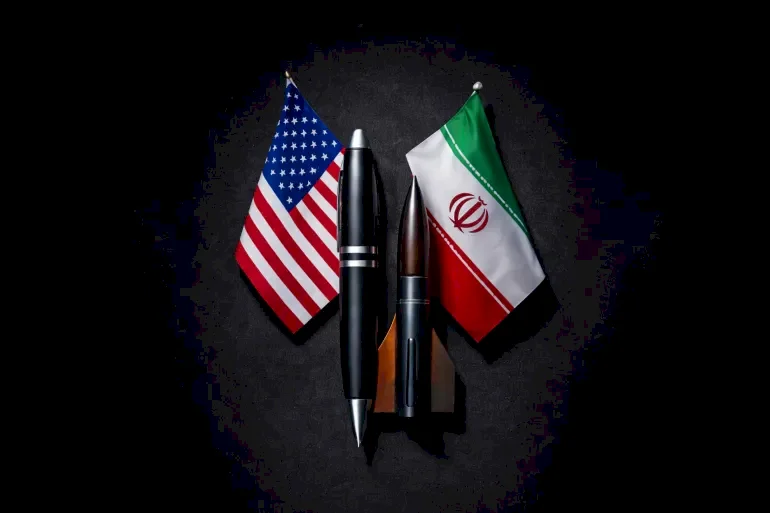
Qatari Negotiators Head to Tehran to Finalize Agreement to End War
SadaNews - A knowledgeable source told Reuters that Qatari negotiators arrived in the Iranian capital, Tehran, this Sunday morning as part of efforts to finalize an agreement to end the war between the United States and Iran.
U.S. and Pakistani leaders had expected to sign a memorandum of understanding on Sunday to end the war that has lasted for more than three months, but Tehran expressed skepticism about the timing of the signing.
Iranian news agency Fars quoted an informed source as saying that Tehran's final decision regarding the memorandum of understanding is under review, confirming the ongoing examination of the political, legal, and technical aspects of the proposals at the expert and decision-makers' level.
On Saturday, Pakistani Prime Minister Shahbaz Sharif stated on platform X, "We are closer than ever to a peace agreement between the United States and Iran, and we expect it to be finalized within 24 hours."
Following that, U.S. President Donald Trump, through his platform Truth Social, stated that the agreement would be signed on Sunday, and the Strait of Hormuz would be reopened to all immediately after the signing.
Iranian Foreign Minister Abbas Araqchi had previously indicated that there is a possibility of digitally signing a memorandum of understanding with the United States in the coming days.
According to leaked terms of the agreement, it involves a ceasefire for sixty days, coinciding with the reopening of the Strait of Hormuz to international navigation and the return of transit traffic to its previous levels within a specified timeframe.
In return, the United States pledges to ease restrictions on Iranian oil exports and grant exemptions that will allow Tehran to generate financial revenues, with the expansion of these facilities linked to progress in subsequent negotiations regarding the nuclear program and other outstanding issues.
Amid setbacks and cautious optimism, Tehran and Washington have been engaged in negotiations to end the war that the U.S. and Israel started against Iran on February 28 since the current ceasefire began on April 8 of last year.
Since April 13, the United States has imposed a blockade on Iranian ports, including those located in the vital Strait of Hormuz for global energy supplies.
Iran responded by preventing ships from passing through the strait without coordination with them, amid fears of a potential collapse of the ceasefire and a resumption of the war, which has raised energy prices and global inflation levels.
 Follow the latest Sada News via Google News
The Most Important Interventions Implemented by the Palestinian Government Over the Past W...

Occupation Demolishes Homes, Buildings, and Commercial Facilities in Eastern Bartaa Near J...

Iranian Media: Tehran's Decision on the Agreement is "Under Review"

Occupation forces storm the central vegetable market "Hesbeh" east of Nablus (Video)

"Ministry of Development": No truth to the announcement of registration for financial aid...

Qatari Negotiators Head to Tehran to Finalize Agreement to End War

Monitoring the Fall of Two Drones from Lebanon in Western Galilee
