

Wall Street Rises on Hopes of Easing Despite Hormuz Blockade
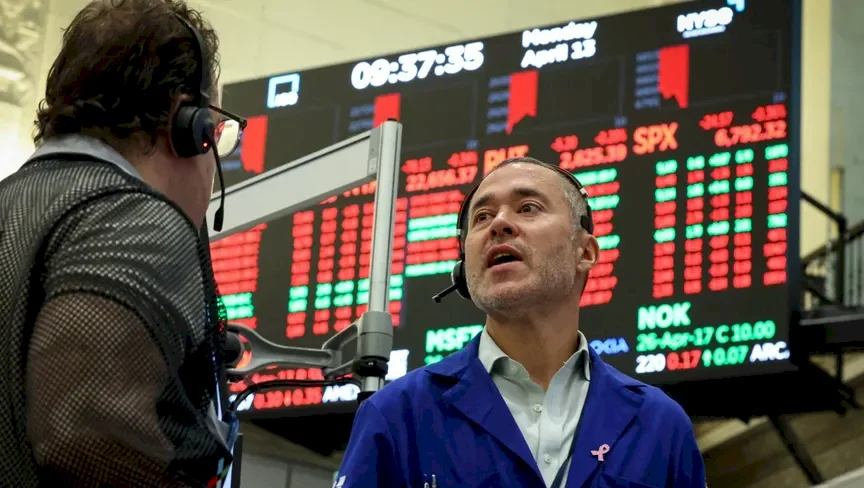
SadaNews - U.S. stocks closed at the highest levels of the session, returning to rise in expectations for 2026, after U.S. President Donald Trump stated that Iran still wishes to strike a deal, following a stalemate in peace talks and the imposition of a blockade by the United States on the Strait of Hormuz. Meanwhile, Goldman Sachs’ shares dipped at the beginning of a disappointing earnings season.
The S&P 500 index rose by 1% to its highest level since late February. Brent crude was up by 3% at around $98 per barrel, reducing its earlier gains. Goldman Sachs' shares fell by 1.9%, as disappointing revenues in fixed income, currencies, and commodities overshadowed their record gains from stocks.
Stocks extended their gains after Trump said that Iran had contacted his administration regarding peace negotiations, even as the U.S. began a naval blockade of the Strait of Hormuz in the seventh week of the conflict.
Investors Cautioned Despite Gains
Michael O'Rourke, chief market strategist at JonesTrading, stated that "the decline in oil, along with selling, fueled a stock market recovery." He added, "Overall, investors are questioning the validity of the headlines, but they also don't want to fall victim to them."
Even with Trump trying to influence negotiations back on track with words, there were few signs of success after the failure of weekend talks in Islamabad. Iran blamed the U.S. for the deadlock and did not confirm any additional discussions on Monday.
Ulrike Hofmann-Burchardi, chief investment officer for the Americas and global head of equities at UBS Global Wealth Management, wrote that "given the economic costs of high oil prices, and with the extreme uncertainty regarding current developments, we believe that investors should avoid attempts to speculate on geopolitical factors."
Earnings Season Under the Microscope
At the same time, investors are eager to hear from executives about the risks stemming from the conflict, the disruptive impact of artificial intelligence, and concerns about private credit as earnings season begins. Analysts expect S&P 500 earnings to show an annual growth of about 12% for the first quarter.
The question is whether the "upcoming earnings season can be a sufficient catalyst to dismantle the tight link between stocks and oil, as corporate earnings traditionally drive stock prices," wrote Clark Bilein, president and chief investment officer at Bellwether Wealth.
According to Morgan Stanley strategist Mike Wilson, the backdrop of strong earnings protects the S&P 500 from deeper losses, recommending preparation to add risk even if the Iran conflict continues.
The yield on two-year Treasury bonds fell to about 3.77%. The dollar reversed previous gains and was down by 0.2%. Gold was trading lower at around $4765 per ounce.
Inflation Returns to the Forefront of Bond Markets
The recent rise in oil prices, alongside a notable increase in U.S. consumer prices in March, has shifted the bond market's focus back to inflation.
The yield on 10-year Japanese bonds rose to the highest level since 1997 earlier on Monday before reversing course. In the U.S., money markets indicated less than a 20% chance of an interest rate cut by December.
Gill Gibbons, head of European equities at BNP Paribas Asset Management, stated that "time is working against the markets, as every day that passes with oil prices at this height puts pressure on global growth and drives inflation." He added, "it's hard to see how markets can achieve a sustainable recovery without a lasting resolution to this crisis."
Cameron Crise, macro strategist at Bloomberg, remarked that "crude oil hasn't returned to the benchmark levels in March yet, whether you look at the overall benchmark or at the near-dated delivery dates for Brent or West Texas Intermediate. This would argue against a catastrophic rush to lower stock prices."
U.S. Stocks Erase All Losses Incurred Due to Iran War
Despite Trump's announcement of a "naval blockade" on the Strait of Hormuz, the S&P 500 successfully erased all losses incurred since the outbreak of the conflict with Iran about six weeks ago, coinciding with the U.S. President's announcement of Tehran's willingness to strike a "deal," giving a boost of optimism to investors.
 Follow the latest Sada News via Google News
Due to "Hazardous and Counterfeit Products".. Europe Fines "AliExpress" $627 Million

Gasoline Prices Exceed $4 Again in America Amid Resumed War

What was the financial reward for Spain after winning the World Cup?

Gold Stabilizes Amid US Interest Rate Outlook

Oil Prices Climb 2% Amid Escalating Attacks Between the US and Iran in the Middle East

Israel Increases Gas Supplies to Egypt by 26% to Reach 1.2 Billion Cubic Feet Per Day

Expectations of a Delay in European Interest Rate Hike Amid War Risk Preparedness
