

Relative Stability of the Dollar Near 3.04 Shekels and Predictions of Returning Inflationary Pressures
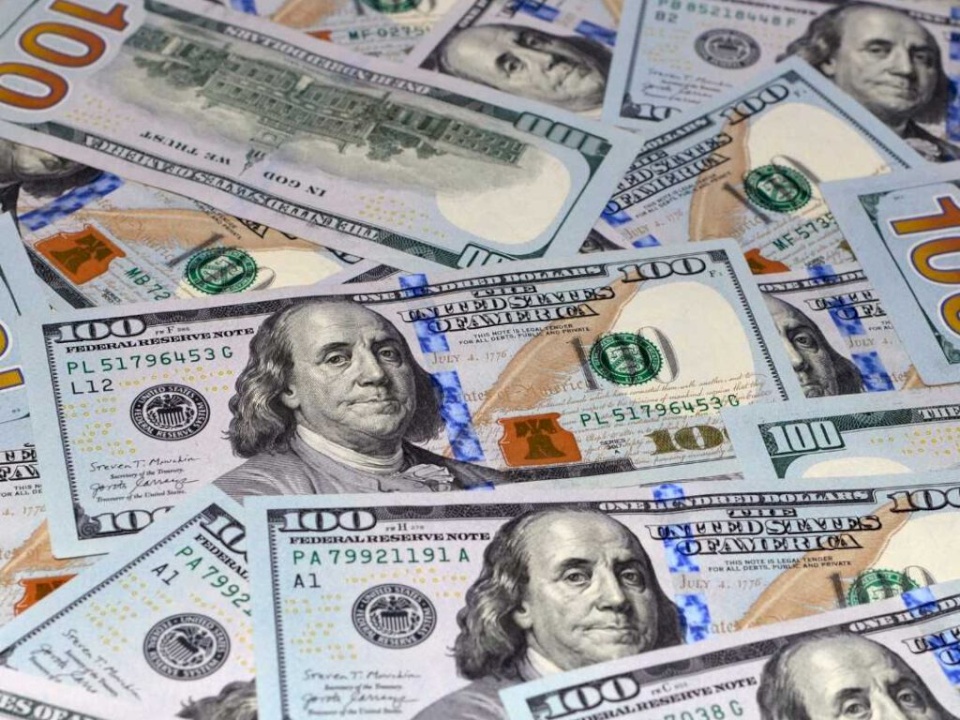
SadaNews - The financial markets began the new trading week with slight movements in currency exchange rates. The US dollar recorded a slight decline of 0.2%, trading below the 3.04 shekel threshold, while the euro remained unchanged, trading above the 3.47 shekel level. In global markets, major currencies maintained their relative stability, with the dollar index holding at 100.7 points, the euro above $1.14, and the British pound remaining above $1.34.
This performance comes at a time when markets are anticipating the trends in monetary policy and the inflation trajectory locally. In this context, estimates from the research department at Bank Hapoalim indicate that the Bank of Israel, after lowering interest rates in early July, may continue to gradually lower them to reach 3.0% in the coming year, with expectations that rates could reach 3.25% in the near term. However, analysts at the bank warn that the cooling effects on inflation resulting from the strength of the shekel—which contributed to the annual inflation rate dropping to 1.6%—are beginning to fade, signaling a gradual return to rising inflation rates in the second half of the year.
These expectations are supported by new inflationary pressures stemming from the rise in global oil prices due to renewed tensions in the Gulf, in addition to the sharp increase expected in airline ticket prices during the summer months due to reduced flight capacity. Other structural factors are also at play, such as the continued growth rate of wages in the economy at about 6%, and the increase in public service prices, like transportation, which keeps inflation expectations for the next 12 months at around 2.0%.
In a related context, Alex Zyabinski, chief economist at the investment house "Mitaf," explained in an interview with the "Calcalist" newspaper the role of the housing sector in driving inflation up if the dampening effects of the strong shekel diminish. He noted that the housing and rental prices section continues to register strong increases of about 4% since the end of 2024—twice the pre-pandemic rate—continuing to hover around 1% in its contribution to the inflation index. Zyabinski indicates that keeping overall inflation around the 2% target requires that inflation excluding the housing sector remains below 1%, a level recently achieved thanks to the cooling of product prices supported by the strong shekel, a trend experts are predicting will slow down as the recent boost to the local currency comes to a halt.
 Follow the latest Sada News via Google News
Soaring Oil Prices Burn the Pockets of the Palestinian Citizen "The Poor"

Millions of Dollars in Losses.. "SadaNews" Reveals Shocking Figures for Traders from Pales...

The Problem of Shekel Overcrowding Worsens.. Fuel Station Owners Threatened with Closure o...

The Palestinian Economy at a Crossroads: 4 Files Awaiting Resolution

Inflation Expectations in Israel Stabilize at 1.5%

Ministry of Economy Announces the Opening of Import Application Submissions for Commodity...

Relative Stability of the Dollar Near 3.04 Shekels and Predictions of Returning Inflationa...
