

Washington Post: Why Does Iran Not Seem Prepared to Surrender Despite Significant Losses?
SadaNews - As the war on Iran enters its fourth week, Tehran continues to reject any diplomatic settlement, despite the intense strikes it is facing from the United States and Israel, preferring to escalate the confrontation rather than retreat.
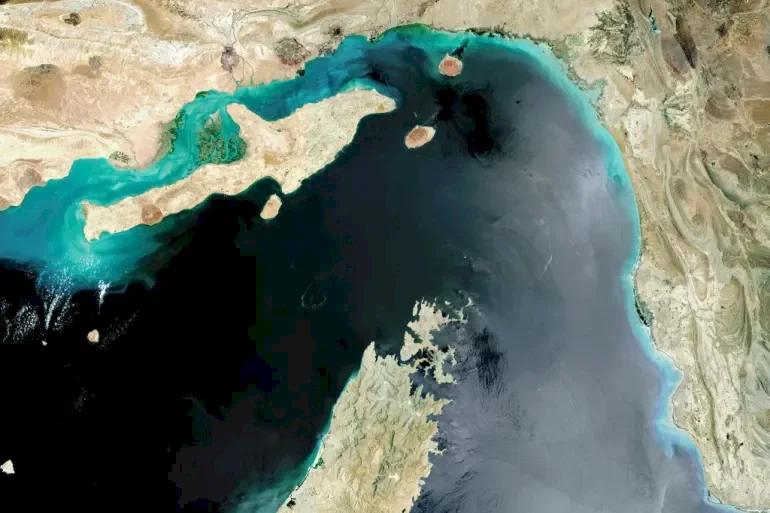
With this introduction, the Washington Post opened an article by Susannah George, stating that Tehran's position is based on a strategically significant card, which is its control over the Strait of Hormuz, one of the most important energy corridors in the world, the partial closure of which has led to market disruptions and price increases.
The author added that Iran is betting on its ability to increase global economic pain faster than the Trump administration can mitigate it with military force, according to an Iranian diplomat and two European diplomats and a senior Arab official who spoke on condition of anonymity as they were not authorized to speak to the media.
The Iranian leadership sees its ability to influence the global economy through energy as an effective leverage tool, enabling it to balance the military superiority of its opponents and impose increasing costs on them, even though the economic repercussions on the United States and its allies have not yet reached a level that drives them toward negotiation, despite growing concerns over rising energy prices.
The United States has intensified its military operations in the field around the strait in an attempt to ensure the continued flow of oil, with the number of targets bombed inside Iran reaching 15,000, resulting in significant infrastructure losses and a high number of civilian casualties, according to one of the diplomats.
So far, the diplomatic efforts led by regional parties such as Qatar and Oman have failed, as Iran insists on the condition of halting attacks first before entering into any negotiations, in addition to its demands for guarantees and compensations. The Iranian diplomat stated, "Iran is not ready to agree to an early ceasefire as was the case in the 12-day war."
The Domestic Situation
The diplomat added that Iran will not stop its attacks against American interests unless Washington agrees to "non-aggression" guarantees, calling on Trump to end the war before it escalates further, saying, "This is just the beginning of the United States' entanglement in a quagmire. There is no other exit."
The newspaper noted that last week, Israel assassinated four senior Iranian officials, including the Secretary of the Supreme National Security Council, Ali Larijani, and spokesman for the Revolutionary Guard, Ali Muhammad Naeini, and noted that the assassination of prominent figures has contributed to complicating dialogue opportunities and pushed Tehran toward further rigidity.
Messages of defiance were strongly present in the statements of Iranian leaders during Nowruz, as they pledged to defeat "Iran's enemies." The Speaker of the Parliament, Mohammad Baqer Qalibaf, stated, "The new year will be a year to deal a strong blow to Iran's enemies," asserting that the country will "emerge from these storms with pride and greater strength."
Despite the defiant official rhetoric, the author believes that the data reveals increasing internal concerns among the Iranian leadership about the long-term costs of the war, particularly with the precarious internal situation and declining popularity.
The newspaper concluded with the opinion of former American intelligence expert Reuel Marc Gerecht, who said that the Iranian leadership always considers the internal situation, explaining that the continuation of the conflict leads to exacerbating internal crises and igniting new waves of protests, adding, "Their most dangerous moments are not during the war when they hold out, but rather when the strikes stop."
Source: Washington Post
 Follow the latest Sada News via Google News
Mamdani Acknowledges: New York Does Not Have Authority to Arrest Netanyahu (Video)

Uranium on Saudi Soil: Details of the Nuclear Agreement Between Trump and Riyadh

US Army Announces Completion of the 11th Night of Strikes on Iran

Weather: Hot conditions with a slight increase in temperatures

Morocco Hosts Formative Exercise for International Stabilization Force in Gaza

Sheikh Holds Meeting with Security Leaders to Follow Up on Current Developments

Hebrew Channels: The Likelihood of Israel's Participation in the Attack on Iran is Increas...
