

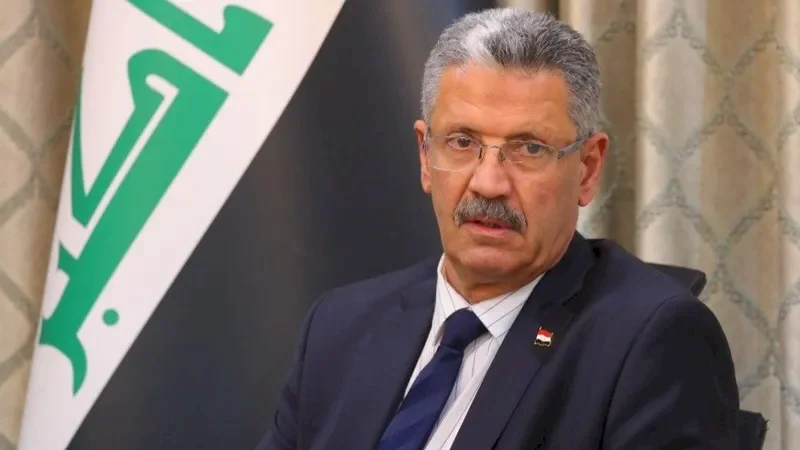
Iraqi Oil Minister: An Integrated Pipeline to the Syrian Port of Baniyas Will Be Rebuilt
SadaNews - Iraqi Oil Minister Hayan Abdul-Ghani revealed that negotiations between Iraq and the Syrian side regarding the operation of the Kirkuk-Baniyas pipeline prefer the direction of rebuilding an integrated line to the Syrian port of Baniyas.
Abdul-Ghani explained that a preliminary study was prepared earlier to reactivate this axis, and communication was made with the Syrian side about the possibility of this to prepare a joint assessment by laying out a plan for the current state of the pipeline and the pumping stations, "where it became clear initially that the preferred option is to rebuild an integrated line to Baniyas." He added that from the Iraqi side, there is a comprehensive project to create a pipeline from Basra to Haditha, which is currently underway as the first phase of a comprehensive project aimed at transporting and exporting oil through the Ceyhan and Baniyas ports.
Iraq is seeking to increase export capacities from the southern outlets and to resume exports from the Turkish pipeline through Ceyhan, as well as studying the export via the Syrian Baniyas and Lebanese Tripoli pipelines.
In August, Iraq agreed with Syria to form a joint committee to study the condition of the pipeline between the two countries and the feasibility of resuming exports through it. At that time, Syrian Energy Minister Mohamed Bashir revealed discussions regarding the rehabilitation of the oil transportation line linking the two countries, which would allow the transport of oil to Syrian refineries or its export via the Mediterranean Sea. Syria relies on energy transportation lines reaching between Syria and neighboring countries to meet a shortfall of electricity that amounts to 80% of its actual needs.
In October, the advisor to the Iraqi Oil Minister Abdul-Baqi Khalaf stated in an interview with Al-Sharq that there have been multiple attempts to reactivate the Iraqi oil line with Syria (Kirkuk-Baniyas), but the aging of the pipelines requires a new technical evaluation.
The "Basra-Haditha" pipeline project, with a capacity of 2.25 million barrels, would secure export quantities through existing or proposed outlets, as well as securing crude oil for Iraqi refineries, which need additional quantities of crude in light of increasing production capacities, according to the Iraqi oil minister.
 Follow the latest Sada News via Google News
Dollar Steadies Near One-Week High Amid War Developments

Trump Imposes Tariffs on Canadian Imports... Ottawa Vows to Respond

Oil Prices Drop After Reports of Mediation Efforts Between the U.S. and Iran

Gold Price Rises Supported by Increased Buying Amid Lower Prices

Due to "Hazardous and Counterfeit Products".. Europe Fines "AliExpress" $627 Million

Gasoline Prices Exceed $4 Again in America Amid Resumed War

What was the financial reward for Spain after winning the World Cup?
