

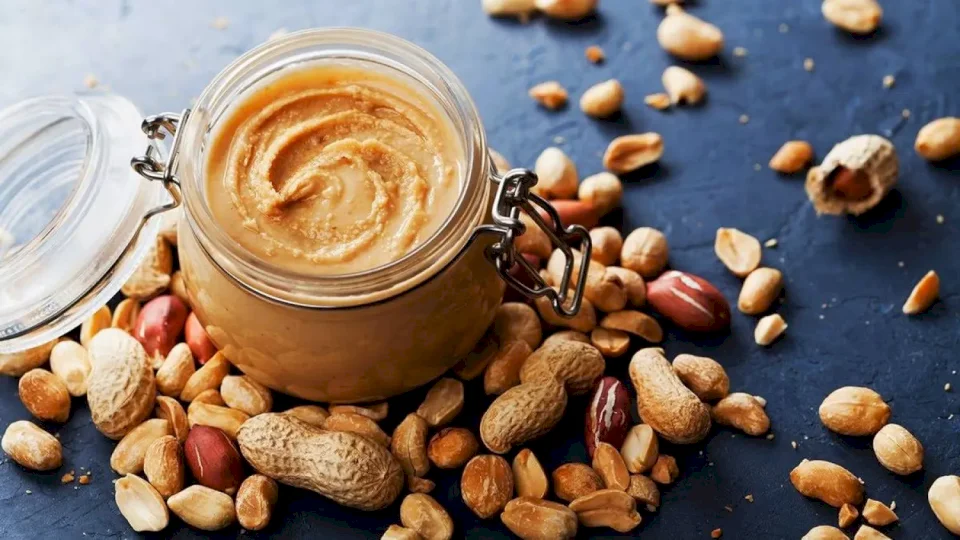
Hope for Peanut Allergy Treatment... From the Microbiome
SadaNews - In a discovery that may open a new door for peanut allergy treatment, researchers found that some natural bacteria in the mouth and intestines can "disable" the proteins responsible for severe allergic reactions.
The study, published in the journal Cell Host & Microbe, identified two types of microbes, Rothia and Staphylococcus, that have the ability to break down peanut proteins that trigger the most dangerous forms of allergy, known as anaphylaxis.
Allergies occur when the immune system treats a harmless substance as a threat. In the case of peanut allergy, the body produces large amounts of IgE antibodies when exposed to specific proteins such as Ara h 1 and Ara h 2.
This reaction can lead to throat swelling, a severe drop in blood pressure, difficulty breathing, and possibly a life-threatening anaphylactic shock.
It is estimated that about 2% of the population in Europe and the United States suffers from peanut allergy, with higher rates among children.
An Unexpected Role for the Microbiome
In the clinical study, researchers followed 19 children aged between one and 14 years old, who were undergoing oral immunotherapy aimed at gradually reducing their sensitivity to peanuts.
Before starting the treatment, scientists analyzed the bacterial composition in the children's saliva. The results showed that children with higher levels of Rothia bacteria and related bacterial groups exhibited a greater ability to tolerate peanut exposure and had less severe allergic reactions.
In contrast, the more sensitive children had lower levels of these bacteria.
Laboratory experiments demonstrated that these microbes can break down Ara h 1 and Ara h 2 proteins before the immune system can react to them.
In experiments on genetically engineered mice prone to peanut-induced anaphylaxis, administering large doses of Rothia bacteria significantly reduced the severity of the allergic reaction.
In other words, these microbes reduce the amount of "triggers" the immune system faces, alleviating the excessive response.
Despite the encouraging results, researchers emphasize that the human study is still observational; that is, it shows a correlation rather than direct causation. It is still too early to say that specific probiotic supplements could treat allergies or that modifying the microbiome would be a safe alternative to immunotherapy. However, the results suggest that oral and gut microbes could be indicators of allergy severity and a future assisting factor in reducing the risk of acute reactions.
This discovery reinforces the growing idea that the microbiome (the community of microorganisms within our bodies) plays a pivotal role in regulating immunity. The future of allergy treatment may not only rely on avoiding dangerous foods but perhaps on modifying the microbial environment within the body to reduce the severity of immune responses; "taming" the immune system rather than just confronting it.
 Follow the latest Sada News via Google News
After Deschamps' Departure... Zinedine Zidane Tops the Candidates to Lead France

Mbappe Surpasses Messi and Becomes the All-Time Top Scorer in the World Cup

England Defeats France and Achieves Largest World Cup Achievement Since 1966

Messi Refused to Play for Spain and Missed 3 World Cups

Publishers Sue Google for Allegedly Using Books to Train Artificial Intelligence

Google Expands Capabilities of Google Search Console to Support Social Media Accounts

The Mediterranean Table... An Ancient Diet Revealing Its New Secrets for Health and Longev...
