

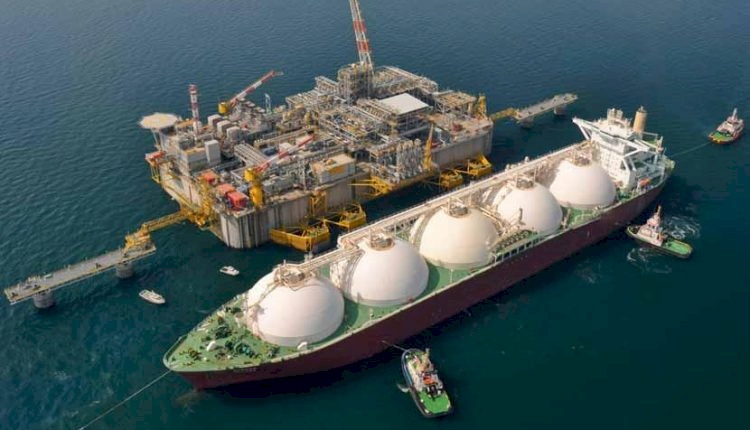
Hundreds of Tankers Pile Up in the Gulf as War Escalates
SadaNews - At least 150 oil and liquefied natural gas tankers have come to a halt in open waters in the Gulf outside the Strait of Hormuz, as military confrontations escalate following American and Israeli strikes on Iran, threatening a widespread disruption in global energy supplies.
Estimates based on vessel tracking data from the "MarineTraffic" platform indicate that the tankers, including ships loaded with crude oil and liquefied natural gas, are anchoring off the coasts of major oil-producing countries including Iraq, Saudi Arabia, and Qatar, while dozens of other vessels have halted on the opposite side of the strait.
This coincides with the "OPEC+" alliance's approval today to increase oil production by 206,000 barrels per day starting next April, amidst concerns that the conflict stemming from the American and Israeli strikes on Iran could impact crude supplies.
Simultaneous Security Incidents
In a parallel development, the British Maritime Trade Operations, based in Dubai, reported that a vessel was attacked with a projectile "whose nature is unclear" 50 nautical miles north of Muscat. The agency explained that the attack resulted in a fire in the engine room, which "was later controlled," marking the second incident reported today after a similar incident off the port of Kamsar in Oman in the Strait of Hormuz.
Iranian television also reported the sinking of an oil tanker after attempting to cross the strait, without providing further details regarding the circumstances of the incident or the ownership of the vessel.
A Vital Strait Under Pressure
The Strait of Hormuz represents the most critical artery for global oil trade, linking major producers in the Gulf, including Saudi Arabia, Iran, Iraq, and the UAE, to the Gulf of Oman and the Arabian Sea. A significant percentage of crude oil and liquefied natural gas exports to Asia and Europe pass through it.
Tehran has previously threatened to close the strait in response to any military attack, heightening fears of an escalation leading to a global energy crisis.
Potential Impacts on Markets
The stoppage of such a number of tankers puts direct pressure on supply chains, increasing shipping and marine insurance costs, as markets closely watch for any signs of actual disruption in crude flows. Traders in oil and gas markets are awaiting developments in the coming hours to assess whether the stoppage is a temporary precaution or the beginning of broader disruptions in navigation.
As military tensions continue, the Strait of Hormuz remains at the center of the scene, with growing fears that any further escalation could push the region into a wider confrontation that would directly impact global energy markets.
 Follow the latest Sada News via Google News
The World Bank Warns: "The Worst-Case Scenario" for Global Growth is Approaching

Trump Prepares to Impose New Tariffs on Dozens of Economies

Gold Surpasses $4,100 as Selling Pressure Eases

Oil Rises for the Fourth Day as Supply Risks Escalate

An Additional $8 Billion.. A New Account from the Pentagon on the Cost of the War with Ira...

London Stock Exchange Enters the Era of 24/7 Trading

Shamaran Petroleum: Suspension of Oil Production in Duhok Fields in the Kurdistan Region o...
