

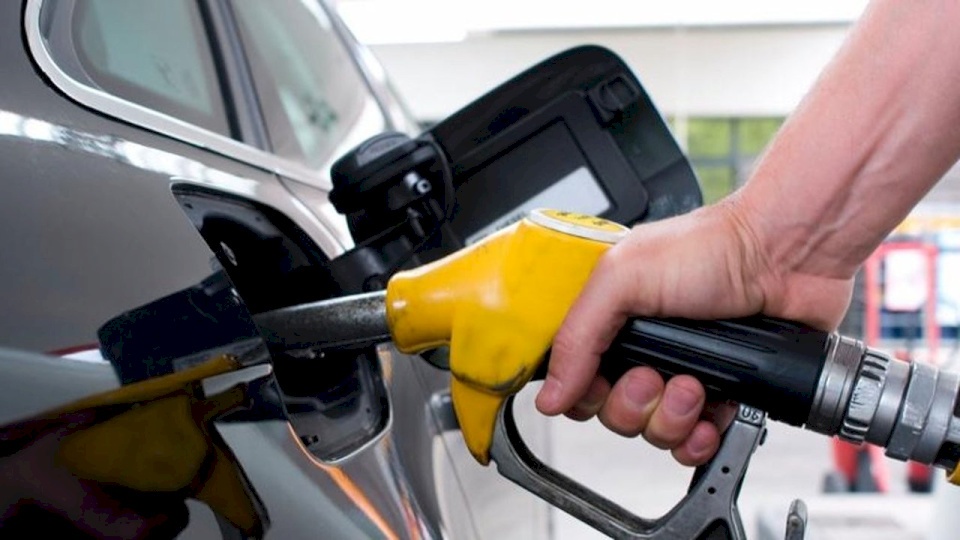
Predictions of a 12.5% Increase in Gasoline Prices in Israel Next Month
SadaNews Economic Translation - If the Israeli Ministry of Finance does not decide to reduce the production tax, the fuel price is expected to rise by 12.5% next month to reach around 7.90, according to estimates from the Israeli Institute of Energy and Environment, which represents oil and fuel companies. This increase is due to rising oil prices and improvements in the currency exchange rate. Chen Herzog, the chief economist at BDO, also expects a similar price level at 7.85.
According to SadaNews Economic Translation, fuel prices in Israel are regulated and mainly consist of taxes (value-added tax and customs duties on fuel), while the main variable that changes monthly is the price of fuel in the Mediterranean region, which is affected by global oil prices. Naturally, this price rose significantly over the past month due to the war with Iran, reaching 109 dollars per barrel of Brent crude, which is an increase of tens of percent from about 70 dollars on the eve of the war and around 60 dollars at the beginning of the year. Prices are updated monthly based on the last five working days of each month, with the current Friday being the last day before the price update at the end of the month.
The fuel price affects not only the cost of fueling private vehicles but also impacts trucking and air transportation costs, which in turn affects the prices of all goods - and consequently inflation.
When fuel prices sharply rose in 2022 following the Russian invasion of Ukraine, the Israeli Ministry of Finance chose to temporarily reduce the selective tax on fuel, thus "supporting" and lowering prices to avoid a sharp increase. To date, several factors still support this decision, which is backed by Energy Minister Eli Cohen.
On the other hand, we are on the brink of an expensive war, for which a special budget of tens of billions of shekels has already been approved, in addition to the growing security budget. Therefore, the Israeli Ministry of Finance is not in a hurry to approve tax cuts that would exacerbate the deficit we are experiencing, which is expected to exceed 5% of GDP.
Chen Herzog, the chief economist at BDO, adds that "the volume of gasoline consumption in Israel last month was about 60,000 barrels per day. Oil prices and refining margins have risen since the beginning of the war by about 50 dollars per barrel, with gasoline prices increasing even more than oil prices due to more severe bottlenecks in the global petroleum derivatives market."
He also noted that the closure of some gas tanks due to concerns about their damage is also expected to have an impact: "It is worth noting that as part of natural gas production in Israel, condensate crude oil is also produced. The closure of the Karish and Leviathan tanks has led to an estimated production loss of about 20,000 barrels of condensate per day. In other words, a third of local gasoline consumption could be supplied from local sources if production is reopened in Karish and Leviathan."
Source: Globes Economic Newspaper
 Follow the latest Sada News via Google News
Soaring Oil Prices Burn the Pockets of the Palestinian Citizen "The Poor"

Millions of Dollars in Losses.. "SadaNews" Reveals Shocking Figures for Traders from Pales...

The Problem of Shekel Overcrowding Worsens.. Fuel Station Owners Threatened with Closure o...

The Palestinian Economy at a Crossroads: 4 Files Awaiting Resolution

Inflation Expectations in Israel Stabilize at 1.5%

Ministry of Economy Announces the Opening of Import Application Submissions for Commodity...

Relative Stability of the Dollar Near 3.04 Shekels and Predictions of Returning Inflationa...
