

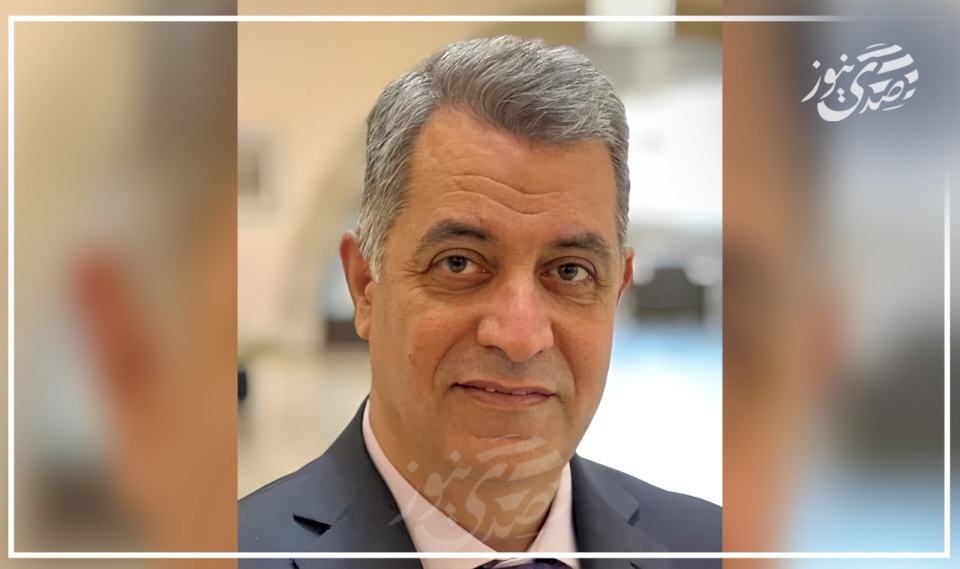
My Friend ... and Ibn Rushd in Hebron
My returning friend surprised me while I was ordering a drink, as is my weekend evening habit, by loudly requesting my glass of tea from the waiter, and began our conversation with a direct question: "Do you know the most famous square in the city of Hebron?" I replied with what I know about Hebron, specifically the most important landmark: "The Ibrahimi Mosque," and I also know its good people, including traders, scholars, intellectuals, and those with much goodness. With a gesture of anger, he told me that it is the second most famous religious site in Palestine, but I was asking about a vital landmark in the city, which is Ibn Rushd Square.
I answered him that in addition to the square, there is a school; it might be one of the oldest and most prestigious schools in the city, established at the beginning of the 1940s. I added that it usually carries names given by the locals and their rulers, inspired by politicians, philosophers, intellectuals, and benevolent people who build these schools or to preserve their legacy and status. He interrupted me, understanding that, but the naming of Ibn Rushd carries connotations and meanings: "Isn't everything entitled to its name?" He was a philosopher who unleashed the reason in the levels of thought, not only accepting analysis and interpretation but also moving towards the interpretation "the connotations and meanings" in the text - I thought to myself that I didn't understand his intention, but I would follow his talk in hopes of grasping the meaning of his conversation or what he was weaving - and the exercise of reason also means accepting duality; the idea and its opposite, or support and opposition, that is, accepting the other. Not to mention that this square is a space for expressing opinions, disagreement, rejection, protest, and others that indicate duality in society and the state.
My friend added, "Haven't you heard about the establishment of the Committee for the Promotion of Virtue and the Prevention of Vice in the city of Hebron after holding several meetings in the city with some personalities?" I told him I had heard, for the freedom of assembly and gathering is guaranteed by law and no one has the right to touch it, nor should you oppose it. My friend retorted, "I share your opinion on this point, but haven't you seen that the establishment of a committee to enforce a specific direction contradicts the freedom you speak of and hold onto? Isn't this against the philosophy of Ibn Rushd regarding the landmarks of the city, and its educational institutions based on reason, 'for there is no knowledge without reason'?"
I said to my friend, "The difference between freedom of expression in its translations, paths, and forms from writing to rejection by protest 'which is a right for all citizens regardless of orientations, inclinations, and beliefs' and violating what the law has drawn; such as inciting employees not to implement the law or preventing citizens who have permits or licenses from practicing their professions and work, the citizens have the right to call for the repeal of the law, but they do not have the right to violate it or prevent its application. It is also the right of the government 'which alone possesses the legitimacy to use force' to enforce the law on everyone without discrimination."
As he was rising from his seat, he said that the government has abandoned its right or duty in this aspect. I replied, "What of the government and social organization?" He angrily answered, "Did we not delegate it in the social contract to protect the rights of all citizens, enforce the law, and ensure the safety of those who have permits and comply with its instructions?" I replied, "Yes, that is correct." He immediately responded that the interventions we see from political and tribal forces with specific religious orientations try to impose a reality by regulating the behavior of society according to their whims, indifferent to the plurality and diversity protected by the basic law and the application of reason according to Ibn Khaldun's principles in the city of Hebron, and stripping the government of its powers and authorities. I thought to myself that I did not understand what my returning friend wanted: to destroy the attributes of Ibn Rushd or to reconsider the status of the state, urging the government to intervene before collapse, or inciting the exercise of reason and acceptance of diversity and multiplicity in society; for the meaning is in the belly of the whale, as they say, or the intent in my returning friend's mind.
 Follow the latest Sada News via Google News
When Indicators Fail to Narrate the Palestinian Economy

The Tale of a People Who Refused to Believe the Well

What Does the Supreme National Interest Mean for Palestinians? And How Can It Be Achieved?

The Wronged Ramallah

Between Pragmatism and Survival Management: Where Does Hamas Go After the Election of Khal...

Khalil Al-Hayya as President of Hamas.. Continuation of the Founders' Approach

The Annihilation of Sportsmanship
