

Articles
The Legal Justification for Targeting US Military Bases in the Gulf - An Approach in International Law-
It is well known in international custom and law, as stated in international agreements regarding this matter, especially the Status of Forces Agreement (SOFA), that the military bases of any country in other nations are part of the army and sovereignty of the country that owns these bases and are subject to its law. The host country cannot enter these bases or intervene in how they use their military capabilities and the entities they target. Based on this principle, the American military bases – even embassies – abroad, including in Gulf states, are part of Washington's sovereignty and not the sovereignty of Gulf countries. Moreover, these bases operate in favor of Washington and not for the benefit of the host nations, particularly when they are involved in wars that Washington conducts without permission from those countries; therefore, targeting them is an attack on American sovereignty and the American military, not on the sovereignty of the Gulf nations.
Thus, we are astonished by the uproar surrounding Iran's bombardment of American military bases in Gulf countries in response to the war being waged against it by Washington and Tel Aviv, especially since attacks on Arab countries have launched from these bases. They have not even protected the countries housing them; for example, they did not protect Riyadh from the Houthi missiles launched from Yemen, nor did they protect Qatar when Israeli planes attacked it targeting Hamas leadership. Furthermore, the UAE was not assisted in reclaiming its three islands – Greater Tunb, Lesser Tunb, and Abu Musa Island – which were occupied by Iran in the early seventies. In addition to this, some of these bases participated in the war against the Palestinian people and in the genocide and ethnic cleansing in the Gaza Strip.
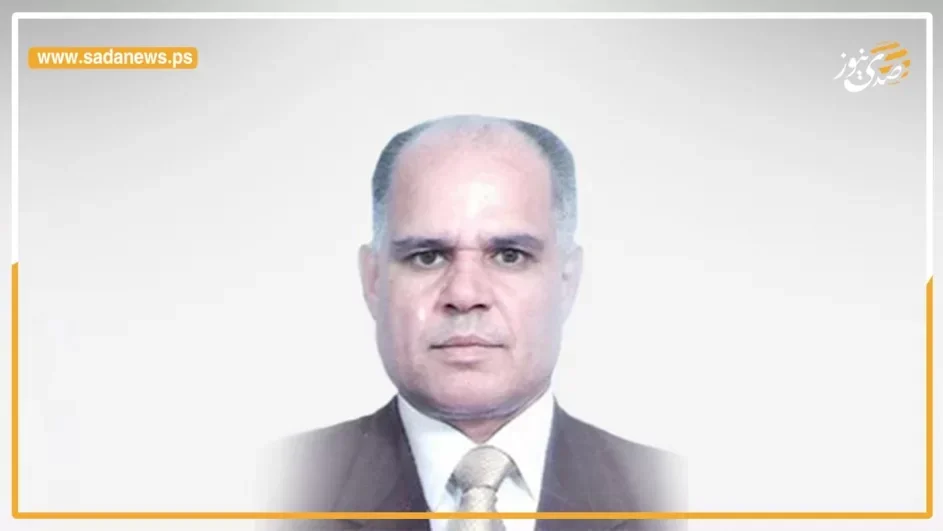
This article expresses the opinion of its author and does not necessarily reflect the opinion of Sada News Agency.
 Follow the latest Sada News via Google News
Read Also

What Does the Supreme National Interest Mean for Palestinians? And How Can It Be Achieved?

The Wronged Ramallah

Between Pragmatism and Survival Management: Where Does Hamas Go After the Election of Khal...

Khalil Al-Hayya as President of Hamas.. Continuation of the Founders' Approach

The Annihilation of Sportsmanship

Until When Will the Palestinian Citizen Pay the Price of an Endless Phase?

7-10 Billion Shekels.. The Bill for the Absent Worker from Brussels
