

Does Ending the Iran War Give Kevin Warsh an Opportunity to Avoid Raising Interest Rates This Year?
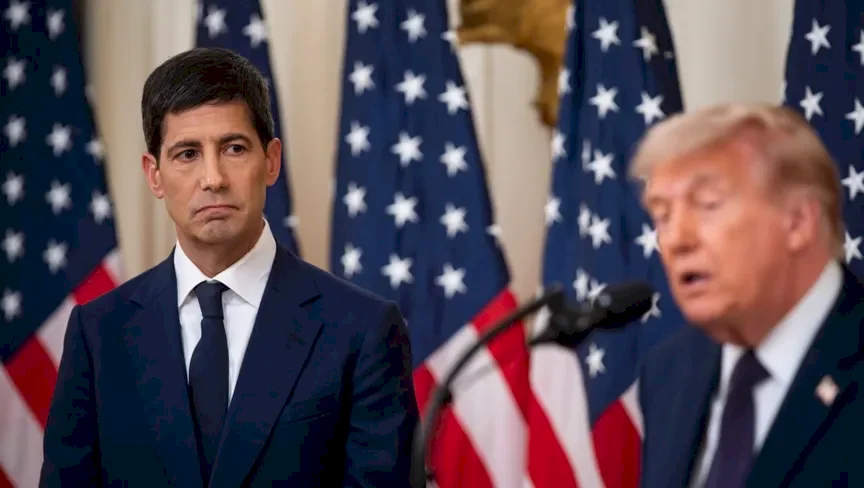
SadaNews - The new chairman of the U.S. Federal Reserve, Kevin Warsh, may be one of the most prominent beneficiaries in the economic world from halting military operations between the United States and Iran and the imminent reopening of the Strait of Hormuz.
The announcement of the completion of the memorandum of understanding between the two sides, which includes the resumption of normal navigation in the strait, came three days before the first decision of the monetary policy committee led by Warsh on Wednesday, amid expectations that he might have to adopt a hawkish tone regarding inflation, which could indicate the likelihood of raising interest rates by the end of the year, potentially putting Warsh in conflict with the White House, which is calling for an immediate rate cut.
Room for Maneuver
However, ending military operations and the decision to restore navigation through the Strait of Hormuz may give Warsh some room to maneuver or an opportunity to assess whether the inflation caused by rising energy prices has indeed peaked without necessarily facing accusations about his credibility. Before the announcement, economists had anticipated keeping interest rates unchanged but removing any indication of a potential cut later this year from the committee's statement.
Trump's announcement, which was confirmed by Iran, led to a drop in U.S. crude oil prices by 4.7% to $80.89 per barrel by 1:18 AM London time on Monday, compared to a peak price of $112.95 on April 7. Meanwhile, Brent crude fell 4% to $83.78 per barrel.
Although the inflation rate rose to its highest level in three years last week, "Bloomberg Economics" noted in a recent report that the decrease in the core inflation rate, which typically excludes energy and food prices, could give Warsh an opportunity to avoid focusing on the monetary policy path on Wednesday during his first press conference as Chairman of the Central Bank.
Premature Optimism?
On the other hand, optimism about the memorandum of understanding and its impact on energy flows through the strait may be a bit premature in light of the absence of any specific details about the document, according to statements by Ben Cahill, a non-resident researcher at the "Atlantic Council" during an interview with Bloomberg Television on Monday morning.
Cahill added that global oil markets have some time to recover from the effects of the largest energy shock in history.
Chian Wang, chief economist for the Asia-Pacific region at "Vanguard" indicated expectations that inflation may end this year above the Fed's target of 2% for the sixth consecutive year.
The Fed is not the only central bank facing a significant decision regarding interest rate paths, as the "Bank of Japan" precedes it on Tuesday, with expectations of a 25 basis point increase to 1%. Economists also expect the "Bank of England" to keep interest rates unchanged at 3.75% on Thursday.
 Follow the latest Sada News via Google News
Does Ending the Iran War Give Kevin Warsh an Opportunity to Avoid Raising Interest Rates T...

Shipowners Await Clarity on Hormuz Agreement as 600 Tankers Prepare to Depart

Gold and Silver Prices Witness Slight Increase After Agreement Between Iran and America

Oil Prices Fall After Agreement Between America and Iran and Opening of Hormuz

Jordan's Central Bank: Total remittances to the Kingdom increased by 13.3% during the firs...
Gold prices hit near $4,219 an ounce

100 Days After the Iran War: The Federal Reserve and Bank of England Balance Between Infla...
