

Shipowners Await Clarity on Hormuz Agreement as 600 Tankers Prepare to Depart
SadaNews - The agreement that could lead to the reopening of the Hormuz Strait in a matter of days has been received with caution by shipowners and traders, many of whom stated that they would wait for more details to assess the likelihood of ensuring safe passage, following months of failed attempts.
This waterway, a vital artery for global oil and gas trade, has been at the heart of the conflict since its inception, and the urgent need to resume navigation has been a key focus of peace negotiations.
Iran's tightening control over the strait, coupled with the U.S. blockade, has caused unprecedented disruption in global energy trade, effectively isolating some of the world's largest producers and forcing even major players to resort to 'dark' transit routes where tracking devices are turned off.
Ambiguity Surrounding the Implementation of the Hormuz Agreement
However, the temporary solution announced by the United States and Iran, along with U.S. President Donald Trump's statement that the strait would reopen on Friday upon the signing of the agreement, has raised widespread questions in the sector about how this will practically be implemented on the ground.
Given the limited information available so far, the strait saw limited activity during the early hours of Monday following the news, except for the liquefied natural gas tanker 'Disha', which appeared to be testing the situation as it headed toward Hormuz.
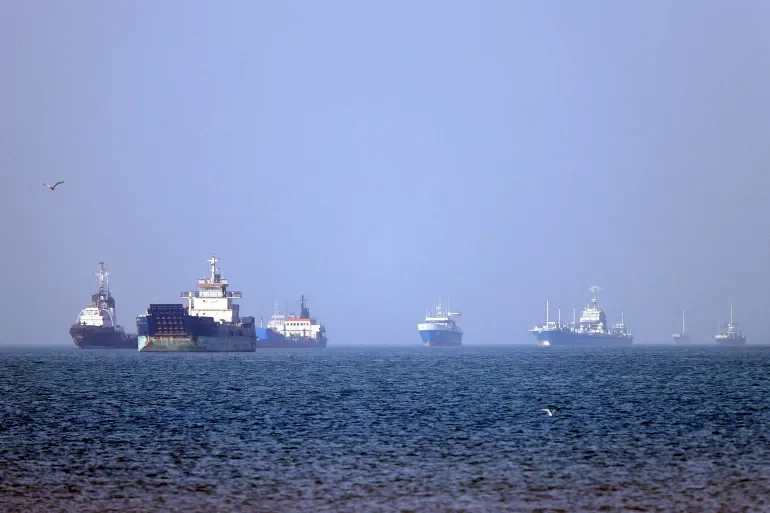
About 600 ships remain stranded in the Arabian Gulf awaiting to sail, while hundreds of other empty vessels lie idle on the opposite side awaiting transit, according to data from 'Kpler'.
Challenges in Resuming Operations in the Hormuz Strait
While reopening the strait may theoretically allow for the flow of millions of barrels of oil, practical challenges will remain, ranging from simple maintenance work on ships, such as removing barnacles stuck to their hulls, to congestion in the narrow shipping lane.
The total number of ships listed in the data may change with the addition of more vessels that have turned off their tracking devices to the statistics.
 Follow the latest Sada News via Google News
Shipowners Await Clarity on Hormuz Agreement as 600 Tankers Prepare to Depart

Gold and Silver Prices Witness Slight Increase After Agreement Between Iran and America

Oil Prices Fall After Agreement Between America and Iran and Opening of Hormuz

Jordan's Central Bank: Total remittances to the Kingdom increased by 13.3% during the firs...
Gold prices hit near $4,219 an ounce

100 Days After the Iran War: The Federal Reserve and Bank of England Balance Between Infla...

Gulf Investors Make a Difference in the Largest IPO in 'Wall Street' History
