

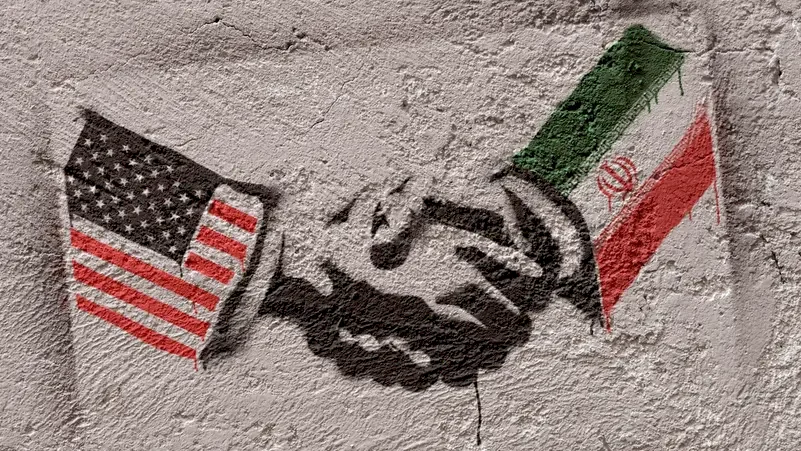
America and Iran Reach a Comprehensive Peace Agreement
SadaNews - The announcement of a peace agreement between the United States and Iran has concluded one of the most tense crises in the region in recent months. The announcement came on Sunday evening from Pakistani Prime Minister Shahbaz Sharif, who confirmed the success of intense mediation that led to an agreement between the two sides, before U.S. President Donald Trump announced his approval of the agreement, while Tehran also confirmed the signing of a memorandum of understanding to end the war and move to a new phase of negotiations.
The military confrontation broke out on February 28, before a temporary ceasefire succeeded on April 8 in containing the escalation and opening indirect communication channels under the auspices of regional and international mediators.
In the past few weeks, political and security communications between Washington and Tehran intensified, culminating in a preliminary understanding announced as a framework for stopping the war and transitioning to more comprehensive negotiations.
What are the main terms of the agreement?
The agreement includes an immediate and permanent cessation of military operations between the two sides, in addition to ending the maritime blockade imposed on Iran and reopening the Strait of Hormuz to navigation.
It also stipulates the launch of a series of preparatory meetings supervised by mediators during this week, in preparation for technical and political talks that will culminate in a formal signing ceremony in Switzerland on June 19, with final negotiations lasting 60 days.
According to American sources, the agreement faced a tough test hours before its announcement, after an Israeli airstrike on the southern suburb of Beirut raised fears within the U.S. administration of a collapse of the understanding and a return to military escalation, according to what was reported by CNN.
According to CNN, these developments pushed Washington to intensify its communications with Qatari mediators and Iranian officials to ensure there would be no military response and to maintain the course of negotiations, while U.S. Vice President J.D. Vance confirmed that the administration received assurances from the Iranian side of no escalation and progress toward signing the agreement.
American sources also indicated that President Donald Trump expressed displeasure with the Israeli strike, considering that any additional escalation would undermine the diplomatic efforts that had lasted for months.
The agreement represents a political framework to stop the war more than a final settlement, as preparatory rounds for arranging technical files will begin this week before transitioning to negotiations that will last two months and include nuclear, security, economic issues and maritime arrangements in the Gulf.
In return, Trump confirmed that the agreement does not mean an end to pressures on Tehran, warning that failure to reach a final agreement on the nuclear program would bring the option of military action back to the forefront, while Iran describes the agreement as solidifying a permanent ceasefire and paving the way for a new phase of relations with Washington.
While the agreement opens a window to reduce tensions in the Middle East, its success will depend on the extent to which both parties adhere to their commitments and their ability to overcome the most complex issues during the upcoming negotiation rounds.
 Follow the latest Sada News via Google News
Europe Opens the Door to Easing Sanctions on Iran After Peace Agreement

Martyr Due to Israeli Targeting in Al-Zawayda, Central Gaza Strip

Netanyahu to Trump: We are not obligated by the agreement and will not withdraw from Leban...

America and Iran Reach a Comprehensive Peace Agreement

Weather: Clear, Moderate and Hot Conditions

Will Iran refrain from attacking Israel in exchange for concessions from Trump?

Iran Holds America and Israel Responsible for Escalation in the Region
