

From the Andalusian Tolerance to Migration Challenges: A Book Deciphers Religious Dialogue in the Mediterranean Basin
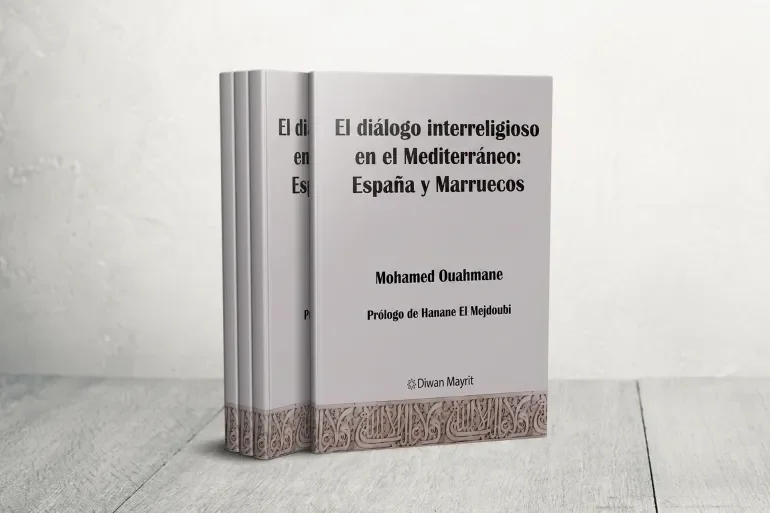
SadaNews - The book "Interreligious Dialogue in the Mediterranean: Spain and Morocco" by Moroccan researcher Dr. Mohamed Wahman sheds light on the issue of dialogue among religions in the Mediterranean space, with a specific focus on the religious and cultural relations between Morocco and Spain.
From Thesis to Practical Vision
The book, published in Spanish and the result of a doctoral thesis presented by the researcher, comes within an international context characterized by an increasing need to consolidate a culture of understanding and coexistence. It addresses the conceptual foundations of interreligious dialogue by defining the concepts of religion and dialogue, reviewing its theories and conditions, while highlighting the position of dialogue in the Islamic reference, and identifying the commonalities between the "monotheistic religions" as a possible ground for rapprochement.
Andalusia as a Reference for Tolerance
The book, signed at the international book fair in Rabat, also discusses the Mediterranean Sea as a historical space for interaction among civilizations and religions, which has witnessed throughout the ages various forms of coexistence alongside periods of tension, recalling in this context the experience of Andalusia as a prominent model of tolerance and cultural interaction, while highlighting the role of intellectual figures, foremost among them Ibn Rushd, in cementing the culture of dialogue and openness.
International Initiatives for Dialogue
The author traces the development of interreligious dialogue at the international level and the role of religious and intellectual institutions in enhancing rapprochement among peoples, in contrast to the challenges related to conflicts with religious backgrounds. In this context, the book points to the growing Arab initiatives aimed at consolidating dialogue, including the King Abdulaziz International Center for Interreligious and Intercultural Dialogue, and the Doha International Center for Interreligious Dialogue, which has become a regional platform for promoting understanding among adherents of different religions, alongside other initiatives that aim to spread the values of tolerance and coexistence.
Morocco and the Management of Religious Pluralism
The author dedicates a significant section to Morocco's experience in the field of interreligious dialogue, considering it a regional model in managing religious pluralism, through official and institutional initiatives, and international religious relations, including Pope Francis's visit to Rabat, which carries symbolic significance in supporting the culture of dialogue.
Religion and Migration Between Rabat and Madrid
The book addresses the religious dimension in the relations between Morocco and Spain, analyzing issues of migration, the management of religious affairs, and cooperation in confronting extremism, alongside the challenges facing this path amid the complexities of the regional and international contexts.
Dialogue as a Strategic Necessity
Mohamed Wahman asserts that dialogue among religions is no longer an intellectual option but an essential necessity to achieve peaceful coexistence in a multicultural world. The study also highlights the importance of integrating a culture of dialogue in education and enhancing comparative religious knowledge, contributing to the formation of open individuals capable of understanding others.
He also emphasized that the cultural dimension plays a crucial role in the success of dialogue by overcoming stereotypes and confronting manifestations of intolerance and extremism. In the international context, dialogue gains increasing importance amid conflicts and tensions, where it can help curb the use of religion in conflicts and promote values of peace.
 Follow the latest Sada News via Google News
You Are No Longer Bound to Your Computer.. OpenClaw Reaches Mobile Phones Amid User Compla...

Senegal and Congo as Examples: Why Do Teams Collapse in the Final Minutes?

Heat Waves: Why Do Some People Die While Others Survive?

How 'The Last Miracles' Was Born from Naguib Mahfouz's Story? The Film Director Reveals th...

Hollywood Enters the 'Microdrama' Race, Betting on Smartphone Audiences

6 Surprises Await You at Samsung's Upcoming Conference.. What Will the Company Reveal?

Combining the Flavor of Coffee with the Calm of Tea.. Can Hojicha Become a New Competitor...
