

Israeli Discussions Explore Ways to Tackle Rising Crime Against Banks and Their Employees
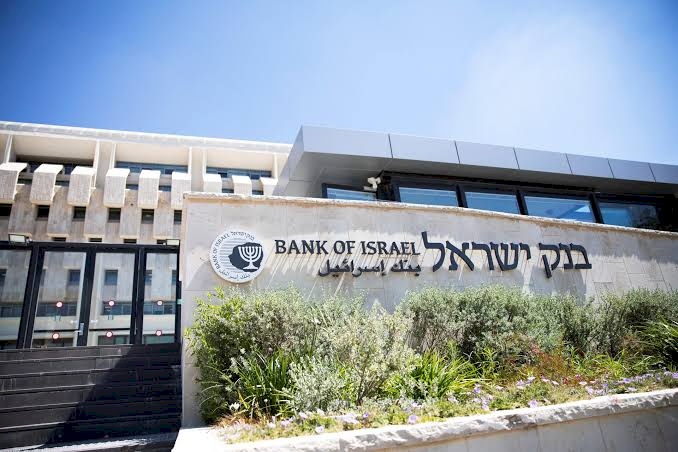
SadaNews Economy Translation - The Hebrew economic newspaper Calcalist revealed that an extraordinary meeting was held last week at the Bank of Israel headquarters in Jerusalem to discuss the rising threats posed by criminal organizations against bank branches and their employees in the Arab community, "Palestinians of the Interior."
According to the newspaper's site, as translated by SadaNews Economy, the meeting was attended by supervisory official Dani Hachyashvili, head of the Anti-Crime Authority in the Arab community Louis Kahlon, and senior officials from the banking sector, including executives from the five largest banks.
During the meeting, scenarios were presented in which criminal organizations exert direct pressure and threats on Arab employees in bank branches, forcing them to provide confidential financial information about clients, such as lists of clients whose current account balances exceed 100,000 shekels, with the aim of creating a fabricated dispute and extorting them.
The Israeli banking system fears that pressure on employees could lead to a scenario where a bank employee collapses under the weight of threats, allowing a criminal organization to infiltrate the bank's infrastructure, systems, and finances.
One scenario presented included throwing a hand grenade at a bank branch or incidents of shootings, which forced banks to protect their branches.
Other scenarios were proposed where criminals reached the branches and forced employees to agree to grant credit or open fictitious accounts used for money laundering, while employees refrained from reporting these unnatural activities out of fear for their lives.
Sources present at the meeting stated that the goal was to discuss possible solutions to curb this enmity if it occurs, with a structural solution suggested to enhance supervision and security protection by transferring sensitive decision-making processes and complex approvals to the headquarters or regional branch, alleviating pressure on local officials.
The possibility of strengthening the information exchange system and making legislative amendments with the Anti-Money Laundering Authority and the Tax Authority to prevent criminals from moving between banks after being excluded due to their criminal ties was also discussed.
These moves come in light of their importance and urgency following the data in the April report issued by the Chief Economist's Office at the Israeli Ministry of Finance, which indicates that excess crime costs the Israeli economy between 10 and 19 billion shekels annually, which represents about 0.5% of the total GDP of the economy and around 4% of the GDP of the Arab community alone. This was also translated by SadaNews Economy.
The Bank of Israel stated: The meeting addressed the impact of crime in the Arab community on the activities of bank branches, employees, and clients, and enhancing cooperation among the stakeholders.
 Follow the latest Sada News via Google News
Soaring Oil Prices Burn the Pockets of the Palestinian Citizen "The Poor"

Millions of Dollars in Losses.. "SadaNews" Reveals Shocking Figures for Traders from Pales...

The Problem of Shekel Overcrowding Worsens.. Fuel Station Owners Threatened with Closure o...

The Palestinian Economy at a Crossroads: 4 Files Awaiting Resolution

Israeli Discussions Explore Ways to Tackle Rising Crime Against Banks and Their Employees

Bringing in New Foreign Workers to Israel Instead of Palestinians

The Monetary Authority Organizes Training on Developing Financial Technology Systems and S...
