

This Type of Fat Turns Your Body into a Time Bomb
SadaNews - In the global discussion on obesity, attention often centers on total body weight. However, modern science provides a more complex and accurate picture, indicating that the issue lies not just in the quantity of fat, but in where it accumulates within the body.
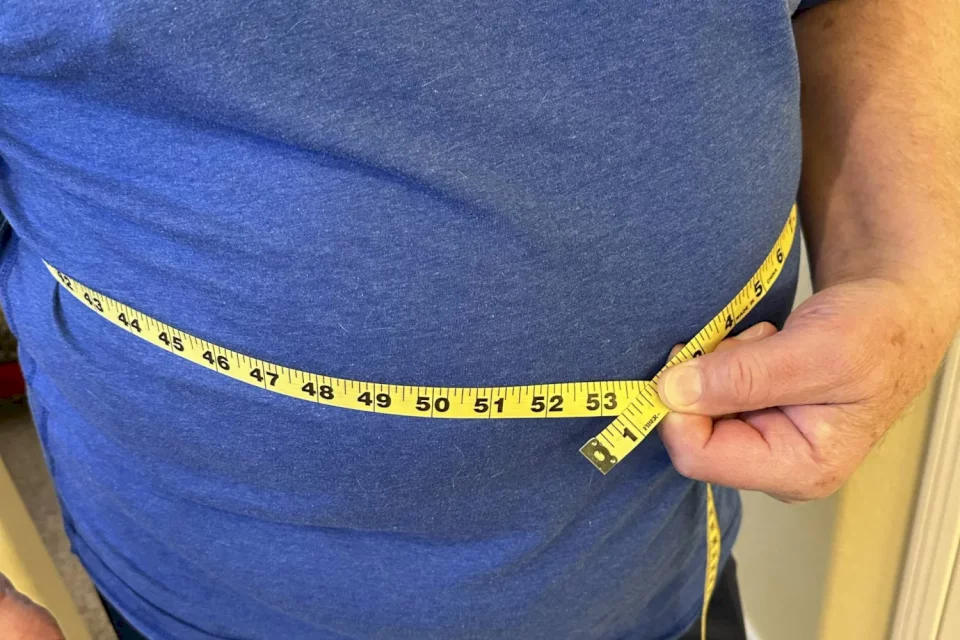
Research over recent decades has shown that fat accumulated in the abdominal area, known as central obesity, is much more dangerous than fat distributed in other areas.
This type of obesity is no longer just an aesthetic or superficial issue; today, it is considered one of the main drivers of what are known as cardiometabolic diseases, including hypertension, lipid disorders, type 2 diabetes, non-alcoholic fatty liver disease, heart diseases, and strokes.
A Different Type of Fat
Central obesity refers to the accumulation of fat deep within the abdominal cavity, surrounding vital organs such as the liver, pancreas, and intestines. This type of fat is known as visceral fat and is fundamentally different from subcutaneous fat.
While subcutaneous fat acts as an energy reserve, visceral fat behaves as an active hormonal organ, secreting fatty acids, hormones, and inflammatory substances directly into the bloodstream.
Due to its proximity to vital organs, these substances quickly affect the body’s normal functions, explaining their strong association with diseases.
The Hidden Driver of Cardiometabolic Diseases
Central obesity lies at the heart of what is known as cardiometabolic dysfunction, serving as a starting point for a chain of interconnected disorders affecting both metabolism and the cardiovascular system.
One of the first of these disorders is insulin resistance, where fatty acids released from visceral fat weaken the cells' response to insulin, hindering blood sugar regulation.
Over time, the pancreas fails to compensate, leading to gradually rising blood sugar levels and the onset of type 2 diabetes, often after years of silent changes. At the same time, central obesity causes a clear disruption in blood lipid balance, known as dyslipidemia.
This disorder is characterized by high triglycerides, low levels of good cholesterol (HDL), and increased small, dense particles of bad cholesterol (LDL), which are most likely to damage arterial walls. This pattern is one of the most dangerous factors accelerating atherosclerosis.
When Fat Turns into High Blood Pressure
Another direct result of central obesity is hypertension, which is not an incidental event but a result of the interaction of several biological mechanisms.
Visceral fat activates the sympathetic nervous system, increasing heart rate and causing the narrowing of blood vessels. It also stimulates the renin–angiotensin–aldosterone system, which is a hormonal system that leads to sodium and water retention in the body, raising blood pressure.
Additionally, fat accumulation around the kidneys can affect their function in regulating fluids, while chronic inflammation contributes to weakened vascular elasticity. Together, these factors lead to a sustained increase in blood pressure, posing risks to the heart, brain, and kidneys.
Non-Alcoholic Fatty Liver Disease
One of the most dangerous complications associated with central obesity is non-alcoholic fatty liver disease. With insulin resistance and increased flow of fatty acids from visceral fat, the liver begins to store them, leading to fat accumulation within it. Over time, this accumulation may progress to inflammation and damage to liver cells, eventually leading to fibrosis in advanced cases.
Today, fatty liver is viewed as the hepatic face of cardiometabolic diseases, given its close association with insulin resistance, lipid disorders, and an increased risk of heart disease.
Chronic Inflammation
All these disorders share a common factor: low-grade chronic inflammation. Visceral fat continuously secretes inflammatory substances that spread throughout the body, gradually damaging blood vessels, exacerbating insulin resistance, disrupting lipid balance, and contributing to increased blood pressure.
This silent inflammation is the hidden link that connects central obesity with the entirety of cardiometabolic diseases.
Why BMI is Not Enough
Body mass index (weight in kilograms divided by the square of height in meters) does not always reflect true health risks, as a person with normal weight may carry a high percentage of visceral fat, a condition sometimes known as normal-weight obesity.
Moreover, this index does not account for the ratio of lean mass to fat mass (bodybuilders can have a high body mass index without having a high fat mass).
Therefore, experts recommend relying on other measurements such as waist circumference or waist-to-height ratio, which are more accurate in assessing the risk of cardiometabolic diseases.
A Preventable Risk
Despite their dangers, central obesity remains a manageable condition. Visceral fat responds remarkably well to lifestyle changes. Regular physical activity, especially when combining aerobic exercises with strength training, helps reduce abdominal fat.
Additionally, following a diet rich in natural foods, fiber, and healthy fats contributes to improving metabolic balance. Good sleep and reducing stress play a crucial role in regulating hormones associated with fat accumulation.
Even small changes can lead to significant improvements in blood pressure, lipid balance, liver health, and cardiovascular risks.
Source: Al Jazeera
 Follow the latest Sada News via Google News
You Are No Longer Bound to Your Computer.. OpenClaw Reaches Mobile Phones Amid User Compla...

Senegal and Congo as Examples: Why Do Teams Collapse in the Final Minutes?

Heat Waves: Why Do Some People Die While Others Survive?

How 'The Last Miracles' Was Born from Naguib Mahfouz's Story? The Film Director Reveals th...

Hollywood Enters the 'Microdrama' Race, Betting on Smartphone Audiences

6 Surprises Await You at Samsung's Upcoming Conference.. What Will the Company Reveal?

Combining the Flavor of Coffee with the Calm of Tea.. Can Hojicha Become a New Competitor...
