

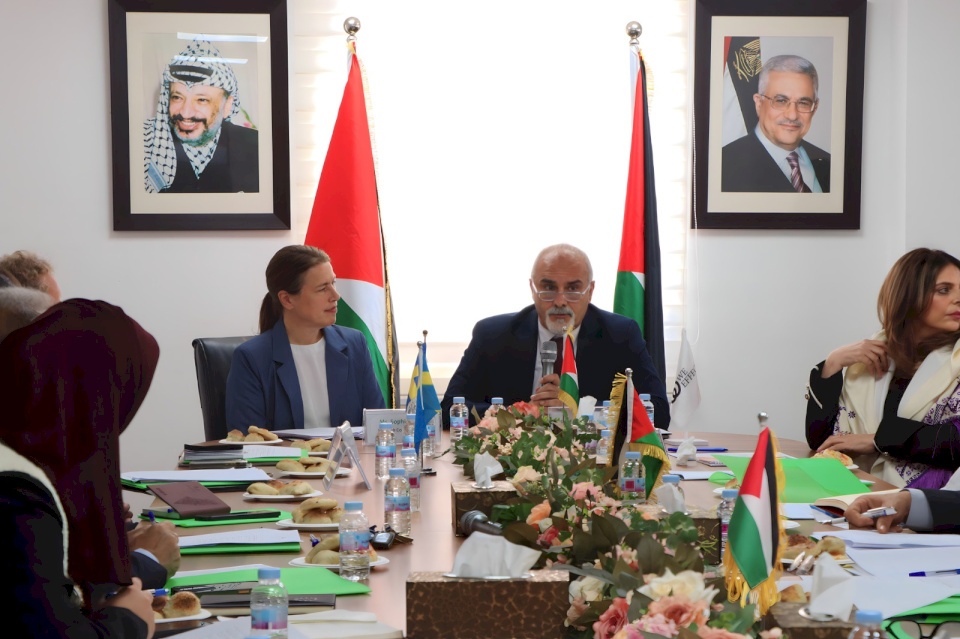
Ministry of Agriculture: Launch of the "Lift-Palestine" Agricultural Development Project Funded by Sweden Worth 7.5 Million Shekels in Several Governorates
SadaNews - The Ministry of Agriculture launched today, Wednesday, the "Lift Palestine - Livelihoods, Infrastructure, and Food Systems Transformation" program, in partnership with We Effect Foundation, funded by the Swedish Consulate in Jerusalem, with the participation of several civil and national institutions, in a ceremony attended by official figures and extensive national and international partnerships.
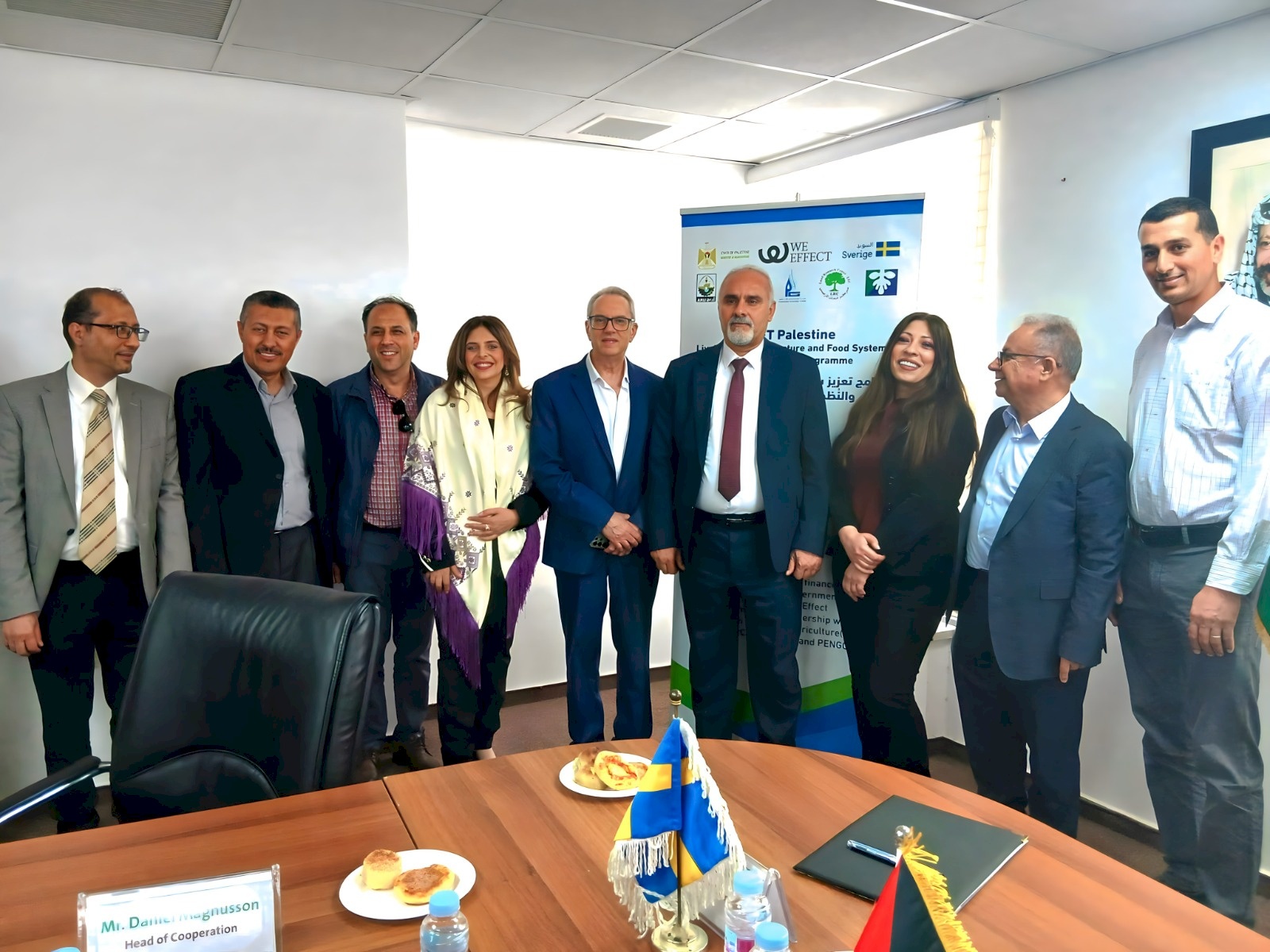
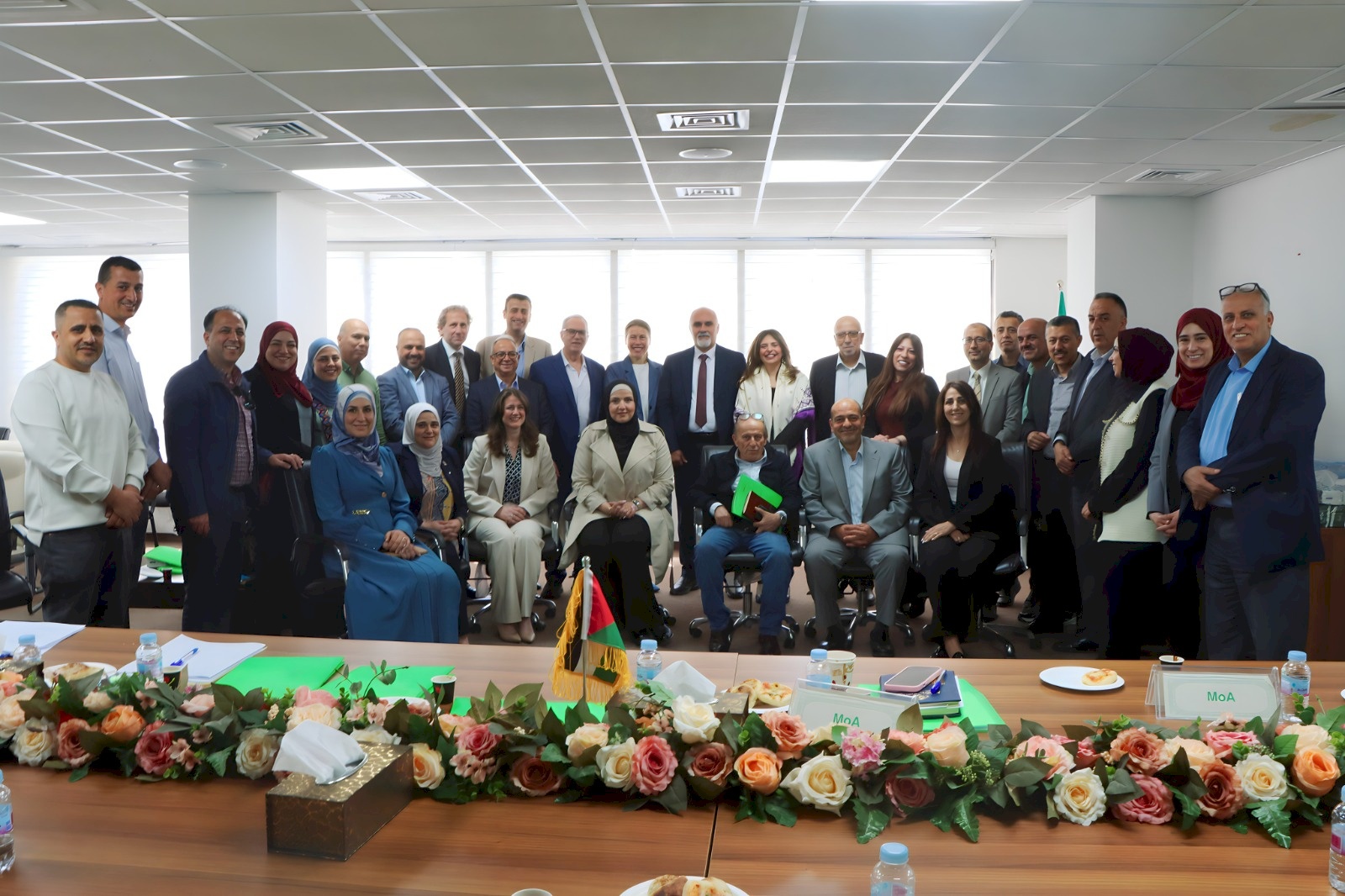
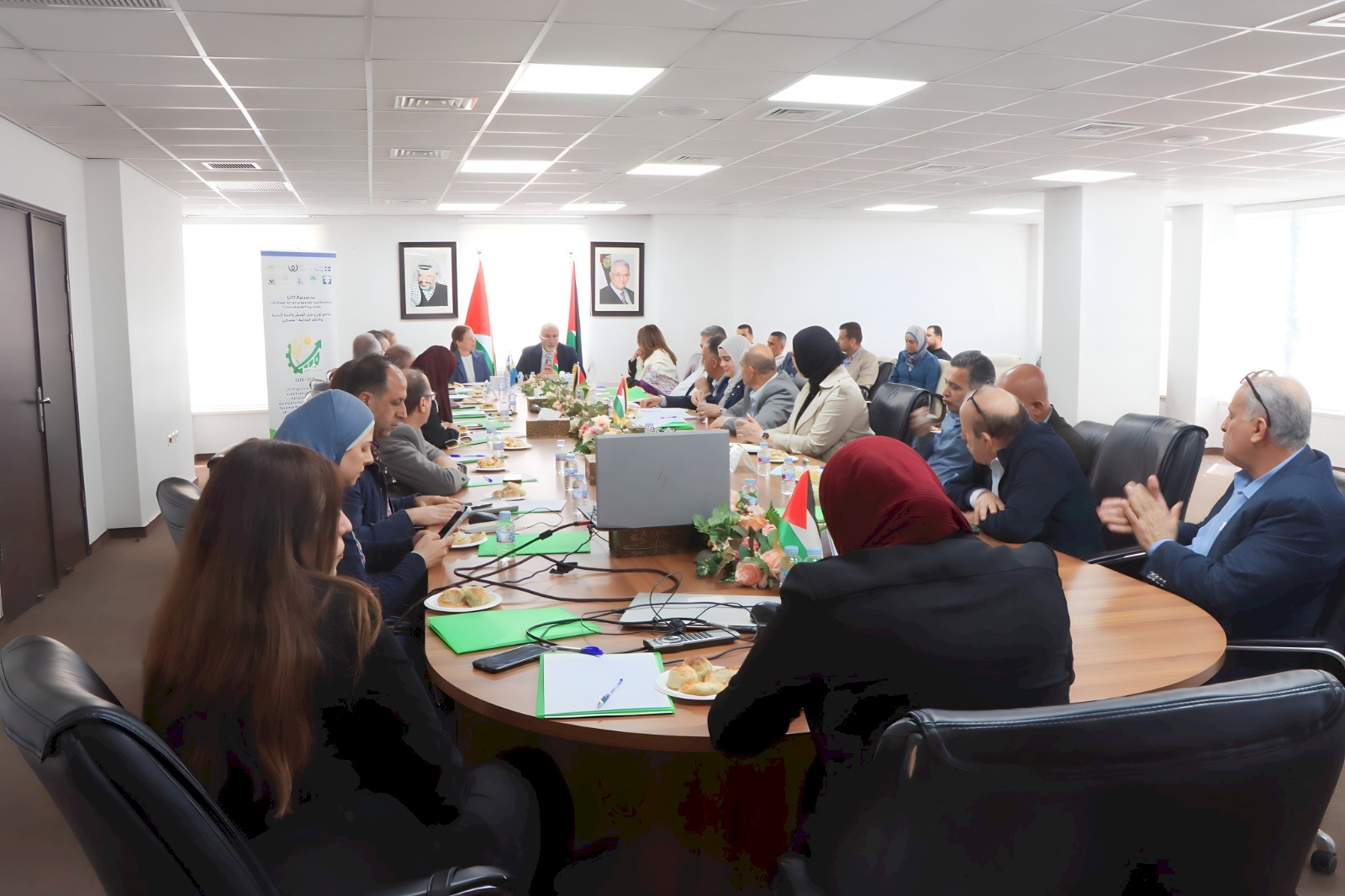
The program will be implemented from July 2025 until June 2029, with a total budget of 7.5 million shekels, targeting the governorates of Jenin, Salfit, Tubas, and Hebron, aiming to enhance the resilience of agricultural communities and improve their livelihoods.
The Minister of Agriculture emphasized in his speech during the launch ceremony that this program comes at a critical time, given the significant challenges facing the agricultural sector, asserting that "agriculture for us represents resilience and steadfastness, and it is the foundation for supporting farmers and enabling them to remain on their land and produce."
He indicated that the ministry has worked over the past months with partners to develop this program despite the difficult circumstances, stressing that the ongoing assaults on land and farmers require qualitative interventions to enhance their resilience, improve food security, and provide job opportunities and economic stability.
He added that the ministry focuses on developing agricultural infrastructure, enhancing local production, and supporting partnerships with national civil institutions, calling for an expansion of the program in the future to include additional areas, including the Gaza Strip, and to work towards transforming it into a comprehensive national program, emphasizing the importance of continuous monitoring and evaluation to ensure the desired impact is achieved.
The program aims to empower local communities to enhance their resilience and improve their livelihoods through the development of inclusive and sustainable food and agricultural systems that contribute to food security, economic stability, environmental sustainability, and enhancement of climate action and social justice.
The program includes two main interrelated outcomes, enhancing local communities' capacity for resilience and economic growth through the development and rehabilitation of sustainable agricultural infrastructure, and enhancing sustainable food production and livelihoods through climate-resilient agriculture.
It also includes implementing a package of interventions, the most notable of which are the development and management of water resources (traditional and non-traditional), land reclamation, improvement of irrigation systems and energy, in addition to supporting agricultural production, value chains, and food processing, and enhancing access to markets and financial services, with a focus on empowering women and youth.
The program is implemented through five main active parties: We Effect Foundation, the Palestinian Hydrologists Group (PHG), the Land Research Center (LRC), the Development Work Center/Together, and the Applied Research Institute – Jerusalem (ARIJ), in partnership and under the supervision of the Ministry of Agriculture.
For her part, the Swedish Consul General, Sophie Beker, confirmed that support for this program comes as part of Sweden's commitment to enhancing inclusive economic development in Palestine, noting that agriculture represents a fundamental pillar for food security and livelihoods, especially in light of challenges related to water scarcity and climate change.
At the end of the meeting, participants emphasized the importance of collaboration between various parties and joint efforts to ensure the success of the program and achieve a tangible impact in improving farmers' lives and enhancing their resilience on their land.
 Follow the latest Sada News via Google News
Lt. General Al-Natsha Undergoes Lengthy Interrogation at Moskobiya Regarding His Represent...

Sheikh Offers Condolences for the Martyrdom of Citizens in Deir Jareer

Ministry of Labor Calls for Registration in Licensed Private Vocational Training Centers a...

Occupation Forces Storm the Home of Major General Bilal Al-Natsheh in Jerusalem

The Working Group on Palestine of the Permanent Independent Human Rights Commission Issues...

Arrests in Occupation Attacks in the West Bank and Jerusalem

Ramallah and Al-Bireh Forces Mourn Al-Mughayer Martyr and Emphasize Popular Solidarity to...
