

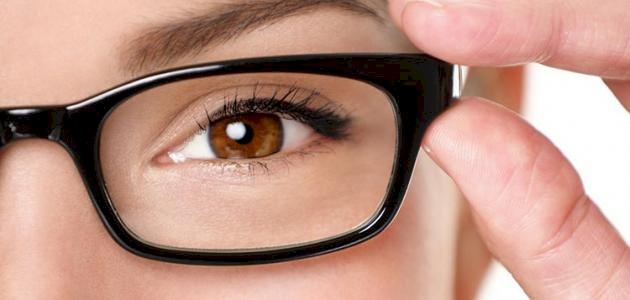
Avoid this daily habit as it may harm your eyesight
SadaNews - Our vision is affected as we age, with a decline in the ability to see clearly. However, there are many factors that affect visual sharpness beyond just age, according to the "Eating Well" website.
Dr. Liz Daniels, a member of the American Academy of Pediatrics, states: "Your daily habits can either protect your eyesight or work against it silently. Factors like spending long hours in front of screens are among the most common associated with vision impairment, but there is a surprising habit that is often overlooked: the amount of movement and physical activity you engage in."
She explained that your level of physical activity, or lack thereof, can silently affect your eyesight over time in multiple ways.
She noted that the retina is one of the most metabolically active tissues in the body, relying on movement and physical activity to maintain its health.
Mitochondria, which function as power stations within our cells, are particularly abundant in cells with high metabolic activity, such as retinal cells; these cells require large amounts of energy to function properly and to protect the eye from damage caused by factors like ultraviolet rays and pollutants.
She adds: "When individuals lack physical activity, mitochondrial function declines more rapidly over time, and levels of inflammation in the body increase compared to physically active individuals, which can lead to a decrease in energy production within the eye, reducing its ability to prevent visual damage or repair existing harm."
Daniels advises starting with at least 20 minutes of aerobic exercise daily, such as brisk walking around the house.
She highlighted that physical activity helps ensure proper blood flow throughout the body, including the eyes.
Physical inactivity is associated with a condition of "chronic low-grade inflammation," which in turn is linked to numerous diseases and health issues, such as diabetes and heart disease.
Dr. Niyoma Obaraji states: "Physical inactivity increases the severity of inflammation, which accelerates eye aging; it promotes the development of conditions like cataracts, macular degeneration, and retinal degeneration."
Dr. Obaraji also notes that patients who visit her clinic and spend longer hours in front of screens are more likely to experience low physical activity and inactivity.
She says this can lead to a reduction in the time an individual spends outdoors and limit their exposure to bright light, which has been shown to hinder eye growth. For example, reduced outdoor time is associated with the development and worsening of myopia, the medical term for vision impairment when close objects appear clear while distant objects appear blurry.
Daniels suggests that spending time outdoors under natural sunlight can help prevent this by encouraging looking at distant objects.
Additionally, an active lifestyle helps the body become more responsive to insulin, the hormone that helps regulate blood sugar levels. Conversely, a sedentary lifestyle can result in insulin resistance, where the body becomes less responsive to insulin and blood sugar control weakens in diabetic patients.
Obaraji states: "Insulin resistance and poor blood sugar control can lead to diabetic retinopathy and damage to blood vessels in the eye if blood sugar levels remain high for a prolonged period."
Studies have shown that individuals with type 2 diabetes and insulin resistance are at higher risk of vision impairment.
The website notes that while physical activity is one way to support vision, other healthy lifestyle habits also contribute to eye health, such as improved nutrition.
Obaraji emphasizes that key nutrients to focus on include omega-3 fatty acids, and vitamins A, C, and E.
Good sources of these nutrients include leafy green vegetables like spinach and kale, carrots, oranges, egg yolks, walnuts, and fatty fish like salmon, sardines, and mackerel.
Additionally, getting enough good sleep gives your eyes a chance to rest and recover; Daniels says that improving sleep quality supports the eye repair process, enhances healthy blood flow, and reduces inflammation—essential factors for maintaining eyesight health in the long term.
Obaraji pointed out that spending long hours using electronic devices is associated with a higher likelihood of developing myopia, both in children and young adults.
 Follow the latest Sada News via Google News
After Deschamps' Departure... Zinedine Zidane Tops the Candidates to Lead France

Mbappe Surpasses Messi and Becomes the All-Time Top Scorer in the World Cup

England Defeats France and Achieves Largest World Cup Achievement Since 1966

Messi Refused to Play for Spain and Missed 3 World Cups

Publishers Sue Google for Allegedly Using Books to Train Artificial Intelligence

Google Expands Capabilities of Google Search Console to Support Social Media Accounts

The Mediterranean Table... An Ancient Diet Revealing Its New Secrets for Health and Longev...
