

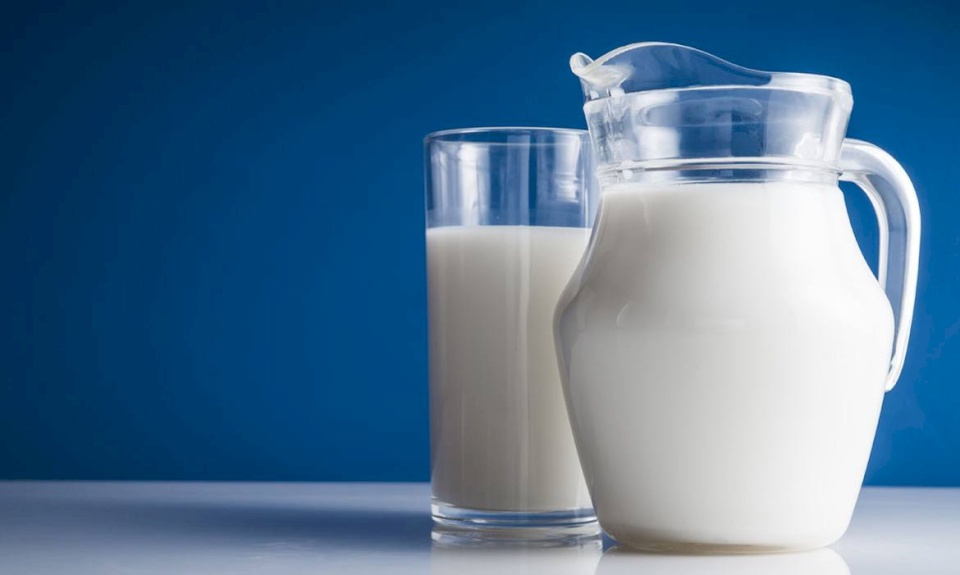
Recent Study Exonerates Milk from Causing Inflammation
SadaNews - Dairy products have long been associated with inflammation in health discussions, but recent evidence suggests a more balanced picture, even contradicting the common belief.
According to a report on Verywell Health, consuming dairy does not increase inflammation in most people; in fact, it may have a neutral or even slightly anti-inflammatory effect, especially with fermented products like yogurt and kefir.
Extensive analyses have shown that dairy consumption is associated with a decrease or stabilization of inflammation markers in the blood, such as C-reactive protein (CRP) and some other inflammatory molecules.
Some studies have indicated that specifically fermented products achieve a better effect, as these markers are reduced more noticeably compared to products like butter or cream.
Dairy is also an important source of potassium, a mineral indirectly linked to reducing inflammation, especially within a balanced diet.
Data also suggests that dairy may influence the immune system through the digestive tract, contributing to supporting the intestinal barrier and stimulating the production of immune compounds, which may reflect on overall health.
Does dairy actually cause inflammation?
Current evidence indicates that the answer is "no" for the majority of people. Dairy components like calcium, vitamin D, protein, and beneficial bacteria work together to support inflammatory balance in the body, rather than increasing it.
However, there are clear exceptions, as individuals with milk protein allergies are advised to avoid dairy completely. Those who are lactose intolerant may need to reduce their consumption or choose suitable alternatives.
The findings confirm that the effect of dairy varies from person to person, but overall, it does not pose a risk factor for inflammation in healthy individuals. In conclusion, dairy is not an enemy of inflammation as commonly thought, and it may provide mild benefits, especially when selecting fermented types, while considering individual differences and specific health conditions.
 Follow the latest Sada News via Google News
After Deschamps' Departure... Zinedine Zidane Tops the Candidates to Lead France

Mbappe Surpasses Messi and Becomes the All-Time Top Scorer in the World Cup

England Defeats France and Achieves Largest World Cup Achievement Since 1966

Messi Refused to Play for Spain and Missed 3 World Cups

Publishers Sue Google for Allegedly Using Books to Train Artificial Intelligence

Google Expands Capabilities of Google Search Console to Support Social Media Accounts

The Mediterranean Table... An Ancient Diet Revealing Its New Secrets for Health and Longev...
