

From Palestinian Red Crescent Centers to Displacement Areas: A Study Reveals the Secrets of the Spread of Epidemics and Scabies in Gaza
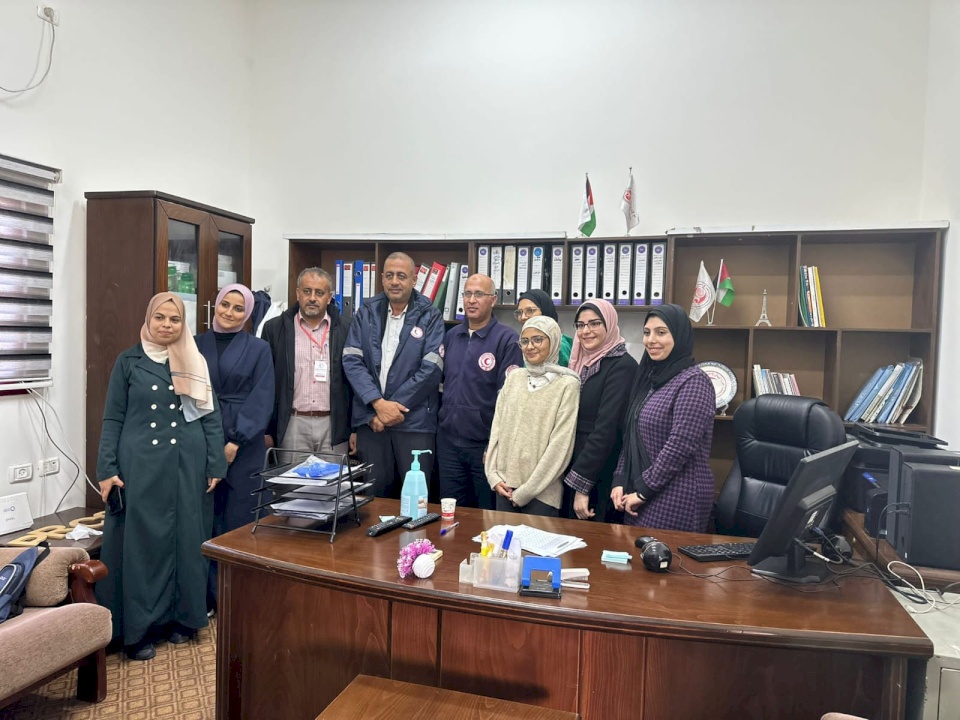
SadaNews - A medical team from the Palestinian Red Crescent hospitals, led by Dr. Raed Abu Sariya, a dermatologist, and with the participation of a group of medical students from Al-Azhar University training with him, successfully conducted a pioneering scientific study on the spread of impetigo and scabies among children in the Gaza Strip, aiming to change the traditional concept surrounding these diseases, showing that they are not merely individual cases, but ailments directly linked to disasters, wars, and displacement conditions.
The study, which lasted more than four months and was published in the global journal Scientific Reports, was approved and indexed on PubMed, one of the most famous and important scientific and medical research engines in the world. It included 1,200 children, of whom 700 were from Palestinian Red Crescent clinics and 500 were in displacement areas. The results showed that 409 children were infected with one of the two diseases, while 791 uninfected children were excluded.
Statistics indicate that the number of children under 18 in Gaza is about 980,000, representing approximately 47% of the population, making these results an important indicator of the health burden on children amid displacement and conflict.
Key Demographic Findings
Among the 409 infected children, 356 (87%) were diagnosed with impetigo, 150 (36.7%) with scabies, and 99 (24.2%) suffered from mixed infections.
The majority of participants (81%) were from Deir al-Balah, while the rest were from al-Nuseirat, Al-Zawiya, Al-Bureij, and Al-Maghazi.
56% of participants were female, and 40% were under the age of four, the group most susceptible to infection.
The displacement rate among the participants was 91%, and their living conditions were highly overcrowded, with more than 10 individuals sharing the same housing in 61% of the cases.
Access to clean water is limited, with only 44% able to consistently obtain clean water, and 28% having access to soap and cleaning supplies regularly, while daily bathing was rare, with only 17% doing so.
These results confirm that the conditions of displacement, overcrowding, and lack of clean water are key factors in the spread of these diseases, reflecting the nature of diseases linked to disasters and wars rather than just ordinary ailments.
The Significant Role of the Palestinian Red Crescent
This scientific study emphasizes the vital role of the Palestinian Red Crescent, not only in providing emergency and medical care to affected children but also in contributing to global scientific research that illustrates the health challenges in Gaza and proposes practical solutions to mitigate the impact of displacement and crises on children.
The Palestinian Red Crescent continues its efforts on the ground at the front lines, supplying children with medicine, clean water, and preventive support, reaffirming that its work extends from emergency aid to formulating evidence-based health policies and protecting the most vulnerable generations in Gaza.
 Follow the latest Sada News via Google News
مركز كارتر يصدر تقريره النهائي بشأن الانتخابات البلدية في الأراضي الفلسطينية المحتلة التي...

Al-Sharqawi from Geneva: Protecting the special status of Jerusalem requires greater coord...

Lt. General Al-Natsha Undergoes Lengthy Interrogation at Moskobiya Regarding His Represent...

The Occupation Demolishes a House in the Town of Sa'ir near Hebron

Sheikh Offers Condolences for the Martyrdom of Citizens in Deir Jareer

Ministry of Labor Calls for Registration in Licensed Private Vocational Training Centers a...

Occupation Forces Storm the Home of Major General Bilal Al-Natsheh in Jerusalem
