

Asia Prepares for Worst Energy Scenarios as Iran War Continues
SadaNews - Governments across Asia are preparing for the worst energy scenarios, which could include lengthy and severe supply disruptions, even as the United States works on a plan to end the war in Iran.
South Korea entered a state of alert on Wednesday, establishing an emergency economic task force to urgently prepare for adverse scenarios. The Philippines also declared a national emergency, citing a "looming threat of a sharp decline in energy supplies."
Japan is reviewing its entire supply chain for oil-related products, with rising prospects of shortages and cascading effects on the economy, while Indian Prime Minister Narendra Modi warned that the war could pose unprecedented challenges for the country.
Chris Kent, Assistant Governor of the Reserve Bank of Australia, stated in a speech on Thursday in Sydney that the conflict in the Middle East and the shock related to energy supplies could lead to increased inflationary pressures in Australia.
He added, "The longer the conflict endures, the greater the economic impact, and the higher the risk of a substantial repricing of assets."
Asia Under Pressure from Energy Crisis
In less than a month since the onset of the conflict in the Middle East, countries have moved into emergency mode, highlighting the importance of the Strait of Hormuz for global energy flows.
This waterway, which is approximately 100 miles long, carries a quarter of the world's seaborne oil trade, along with a range of other goods, a significant portion of which is headed to Asia. Iran is situated on one side of the strait and has effectively closed navigation through it to all ships except those authorized.
Rising concerns in Asia are heightening market tensions, at a time when U.S. President Donald Trump is seeking to initiate talks with Iran to end the war. Stocks rose and oil prices fell on Wednesday, but oil returned to increase while U.S. stock futures declined on Thursday at the start of Asian trading, amid ongoing uncertainty.
Many Asian countries rely on the Middle East to secure the majority of their oil needs, while reserves are beginning to dwindle.
Singapore's Foreign Minister Vivian Balakrishnan stated on Monday, "Currently, the closure of the Strait of Hormuz represents, to some extent, an Asian crisis." He added, "This vulnerability is known, but it has never been tested to this extent before."
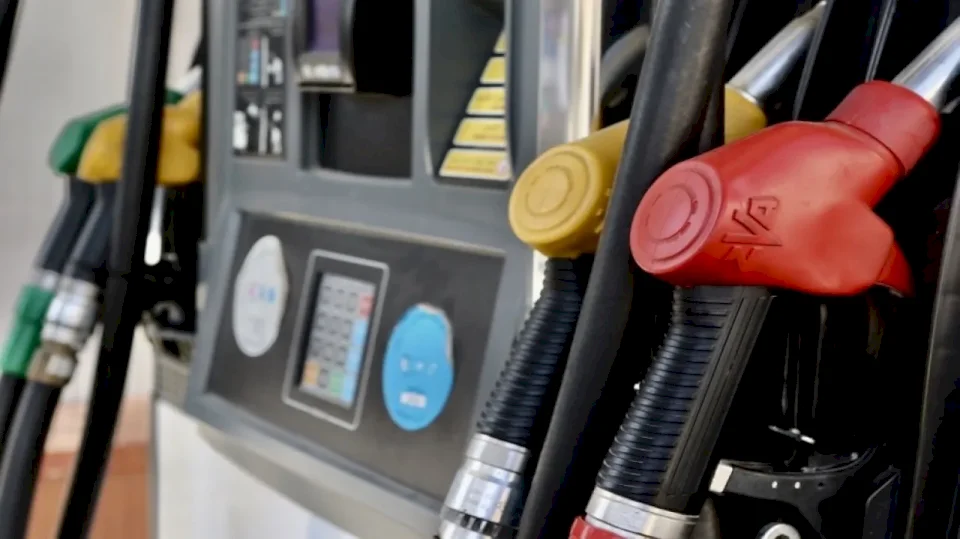
The shortages are already noticeable across Asia, with reduced working weeks, street lights being turned off, and gas stations being forced to close.
In Pakistan, cricket fans were advised to stay home and watch matches on television to save fuel. The country is also planning to impose fuel rations on vehicles, according to sources who requested anonymity as the information is not public.
In parts of Bangladesh, drivers are waiting for hours to refuel, with queues stretching a kilometer long. Authorities have also halted production in most fertilizer plants and are urgently seeking multilateral loans of $2 billion to secure enough energy to meet high demand during the summer.
Wider Economic Repercussions and a Return to Protectionism
Peter Mumford, head of Southeast Asia at Eurasia Group, stated, "The region is highly exposed to the risks of conflict and global energy price shocks." He added, "Concerns are rising over secondary and tertiary economic impacts, including flight cancellations, disrupted fishing operations, and negative effects on tourism."
The race to secure oil and other essential supplies has led to a return of protectionist tendencies. China has limited fertilizer shipments abroad, while Indonesia has announced it will impose an export tax on coal and nickel. Vietnam is also prioritizing its local refineries to process crude oil.
These measures could backfire. A World Bank study on food shortages in the mid-2000s showed that a significant portion of the rise in global prices for commodities such as rice and wheat was due to trade barriers imposed to retain crops for local populations.
Some countries are turning to suppliers they previously avoided. Indian refineries have purchased around 60 million barrels of Russian oil for delivery next month, according to Bloomberg on Wednesday, after sharply reducing their purchases earlier this year under U.S. pressure.
The limited quantities that countries can secure are likely to come at a much higher cost than anticipated. While New Delhi bought oil at discounts after the beginning of the Russian war on Ukraine in 2022, recent shipments have been booked at premiums of $5 to $15 per barrel above Brent prices.
Indonesia, which had set a benchmark oil price of $70 per barrel for this year, stated that it will seek to save $7 billion to offset the rapid increase in fuel subsidy bills. Thailand also lifted the price ceiling on diesel on Wednesday after spending $32 million daily to artificially keep prices low.
COVID-like Scenarios
The energy crisis is also altering geopolitical calculations, as Manila has expressed readiness to work with Beijing on oil and gas explorations in a disputed area in the South China Sea.
In India, Prime Minister Modi stated that the country needs to prepare for the current situation similarly to how it did during the COVID pandemic five years ago.
That crisis may provide a model to follow in the event of severe shortages. Barclays noted in a report on Wednesday that "debt servicing was suspended, financial rules were eased, and money was printed, providing a ready precedent for such a scenario."
Although a severe shortage is not the baseline scenario, the firm warned that the negative impact on economic activity would be "massive" if it occurs.
Economists at Barclays wrote, "Depending on the severity of the crisis, emerging Asian governments may resort to policies similar to those followed during the pandemic, and might even impose economic activity restrictions at the level of lockdowns." They added, "People might be asked to stay home, and entire industries could be shut down, for instance."
 Follow the latest Sada News via Google News
The World Bank Warns: "The Worst-Case Scenario" for Global Growth is Approaching

Trump Prepares to Impose New Tariffs on Dozens of Economies

Gold Surpasses $4,100 as Selling Pressure Eases

Oil Rises for the Fourth Day as Supply Risks Escalate

An Additional $8 Billion.. A New Account from the Pentagon on the Cost of the War with Ira...

London Stock Exchange Enters the Era of 24/7 Trading

Shamaran Petroleum: Suspension of Oil Production in Duhok Fields in the Kurdistan Region o...
