
Strait of Hormuz.. Iran Allows Passage for "Friendly Countries" and Bahrain Calls to Protect It
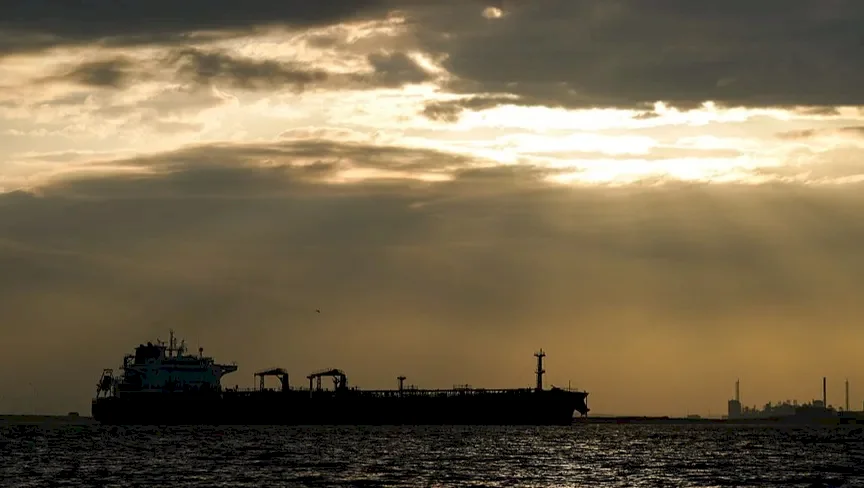
SadaNews - The Strait of Hormuz is witnessing a rapid transformation from an open corridor to a selective transit channel, where Iran imposes security and commercial conditions on ships, amid increasing international efforts to ensure the freedom of navigation, in light of widespread disruptions to global energy flows.
This report highlights the key developments that have occurred in the strait over the past 24 hours, as part of the "Hormuz Observatory" series from "Bloomberg Asharq," which daily monitors developments in the strait and their impact on markets and global supply chains.
Iran's Conditions for Crossing the Strait
Iran has requested that ships wishing to cross the Strait of Hormuz under its protection provide detailed information about their crew members, cargoes, travel routes, and shipping documents, in order to obtain prior approval from the Revolutionary Guard.
Additionally, Iran has begun imposing unofficial fees on some ships passing through the strait, which could reach around two million dollars per trip, collected selectively without a public framework, reflecting the use of the strait as a leverage in global energy trade.
The implementation of this measure varies among ships, but it reflects an increasing trend towards establishing a quasi-official control over the vital waterway. They noted that some ships, especially oil and gas tankers or ships carrying high-value cargoes, have been asked to pay fees through intermediaries, according to "Bloomberg."
Selective Passage of Ships in Hormuz
Developments also indicate that Iran is adopting a calculated strategy in the Strait of Hormuz, relying on allowing selective passage of ships as a tool to send strategic signals, rather than imposing a complete disruption of navigation, according to a tweet published by the ship tracking site "MarineTraffic" through its page on "X."
"Reuters" reported that an oil tanker owned by the Thai company "Bangchak" successfully crossed the Strait of Hormuz on Monday, following diplomatic coordination between Bangkok and Tehran.
Thai Foreign Minister Settha Thavisin explained that Iran requested the names of ships wishing to cross, while the company indicated that the tanker had been anchored in the Arabian Gulf since March 11 before resuming its return trip to Thailand, confirming no fees were paid for the passage. Another tanker belonging to "SCG Chemicals" is awaiting similar approval.
This incident reflects a limited pattern of passage relying on direct government coordination, allowing the passage of some ships unrelated to the conflict parties, while navigation remains far from normal levels.
India Continues to Pass Limited Tankers
In related context, India has started rearranging its supplies of liquefied petroleum gas by loading shipments onto its vessels stranded in the Gulf, numbering 24 ships, including 8 LPG carriers, 4 crude oil tankers, and one LNG carrier, according to "Reuters."
Ships "Shivalik" and "Nanda" have already reached Indian ports, while "Jag Vasant" and "Pine Gas" are expected to arrive on March 26 and 27, according to "Reuters" data.
Iran Allows Passage for "Friendly" Ships
At the same time, Iran informed the Security Council and the International Maritime Organization that it will only allow the passage of "friendly" ships, provided they coordinate in advance with its authorities, according to "Reuters."
Tehran clarified that ships associated with the United States or Israel, or any parties involved in military operations, will not be allowed to pass, while escalating hostility has led to a near-total disruption of around one-fifth of global oil and LNG supplies through the strait. "Reuters" noted that this memo was circulated within the London-based International Maritime Organization, which includes 176 member states, with the "Financial Times" being the first to reveal its circulation.
Bahrain Proposes Hormuz Protection Project
According to "Reuters" and "Associated Press," Bahrain has proposed a draft resolution within the Security Council calling on countries to protect navigation in the Strait of Hormuz.
The Bahraini draft text empowers countries, either individually or through voluntary multinational maritime alliances, to use "all necessary means" in the Strait of Hormuz and its surroundings, including the territorial waters of the coastal states, to ensure safe passage and prevent any activities that disrupt or affect international navigation.
Hormuz Payments Strengthen the Chinese Yuan
The implications of selective passage in the strait have also extended to the global financial system, as "Deutsche Bank" believes that the conflict may accelerate the erosion of the U.S. dollar's dominance in oil trade in favor of the Chinese yuan, due to the fees imposed by Iran on ships and tankers in yuan to allow passage through the strait.
This comes as the disruption of global energy supplies through the strait is leading to rising commodity prices, opening the door to a partial reshaping of pricing and payment rules in global energy markets during and possibly after the war, according to the investment bank.
 Follow the latest Sada News via Google News
London Stock Exchange Enters the Era of 24/7 Trading

Shamaran Petroleum: Suspension of Oil Production in Duhok Fields in the Kurdistan Region o...

Dollar Steadies Near One-Week High Amid War Developments

Trump Imposes Tariffs on Canadian Imports... Ottawa Vows to Respond

Oil Prices Drop After Reports of Mediation Efforts Between the U.S. and Iran

Gold Price Rises Supported by Increased Buying Amid Lower Prices

Due to "Hazardous and Counterfeit Products".. Europe Fines "AliExpress" $627 Million
