

G7 Discusses Releasing Oil from Emergency Reserves
SadaNews - The G7 finance ministers plan to discuss the possibility of a joint release of oil from emergency reserves, coordinated by the International Energy Agency, during an emergency meeting today, Monday, to address the rise in oil prices following the conflict in the Gulf, according to the "Financial Times."
The newspaper reported, citing informed sources including a senior official from the G7, that the ministers, accompanied by Fatih Birol, the executive director of the International Energy Agency, are scheduled to make a call at 8:30 AM New York time to discuss the implications of the Iranian war.
Oil Approaches $120
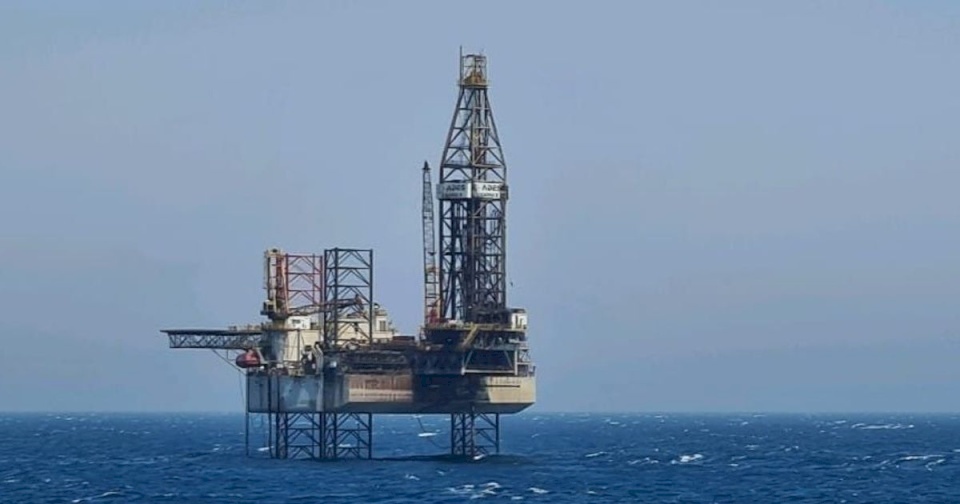
Oil prices recorded strong gains at the beginning of the trading week, approaching $120 per barrel, as more major producers in the Middle East reduced production, while the Strait of Hormuz remained nearly closed, and the United States threatened to expand the conflict which shook the energy markets.
Brent crude surged about 29% to reach $119.5 per barrel, marking the largest daily movement since April 2020, while West Texas Intermediate contracts rose by 31%.
The Iranian war has caused unprecedented disruptions in markets, raised crude prices, and prompted major producers to cut production as storage facilities filled up.
Kuwait and the UAE have begun cutting production as oil reserves filled up quickly due to the closure of the Hormuz Strait. Iraq began reducing output last week.
A Political Gamble for President Trump
The rising prices present a political gamble for U.S. President Donald Trump, as they affect fuel prices domestically, a sensitive issue ahead of the midterm elections, at a time when he is experiencing a decline in approval ratings due to his administration's handling of the economy.
The "American Automobile Association" reported that the national average price of regular gasoline reached $3.41 per gallon on Saturday, the highest level recorded during Trump's presidency. This is a significant increase compared to the price of $2.98 just a week earlier.
Trump and several officials from his administration downplayed the significance of rising oil prices. The president reiterated in a post on Monday that prices "will drop sharply in the near term."
He stated that "oil prices will decrease quickly once the Iranian nuclear threat is over," indicating that "the short-term increase in prices is a small price to pay for our country.".
For his part, U.S. Energy Secretary Chris Wright said on Sunday that the oil market is currently pricing in a fear premium that will not last.
U.S. Efforts to Curb Rising Prices
Washington has proposed steps to curb rising oil prices, including drawing from the strategic oil reserve, or even intervening in futures markets, although officials later downplayed the significance of these ideas.
The "Financial Times" added that three members of the G7, including the United States, have so far expressed their support for the idea of releasing oil from the reserve, according to individuals familiar with the negotiations. The group includes, in addition to the United States, Canada, France, Germany, Italy, Japan, and the United Kingdom.
One informed source explained that U.S. officials believe it would be appropriate to release between 300 million to 400 million barrels, representing 25% to 30% of the total reserve of 1.2 billion barrels.
 Follow the latest Sada News via Google News
Dollar Steadies Near One-Week High Amid War Developments

Trump Imposes Tariffs on Canadian Imports... Ottawa Vows to Respond

Oil Prices Drop After Reports of Mediation Efforts Between the U.S. and Iran

Gold Price Rises Supported by Increased Buying Amid Lower Prices

Due to "Hazardous and Counterfeit Products".. Europe Fines "AliExpress" $627 Million

Gasoline Prices Exceed $4 Again in America Amid Resumed War

What was the financial reward for Spain after winning the World Cup?
