

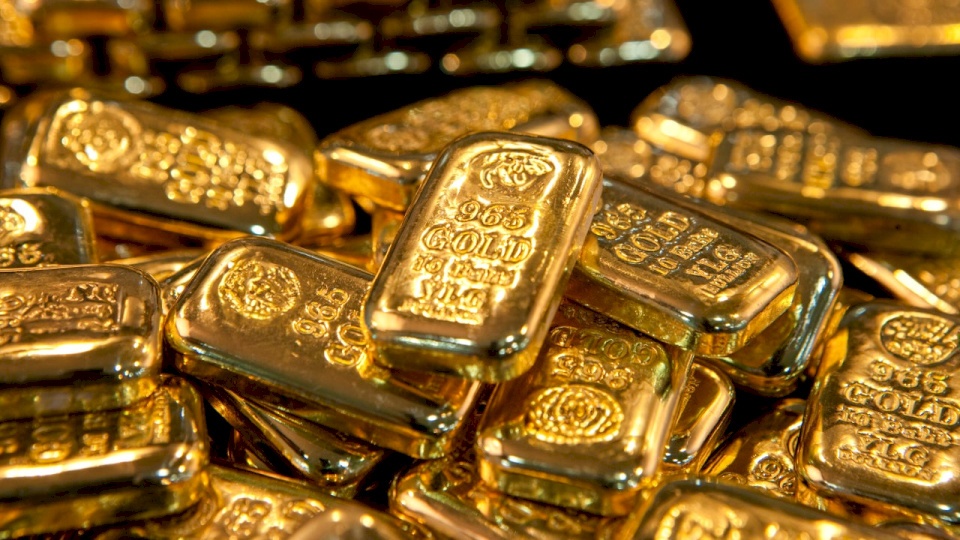
Gold Maintains a Foothold Above $5,100 Amidst the War
SadaNews - Gold rose, recouping some of the losses incurred in the previous session, as buyers entered the market at lower prices in a risk-filled environment, on the fifth day of the war in the Middle East.
The precious metal climbed by as much as 2%, regaining some gains after a four-day rally ended on Tuesday.
Traders are balancing the risk premium associated with gold against the strength of the dollar, as the index for the U.S. currency rose by 1.4% this week. Bond yields also advanced, while a surge in energy prices heightened concerns about widespread inflationary risks.
This prompted traders to cut back on their bets for monetary policy easing, while broad selling in stock markets on Tuesday forced some investors to liquidate positions to meet margin coverage requests in other parts of their portfolios.
Peter Kinsella, Head of Global Foreign Exchange Strategy at Union Bancaire Privee, stated that the gold market is experiencing a traditional movement of "risk reduction in investment portfolios." He added: "This aligns perfectly with what we have seen in previous conflicts."
In a sign of a sharp decline in bullish bets, the net long positions of money managers in gold have dropped since late January to near their lowest level in a decade, according to data from the U.S. Commodity Futures Trading Commission. Kinsella mentioned that this relatively low level "will limit the extent of any potential downturn" in gold.
Gold Rises Driven by Geopolitical Tensions
The precious metal has increased by about one-fifth since the beginning of the year, after reaching a record level exceeding $5,595 per ounce in late January, supported by demand resulting from ongoing geopolitical and trade tensions, as well as concerns about the independence of the U.S. Federal Reserve.
Markets remain on alert as the repercussions of the U.S.-Israeli war on Iran continue across the region. Israel bombarded Tehran with a new wave of strikes on Tuesday and targeted a building in Qom where Iranian clerics were meeting to select a successor to Supreme Leader Ali Khamenei, according to Israeli channel Kan News.
The semi-official Iranian agency Mehr reported that the building was attacked but was not in use at that time.
Kinsella remarked: "I believe we will certainly see a recovery in gold," adding that the long-term driving factors remain unchanged. He also mentioned that "an inconclusive result from the war will highlight the ongoing geopolitical risks more than before."
Inflation and Interest Rates Limit Gains
However, inflation risks arising from soaring energy prices may limit gold gains, as the Federal Reserve and its global counterparts may be forced to keep interest rates stable for a longer period or even raise them.
Traders have priced in an 80% chance of the Federal Reserve cutting interest rates by more than a quarter of a percentage point at least once this year, after they had fully priced in two interest rate cuts as of last Friday. High borrowing costs are a negative factor for non-yielding precious metals.
In an attempt to avoid a potential energy crisis, U.S. President Donald Trump stated that the United States will provide naval escorts and insurance guarantees to ensure the safe passage of oil tankers and other ships through the Strait of Hormuz.
Navigation through this strategic passage, which carries about one-fifth of the world's oil and gas, has largely stopped due to the war.
Gold prices in spot transactions climbed by 1.7% to $5,172.78 per ounce at 10:42 AM in Singapore. Silver also rose by 3.3% to $84.73 after having fallen by more than 8% in the previous session. Platinum increased by about 3%, while palladium rose by 2%.
 Follow the latest Sada News via Google News
The World Bank Warns: "The Worst-Case Scenario" for Global Growth is Approaching

Trump Prepares to Impose New Tariffs on Dozens of Economies

Gold Surpasses $4,100 as Selling Pressure Eases

Oil Rises for the Fourth Day as Supply Risks Escalate

An Additional $8 Billion.. A New Account from the Pentagon on the Cost of the War with Ira...

London Stock Exchange Enters the Era of 24/7 Trading

Shamaran Petroleum: Suspension of Oil Production in Duhok Fields in the Kurdistan Region o...
