

The Technocrat Committee and the Questions of the Stage: The Need for Political Clarity
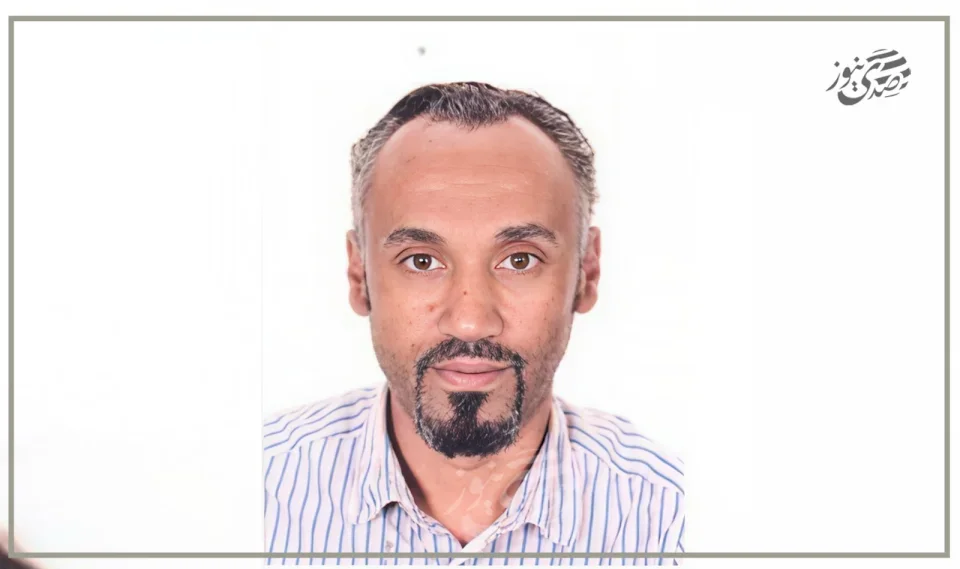
- A writer and journalist specializing in international affairs, and a researcher in issues of justice and armed conflicts.
The current phase in the Gaza Strip is marked by a high level of complexity and sensitivity, necessitating a similar level of clarity and frankness. In this context, a legitimate question arises regarding the announced Technocrat Committee and why the deadline for it to assume its tasks passed without sufficient clarifications for public opinion.
The formation of a professional committee to manage the reconstruction phase assumes the existence of a political and administrative environment that enables it to work effectively. However, the ground reality, with its widespread destruction and unprecedented humanitarian and economic challenges, makes such a task a grave responsibility that requires clear agreements, defined powers, and explicit political support.
The delay in the committee starting its work may be linked to several intertwined factors. On one hand, the complexities related to the security and political arrangements surrounding the Gaza Strip cannot be overlooked, especially in light of discussions about international monitoring mechanisms and conditions related to reconstruction. On the other hand, the nature of the transitional phase requires high levels of coordination among the Palestinian factions, to ensure that no administrative step turns into a new political point of contention.
Furthermore, the scale of the challenges posed—from rebuilding infrastructure, to revitalizing the local economy, to addressing humanitarian conditions—may necessitate a thorough review of work mechanisms and implementation tools, ensuring that any committee is actually capable of performing its tasks within the available spaces.
Alongside this, a broader discussion emerges regarding the characterization of the current phase and the evaluation of its political outcomes. Public opinion looks forward to a clear reading of what has been achieved, what is under achievement, and what is possible in light of the current regional and international data. Describing any phase as an achievement or a pivotal transformation involves an objective explanation of the boundaries of this achievement and its practical implications on the lives of citizens.
The community in Gaza today faces major livelihood challenges, with priorities directed towards stabilization, reconstruction, and improving daily living conditions. Hence, the need for a responsible and transparent political discourse becomes increasingly important, not to assign blame, but to build trust and clarify paths.
The phase requires a degree of courage in presenting the facts, and a level of consensus in managing the upcoming entitlements. Clarity does not weaken the national stance; rather, it strengthens it, granting society the ability to understand the nature of the phase and its requirements.
In conclusion, providing clear answers to the questions of the phase remains a necessary step to enhance public trust and ensure that the management of the upcoming phase is based on solid institutional foundations, taking into account the supreme national interest and responding to the needs of the citizens.
 Follow the latest Sada News via Google News
What Does the Supreme National Interest Mean for Palestinians? And How Can It Be Achieved?

The Wronged Ramallah

Between Pragmatism and Survival Management: Where Does Hamas Go After the Election of Khal...

Khalil Al-Hayya as President of Hamas.. Continuation of the Founders' Approach

The Annihilation of Sportsmanship

Until When Will the Palestinian Citizen Pay the Price of an Endless Phase?

7-10 Billion Shekels.. The Bill for the Absent Worker from Brussels
