

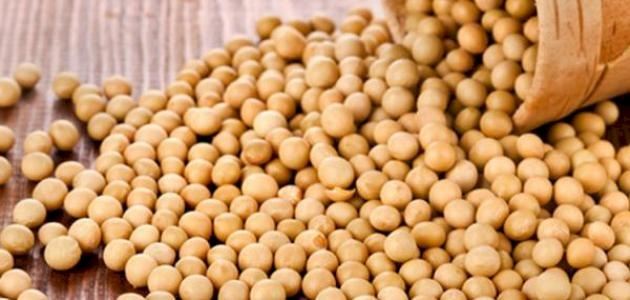
Study: Daily Consumption of Legumes and Soybeans May Reduce the Risk of High Blood Pressure
SadaNews - With the growing interest in heart-healthy diets, many are looking for simple food options that can be integrated into their daily meals and that make a real difference in preventing chronic diseases. Among these options, legumes and soy products stand out as nutrient-rich foods that not only provide nutritional value but also potentially play a role in reducing the risk of high blood pressure.
If you are seeking to adopt a heart-healthy diet, it may be beneficial to add foods such as tofu, edamame (green soybeans), lentils, and various types of beans to your kitchen. Recent research indicates that consuming adequate amounts of these foods may help decrease the risk of high blood pressure, according to the "Verywell Health" website.
The study showed that the greatest benefit to cardiovascular health was recorded among individuals who consumed about three-quarters of a cup of cooked legumes daily, along with a small serving of soy products. This is roughly equivalent to a large side dish of beans, along with about a third of a cup of tofu or a handful of green soybeans.
Eating more beans and tofu may help reduce blood pressure
The study's results suggest that the optimal amount is around 170 grams of legumes daily, along with between 60 and 80 grams of soy products. Adhering to these amounts has been associated with a decrease in the risk of high blood pressure by up to 30 percent.
Although these amounts may appear relatively high, especially when compared to the average legume consumption among adults in the United States, which is estimated at only about 9.3 grams daily, the study showed that participants benefited from some decrease in blood pressure even when consuming less than the targeted amounts.
In this context, Dr. Dagfinn Aune, the lead author of the study and a researcher at Imperial College London, explained that achieving the benefit does not necessarily require reaching the maximum recommended amounts; a positive effect can be observed even with lower consumption levels. Conversely, the study did not show any additional benefits when exceeding the specified optimal amounts.
Fiber, potassium, and phytochemicals... Elements that support heart health
Although the study was not designed to prove the direct cause behind these benefits, researchers speculate that it is due to the rich nutritional profile of these foods.
Legumes and soy products contain a range of beneficial elements, most notably dietary fiber, which not only helps reduce the risk of weight gain and obesity but may also directly affect blood pressure reduction.
Previous research has shown that consuming adequate amounts of fiber is associated with improved blood pressure control. For example, one cup of black beans contains about 14 grams of fiber, which is nearly half of the daily recommended intake for many adults.
Additionally, being overweight is considered one of the factors associated with high blood pressure; as the heart is forced to exert more effort to pump blood throughout the body. Studies have shown that losing about 10 pounds (approximately 4.5 kilograms) can help improve blood pressure levels. Thus, a diet rich in fiber supports weight loss efforts, as these foods take longer to digest, promoting a feeling of fullness and reducing the chances of overeating.
Alongside fiber, legumes and soy products contain important minerals such as potassium and magnesium, which both play a role in regulating blood pressure. Soy products are also characterized by their content of plant isoflavones, which may in turn help lower blood pressure and improve heart health, as noted by Aune.
 Follow the latest Sada News via Google News
After Deschamps' Departure... Zinedine Zidane Tops the Candidates to Lead France

Mbappe Surpasses Messi and Becomes the All-Time Top Scorer in the World Cup

England Defeats France and Achieves Largest World Cup Achievement Since 1966

Messi Refused to Play for Spain and Missed 3 World Cups

Publishers Sue Google for Allegedly Using Books to Train Artificial Intelligence

Google Expands Capabilities of Google Search Console to Support Social Media Accounts

The Mediterranean Table... An Ancient Diet Revealing Its New Secrets for Health and Longev...
