

Foods Containing More Magnesium Than Peanuts
SadaNews - Magnesium is one of the essential minerals the body needs to perform many vital functions; it plays an important role in supporting muscle and nerve function, and contributes to the production of energy within cells. It also helps regulate heartbeats and maintain blood pressure and blood sugar levels, making it a crucial element for overall body health.
Additionally, magnesium is involved in building and strengthening bones and supports nervous system health. It also contributes to reducing stress and muscle spasms. Due to its importance, a deficiency may lead to symptoms such as fatigue, muscle weakness, and sleep disorders, which is why it is recommended to obtain it from various dietary sources within the daily diet.
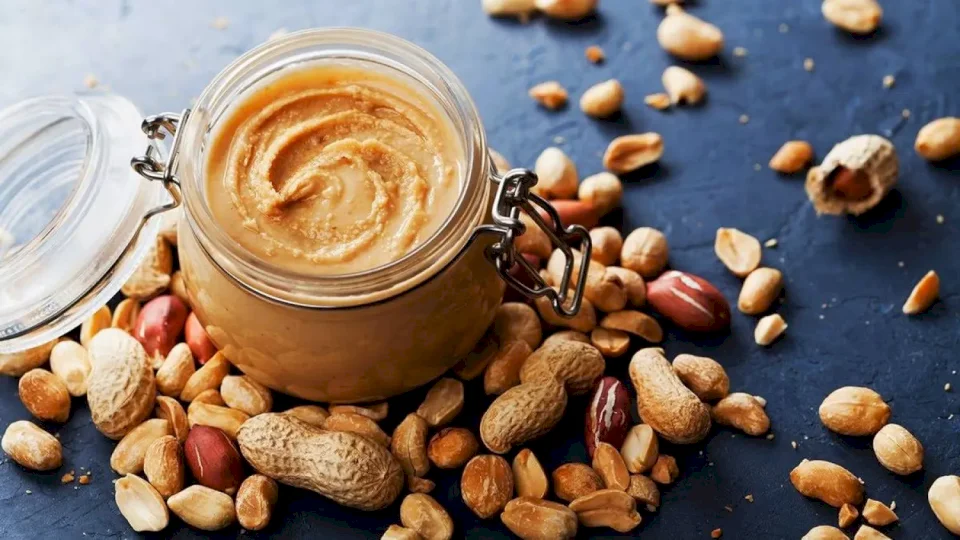
American nutritionist Brittany Doep has revealed a list of foods that contain amounts of magnesium exceeding that of peanuts, even though peanuts are considered a good source of this mineral, according to the health website "Health".
A single serving of peanuts (about 30 grams) provides approximately 54 milligrams of magnesium, which is about 13 percent of the daily requirement, but there are other foods that offer significantly higher amounts.
Leading the list is rice bran, the outer layer of rice grains, which contains about 922 milligrams of magnesium per cup. Although it is often used as animal feed or removed during processing, it is considered one of the richest natural sources of magnesium. It is sometimes utilized in some food products and oils in several Asian countries.
Molasses or blackstrap molasses is another rich source of magnesium; one cup contains about 800 milligrams and is typically used to sweeten baked goods, making it an indirect means of increasing magnesium intake in the diet. Similarly, unsweetened cocoa powder provides over 400 milligrams per cup and is a common ingredient in preparing desserts and beverages.
Whole grains are among the most important plant sources of magnesium, with amounts ranging from 250 to 500 milligrams per uncooked cup. These grains include buckwheat, wheat bran, quinoa, and oats, all of which effectively contribute to enhancing dietary intake of this mineral.
Conversely, some animal sources can also provide good amounts of magnesium, such as seafood and meats, where oysters contain about 302 milligrams per cup, while turkey breast provides about 242 milligrams, and sea snails contain approximately 212 milligrams, making them options that support dietary diversity.
Nuts and seeds are also important sources of magnesium, such as pumpkin seeds, which provide 115 milligrams per serving, and sesame seeds, which contain 78 milligrams, along with almonds and Brazil nuts that offer good quantities of this mineral.
Spinach provides about 79 milligrams per serving, equivalent to approximately 19 percent of the daily requirement, in addition to being one of the most nutrient-rich leafy vegetables.
Incorporating a variety of these foods into the daily diet helps meet the body's magnesium needs naturally and balanced, without relying solely on one food source.
 Follow the latest Sada News via Google News
After Deschamps' Departure... Zinedine Zidane Tops the Candidates to Lead France

Mbappe Surpasses Messi and Becomes the All-Time Top Scorer in the World Cup

England Defeats France and Achieves Largest World Cup Achievement Since 1966

Messi Refused to Play for Spain and Missed 3 World Cups

Publishers Sue Google for Allegedly Using Books to Train Artificial Intelligence

Google Expands Capabilities of Google Search Console to Support Social Media Accounts

The Mediterranean Table... An Ancient Diet Revealing Its New Secrets for Health and Longev...
