

How Can Pilgrims Protect Their Bodies from Dehydration and Heat Stress?
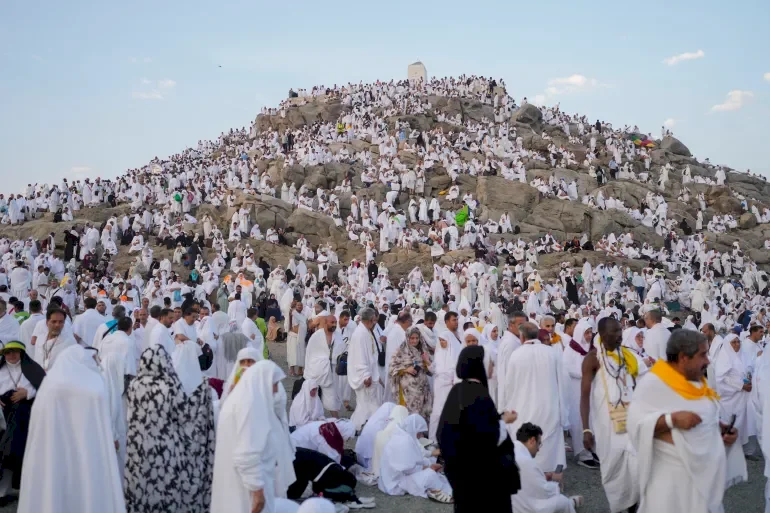
SadaNews - Hajj is a journey that blends spirituality with physical effort. In scenes of Tawaf, Sa'i, and moving between holy sites, pilgrims exert significant physical effort amid high temperatures and continuous crowds, making health awareness an essential part of safely performing rituals.
Doctors warn that dehydration and heat stress are among the most common health issues during the Hajj season, especially among the elderly and patients with chronic diseases, emphasizing that prevention starts with understanding the body's signals before reaching dangerous stages.
Dehydration: The Silent Enemy of Pilgrims
Dehydration is not limited to the feeling of thirst, but is a disorder that occurs when the body loses water and salts at a rate that exceeds its ability to compensate, affecting its vital functions.
During Hajj, the body loses large amounts of fluids due to:
Excessive sweating
Walking long distances
Direct sun exposure
Vomiting or diarrhea
Excessive consumption of stimulants like coffee and energy drinks
Some diuretic medications
Specialists point out that many pilgrims only drink water after feeling thirsty, even though the body may have already entered an early stage of dehydration.
Signs Not to Ignore
Doctors confirm that there are warning symptoms that call for stopping, resting, and quickly replenishing fluids, the most prominent being:
Intense thirst
Dry mouth and lips
Headache
Dizziness and lack of concentration
Sudden fatigue
Decreased urination or dark-colored urine
Rapid heartbeat
As fluid loss continues, essential minerals like sodium, potassium, and magnesium begin to deplete, leading to muscle cramps and disturbances in nerve and heart function.
Experts explain that these minerals play a vital role in regulating nerve electricity, muscle contractions, and heart rhythm, therefore replenishing fluids and salts during Hajj is not a luxury but a necessity to protect the body’s balance.
Heat Stress: When the Body Loses Its Cooling Ability
The body has a precise system for regulating its temperature and maintaining it close to 37 degrees Celsius, through sweating and dilating blood vessels when the temperature rises.
However, with prolonged exposure to the sun, crowds, and continuous movement, what is known as the "thermal load" increases, and the body begins to lose its ability to cool itself gradually, leading to symptoms of heat stress.
Among the most noticeable symptoms are:
Excessive sweating
Headache
Nausea
Increased heartbeat
General weakness
Dizziness
Muscle cramps
Sudden feeling of exhaustion
Doctors warn against ignoring these signals and continuing to walk or expose oneself to the sun, as this may lead to heat stroke, the most severe phase of heat stress.
Heat Stroke: A Medical Emergency
Heat stroke occurs when the body temperature rises dangerously, and the brain and vital organs begin to be affected.
Signs include:
Severe increase in temperature
Altered consciousness or mental confusion
Fainting
Severe rapid heartbeat
Difficulty speaking or loss of balance
Sometimes stopping sweating
At this stage, the affected person needs urgent medical intervention to avoid complications that could threaten life.
The Elderly and Patients with Chronic Diseases: The Most At-Risk Group
The risks of dehydration and heat stress increase among the elderly, as the body’s ability to regulate temperature declines with age, and the sense of thirst weakens.
Patients with diabetes, heart issues, hypertension, kidney problems, and obesity are at greater risk of fluid loss and heat-related complications, especially with the use of some diuretic medications or those affecting fluid balance.
Doctors advise these groups to:
Take regular breaks
Drink water regularly
Avoid direct sunlight exposure
Use protective umbrellas
Stick to medication schedules
Seek medical help immediately upon feeling tired
Smart Hydration: Don’t Wait for Thirst
Health experts emphasize that drinking water during Hajj should be regular and not just linked to feeling thirsty.
It is also recommended to consume foods and fluids that help replenish salts, such as:
Dates
Bananas
Yogurt
Light soups
Experts caution against common mistakes such as:
Drinking large quantities at once and then abstaining for hours
Relying on soft drinks and energy drinks
Reducing water intake for fear of frequent bathroom visits
Doctors stress that caffeine and high sugars may increase fluid loss, while consuming small, frequent amounts of water helps maintain the body's balance.
Rest is Not Weakness
Some pilgrims exhaust themselves thinking that resting reduces rewards, while medical and religious recommendations affirm the importance of gentleness with the body and not overburdening it.
Thus, it is advised to organize physical effort, avoid long walks during the afternoon, and postpone strenuous activities to early morning or after sunset.
Protective sun umbrellas have become one of the most important prevention tools during Hajj, along with light cotton clothing and good ventilation.
Balanced Nutrition: Safe Fuel for the Pilgrim
In hot weather, heavy meals become an extra burden on the body, so it is preferable to:
Eat light, balanced meals
Increase fruit and vegetable intake
Reduce fats and sugars
Avoid overeating
Nutrition experts confirm that moderation in food helps reduce feelings of lethargy and fatigue during movement and transition.
When to Seek Medical Help?
Doctors advise not to hesitate to seek medical care as soon as any of the following symptoms appear:
Difficulty breathing
Chest pain
Fainting
Mental confusion
Continuous vomiting
Severe increase in temperature
Inability to stand or walk
Specialists confirm that early intervention can prevent the development of serious complications related to dehydration and heat strokes.
Source: Al Jazeera
 Follow the latest Sada News via Google News
After Deschamps' Departure... Zinedine Zidane Tops the Candidates to Lead France

Mbappe Surpasses Messi and Becomes the All-Time Top Scorer in the World Cup

England Defeats France and Achieves Largest World Cup Achievement Since 1966

Messi Refused to Play for Spain and Missed 3 World Cups

Publishers Sue Google for Allegedly Using Books to Train Artificial Intelligence

Google Expands Capabilities of Google Search Console to Support Social Media Accounts

The Mediterranean Table... An Ancient Diet Revealing Its New Secrets for Health and Longev...
