

Settlers Burn Vehicles and Homes and Assault Palestinians South of Nablus
SadaNews - The towns of Qusra and Al-Lubn Al-Sharqiya, south of Nablus, witnessed escalating attacks by settlers on Monday morning, including the burning of 4 Palestinian vehicles, two homes, and two tents, as well as assaults on several Palestinians. Meanwhile, the occupation authorities began to pave a settler road east of Tuqu in Bethlehem.
Local and security sources confirmed that settlers attacked the town of Qusra and set fire to a vehicle, leading to its burning. They noted that the village is subjected to repeated daily attacks by settlers.
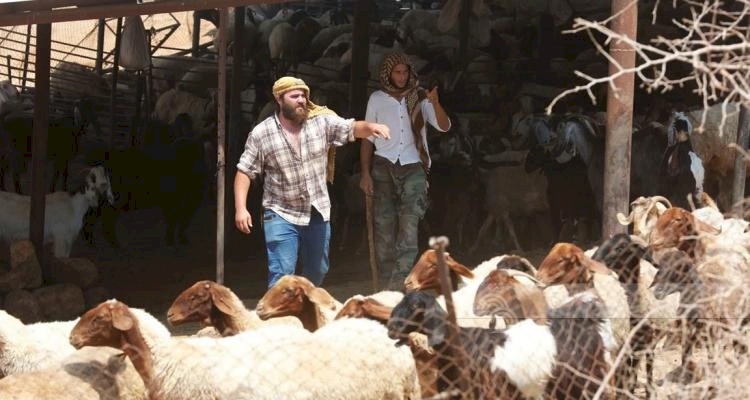
In the town of Al-Lubn Al-Sharqiya, settlers burned a house, two tents, and three vehicles, and assaulted several citizens, with two of them being transferred to the hospital for treatment.
They also attempted to steal heads of sheep from the area located in Wadi Al-Lubn Al-Shamali, according to the head of the town council, Yaqub Owais.
The Bider human rights organization warned that these repeated attacks will increase instability in the region.
Reports indicated that the assaults continued over the past 48 hours in various areas of the occupied West Bank and Jerusalem, focusing on the governorates of Hebron, Ramallah, Nablus, and Jenin.
The Palestine Information Center "Mu'ta" reported that the period extending from March 27 to April 2, 2026, witnessed a significant surge in violations by the occupation forces and settlers, amounting to 1385 violations targeting citizens and their properties.
The Occupation Begins to Pave a Settler Road East of Tuqu South of Bethlehem
Israeli occupation bulldozers began, on Monday morning, to pave a settler road on Palestinian land east of the town of Tuqu, southeast of Bethlehem.
The Bider human rights organization explained that the land leveling works are part of the increased seizure of large areas of land under security pretexts, leading to the loss of thousands of dunams of agricultural land.
The organization affirmed that these actions negatively affect the agricultural and living conditions of the residents and increase the restrictions imposed on land use in the area.
 Follow the latest Sada News via Google News
Sheikh Offers Condolences for the Martyrdom of Citizens in Deir Jareer

Ministry of Labor Calls for Registration in Licensed Private Vocational Training Centers a...

Occupation Forces Storm the Home of Major General Bilal Al-Natsheh in Jerusalem

The Working Group on Palestine of the Permanent Independent Human Rights Commission Issues...

Arrests in Occupation Attacks in the West Bank and Jerusalem

Ramallah and Al-Bireh Forces Mourn Al-Mughayer Martyr and Emphasize Popular Solidarity to...

More than 38,000 travelers crossed through the Karama crossing last week
